2.40:1 Widescreen (16:9)

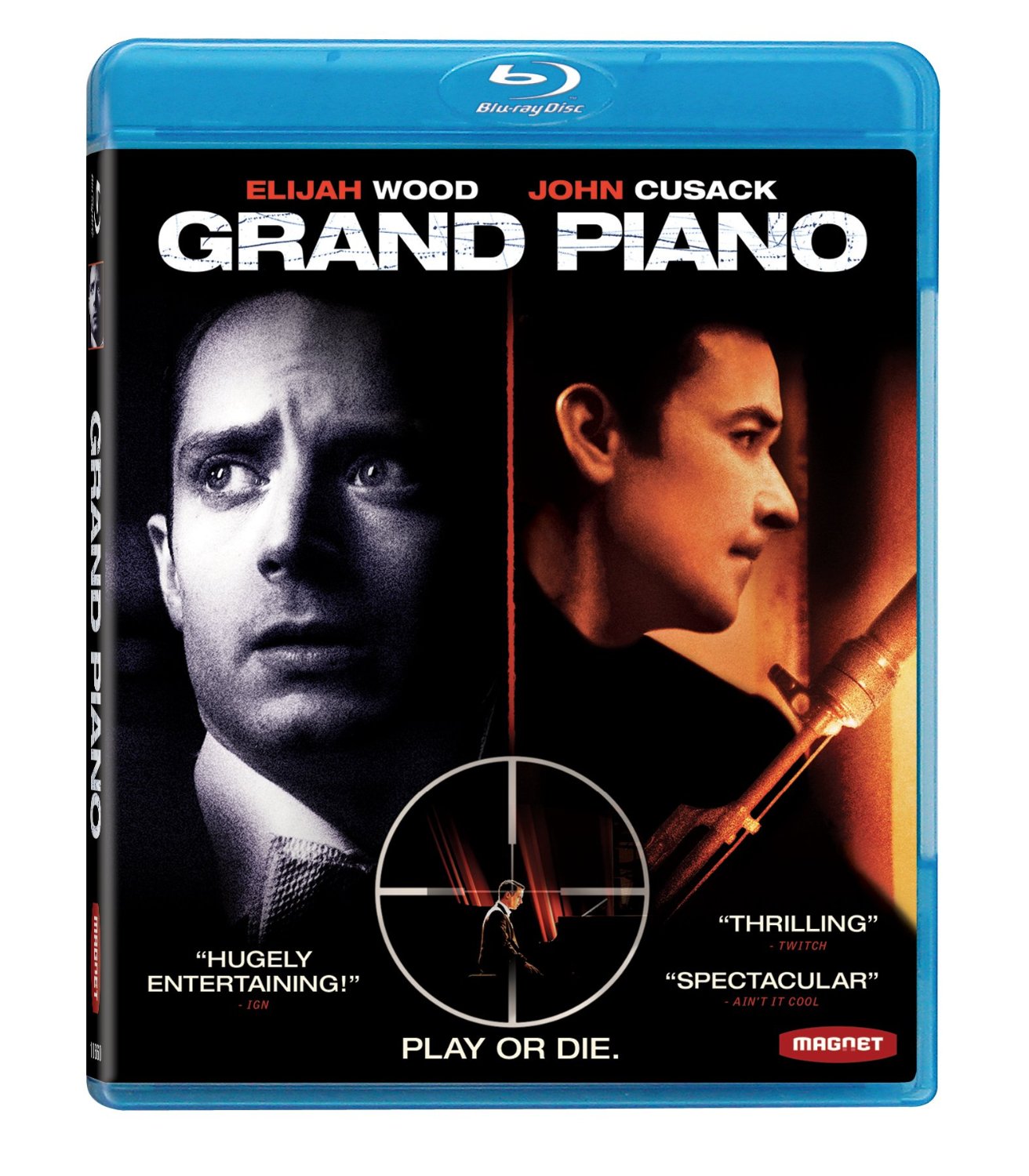
Ever since Elijah Wood completed filming Lord of the Rings, it would seem that he has done everything in his power to not be locked down with the label of simply being Frodo.  From playing a mute psychopath in Sin City, to voice work in Happy Feet, a suicidal pot-head that is best friends with a talking dog in Wilfred, and even the killer role in Maniac, it’s clear that he’s an actor that likes to challenge himself.  With Grand Piano Wood delivers his most dynamic performance as the brilliant concert pianist Tom Selznick who suffers from stage fright.  It’s a film that didn’t see much of a theatrical release but shone in the film festivals it did play at, most notably Fantastic Fest in Austin, Texas.  But it’s not just the performance that sells me on this film; instead, it’s the beautifully shot and constructed thriller that seizes its grip from the opening moments of the film and doesn’t release until the end of its 90-minute-plus running time.

It’s been five years since Tom has performed for the public, ever since his meltdown while trying to perform a piece written by his mentor Patrick Godureaux.  The piece titled, “La Cinquette” is believed to be an unplayable piece and is considered to be Godureaux’s master work.  But it’s on this one night, an event organized by Tom’s wife Emma (Kerry Bishe), a Hollywood socialite who has bloomed into superstardom during Toms retirement; the event has been put together to help Tom recover from his disastrous performance.

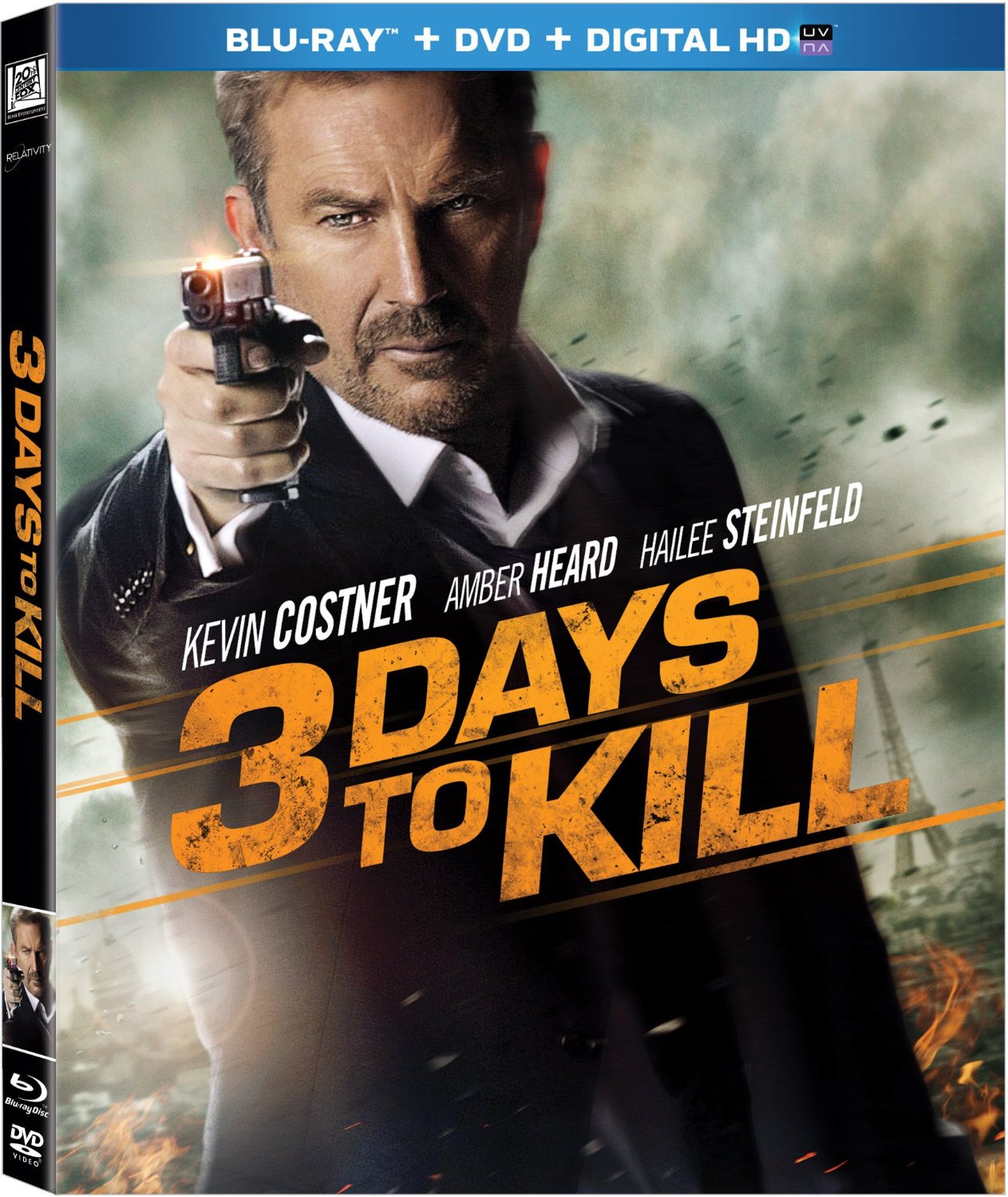
Most action pictures have an aura of super-seriousness, or they are filmed as comedies and everything is meant to be ridiculous. It definitely is a difficult task to mix the two effectively. On some level most action pictures are ridiculous, since most of us will never experience the close proximity to death and danger that is depicted on the screen. Also, life and death are often cheapened with high body counts but little consequence for our hero. In 3 Days To Kill, all sorts of elements are brought to bear in order to reinforce the average everyday family experience and not the lone killer. Early on, a different sort of danger affects our hero. It's not bullets and bombs but a rare disease that is likely to kill him in the very near future. As a spy, he has always neglected family to the extent that his teenage daughter barely knows him. Ethan Renner (Kevin Costner) is intent on changing that.

The film is directed by McG and written by Luc Besson, both filmmakers with impressive credentials, but I'll get back to that later. The real focus is Kevin Costner as an aging and battle-weary veteran CIA agent who is always counted on to take out whatever targets are assigned him. During a particularly explosive encounter in a Serbian hotel, he begins to get dizzy after chasing one surviving member of a gang. He is subsequently hospitalized and told he has maybe six months to live, and thanks for his service. He leaves the hospital determined to reconnect to his wife, Christine (Connie Neilsen), and daughter Zoey (Hailee Steinfeld).

The line between romance and stalking is much blurrier at the movies. Behavior that routinely leads to restraining orders or arrests in real life tends to elicit “awws” from moviegoers and earns the romantic hero a kiss in the end. The Right Kind of Wrong is one of the more egregious examples I can remember, which is a shame because the Canadian romantic comedy has a likable lead and dares to give its characters multiple dimensions.

“Writing and the pursuit of a woman — like any impossible dream — are not about immediate results. They’re about telling the truth.”

"I was cast into being in the winter of 1795 a living corpse with a soul, stitched, jolted, bludgeoned back to life by a madman. Horrified by his creation, he tried to destroy me..."

We all know the story told by the young teen wife of a poet: Mary Shelley. Told to entertain guests on a stormy night, it has become the stuff of legend. Brought to life by Colin Clive's mad scientist in the shape of Boris Karloff in the Universal Golden Age of horror, the monster has had a face. Since that time studios from Hammer to Paramount have left their own marks and scars on the creature that often mistakenly bears the name of his mythic creator. The name of Frankenstein.


It was 2007 when Veronica Mars concluded its three-season run on the CW.  The door was left open for more seasons, and the season three set came with a bonus that showed us the direction things could have gone.  But after one of the most successful Kickstarter campaigns and seven years later, fans of the show will finally get to see their favorite little marshmallow, Veronica Mars, on one last investigation.  I’m going to come out and say it; I was a big fan of the show. The high school noir series was more than just your standard teen melodrama.  Veronica Mars seemed to always evoke the hard-boiled spirit of Raymond Chandler detective yarns, only it boasted a good-looking cast that spit witty dialog and pop culture references.

The film introduces us to a  more mature and refined Veronica (Kristen Bell) who has moved on from being the teenage private eye and is now applying to law firms.  She’s come a long way, (literally across country) and has tried to make a life for herself in New York with her boyfriend Piz (Chris Lowell).  Everything was going as planned until Veronica sees on the news that her old flame, Logan Echolls (Jason Dohring) is under investigation for murdering his girlfriend.  The heart strings are tugged for Veronica, and she hops a plane to travel back home to Neptune and help him out.

There have been complaints that there are not enough films that have decent lead roles for women. There are those that say that Hollywood does not make enough movies for women. Then when they do, critics tend to dismiss them as “Lifetime” movies (a term that is dismissive because of the cable channel that churns out generic movies for women). It seems far easier to accept excessive violence or male-oriented films with sexual content. If a movie tries to legitimately capture real situations from a woman's point of view, it can be patronizingly categorized as pap and schmaltz.

I see an awful lot of movies, and what disappoints me most about many of them is the insincerity of the experience. We get to see a lot of violent movies and a lot of funny movies, and if they seem halfhearted, I shrug it off as the norm. If I see romantic comedies that seem like weak rip-offs of movies made years ago, I assume they just don't know how to make them anymore, but an even rarer commodity is a serious romantic movie that works. Today that usually means it has to be laced with cynicism and anger.

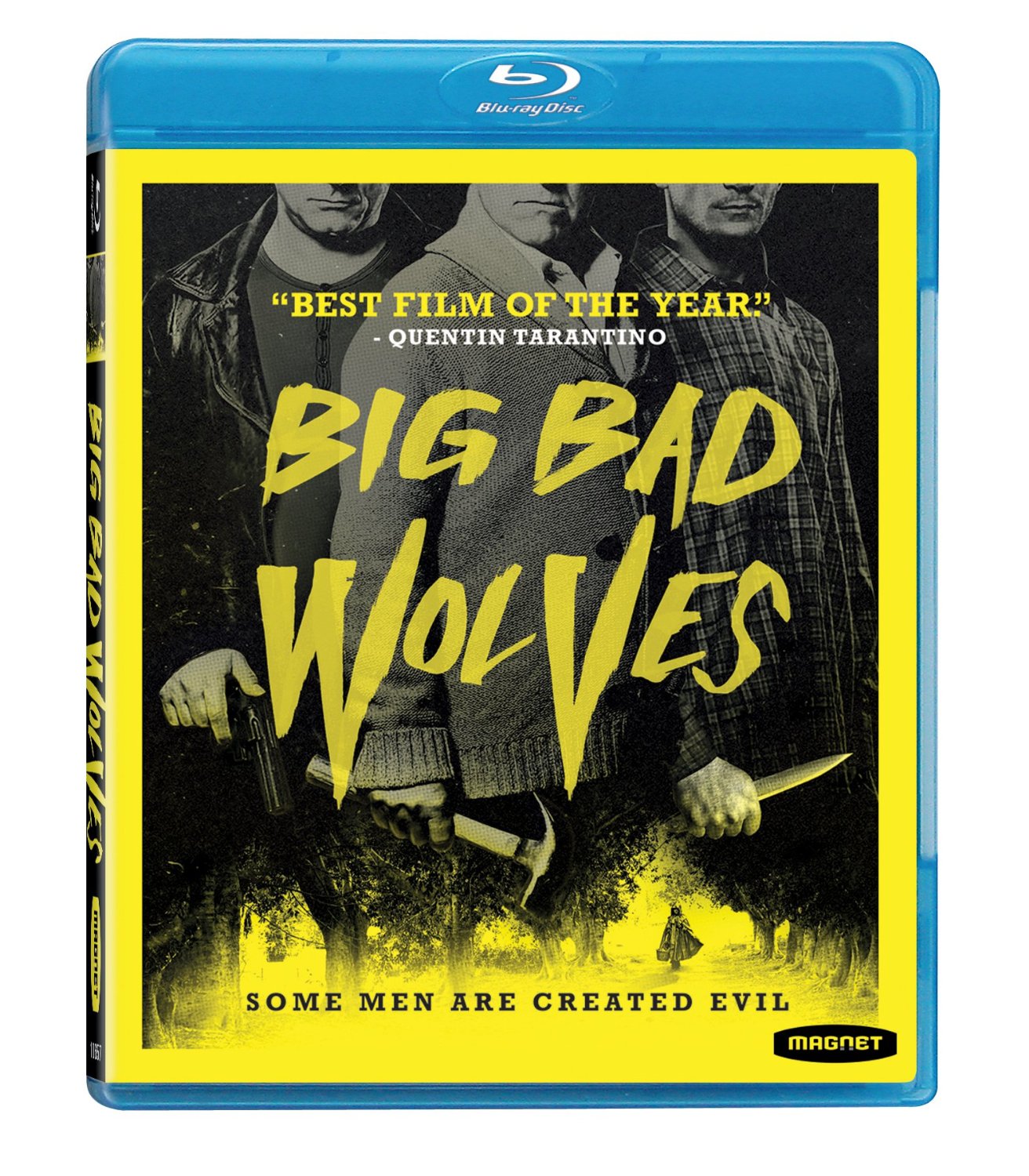
It’s movies like Big Bad Wolves that keep me excited about cinema.  After all, who would guess that Israel would produce this savagely dark fairy tale revenge film that is also one of the darkest comedies I’ve seen in some time with a visual aesthetic you’d expect from a Coen brothers film, but the violence and humor you’d expect from a film by Tarantino.  My first time viewing this film was via On Demand a few months ago; more and more I feel the cable companies are onto something by acquiring these little films and releasing them pay-per-view so that those not in New York and Los Angeles can experience these films before having to wait months longer for their DVD or Blu-ray release.  Now I get the chance to revisit a film that upon my first viewing was a punch to the gut; does it hold its own on its second viewing?  You bet it does.

The film starts up with a group of kids playing a game in the middle of the woods.  While the kids search the property for one of their friends, all they discover is one lone shoe.  Jumping ahead, we meet Micki (Lior Ashkenazi) with a group of fellow vigilantes dragging Dror (Rotem Keinan) into an abandoned building to beat a confession out of him.  Little does anyone know, someone is in the building with them and is filming the brutal interrogation.  Is Dror responsible for the missing girl?  At this point who knows, and anyone could be a suspect.  But when the video hits the internet, opinions are formed, and Dror becomes the focus of scrutiny by his students as well as their families.  After all, this is the time of social media, and we all know it spreads faster than the time it takes for an investigation to be completed.

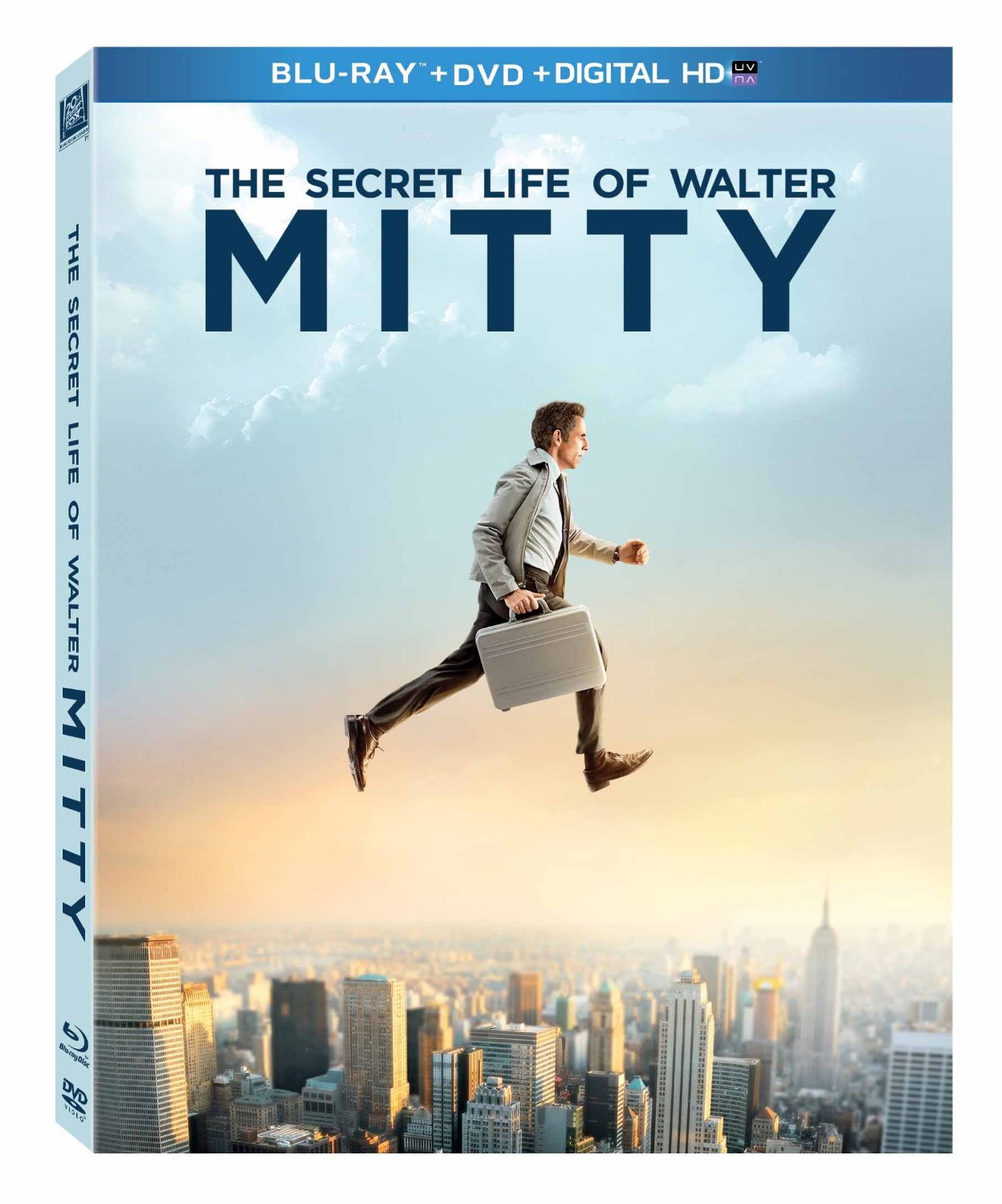
“Have you done anything noteworthy or mentionable?”

It’s the sort of question that can easily apply to either your workday or your life as a whole. It’s also the question actor/producer/director Ben Stiller chose as the basis of his inspirational adaptation of The Secret Life of Walter Mitty. The original short story by James Thurber is less than five pages long, so a filmmaker has the option of going to any number of fascinating places in bringing Thurber’s tale to the big screen. Stiller, in essence, decided to take the scenic route.

“I’d have loved to be a spy, but it’s a dangerous game and it pays s---.”

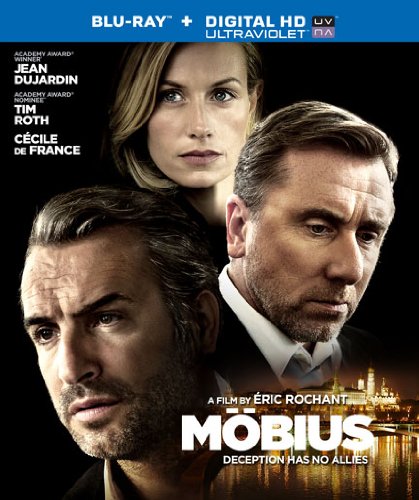
For a lot of moviegoers, the word “spy” evokes tuxedos, gadgets, and exotic accents. Möbius — a French/Russian production from French filmmaker Eric Rochant — only employs the last of those tropes while falling in line with more low-key espionage adventures like Three Days of the Condor and Tinker Tailor Soldier Spy. So I shouldn’t have been surprised that this film gets up to some subterfuge of its own; Möbius is a love story posing as a spy thriller.

"There are dark spirits, old and full of hate...The world is in great danger."

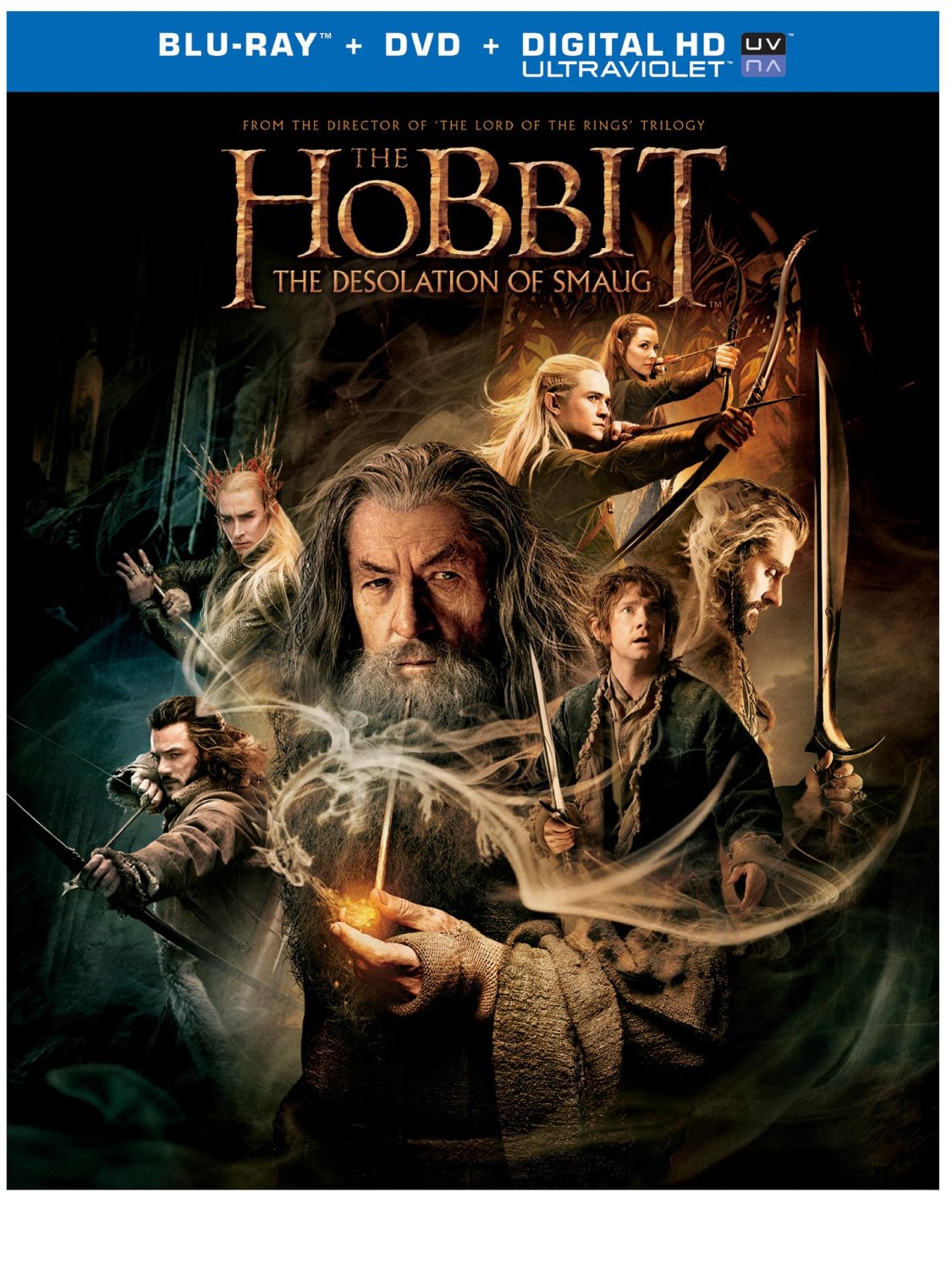
A trilogy is a hard animal to pull off. Even when you have a popular franchise, it is extremely difficult. All of the pieces have to work just right, or you could have a disaster on your hands. It is even harder when you've already beaten the odds once and delivered a trilogy that is both loved and a huge box office success. You run into an almost insurmountable mountain of expectations. Your pieces must somehow fit together so that they can be viewed as one whole product. They also need to match the world and production style of the previous trilogy even though technology has changed quite a bit in the decade that separates the two. Lightning doesn't often strike the same place twice, unless you happen to live in Florida, or, apparently, New Zealand, where Peter Jackson has managed to do the impossible...so far.