2.40:1 Widescreen (16:9)

Gone With The Wind is the most popular film of all time still to this day if you talk about adjusted dollars. The Birth of a Nation was the most popular film of all time for a considerable time prior to that. Both films could be said to have a benign view of slavery and white supremacy, although it would be easy to use much stronger language than that. In most circles, both films have been considerably discredited due to this myopic view. Both films almost completely ignore or disregard the incredible cruelty of using human beings as a commodity for commerce. Even that doesn't begin to address the evil. Slavery continues to subjugate and demean up to 30,000,000 people worldwide to this very day, but it was sanctioned by law in much of the United States until after the Civil War. The horror, indignity and monstrous unfairness of it all cannot be overstated. Those involved in the abolitionist movement prior to the Civil War were driven by a fanatical and fervent desire to expose the abominable hypocrisy that was prevalent. A small core of free men and women of all races risked their lives to fight the abomination.

12 Years a Slave was a book that was written as a true account of the blind evil of the time. It is now a movie by young director Steve McQueen (that's his real name; he is obviously not the dead actor). In Saratoga Springs, a young highly regarded musician has a beautiful family and home. His name is Solomon Northup, and he has a good life. He is intelligent, friendly and eager to make the most of his talents. He is persuaded to assist two entrepreneurs with a venture and travel to Washington, D.C. After much success and celebration he wakes up to find himself in chains, and so begins the 12 years. He is transported on a slave ship and changes hands among owners over those 12 years. He is, after all, property. He is now part of a “peculiar institution”.

"Let me tell you a story."

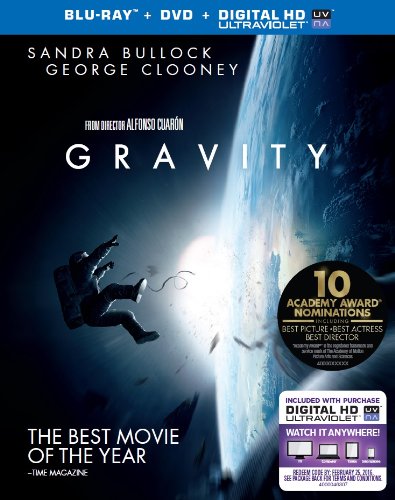
Remember the tagline in Alien? "In space no one can hear you scream." Gravity begins, appropriately enough, with complete silence. We're treated to a rather spectacular view of the Earth from orbit. Eventually chatter begins to intrude upon our revelry. We soon meet the crew of a space shuttle mission to do repair work on the Hubble telescope. We quickly learn that this is the final mission for retiring astronaut Matt Kowalski, played by George Clooney, although I certainly consider it a bad sign when he's told to enjoy his last walk. He's acting as a mentor of sorts to younger astronaut Ryan Stone, played by Sandra Bullock. There are others on the mission, but we're treated to very little time with them. In a short time, they won't really matter.

“A successful breakout depends on three things: Layout, Routine, and Outside Help.”

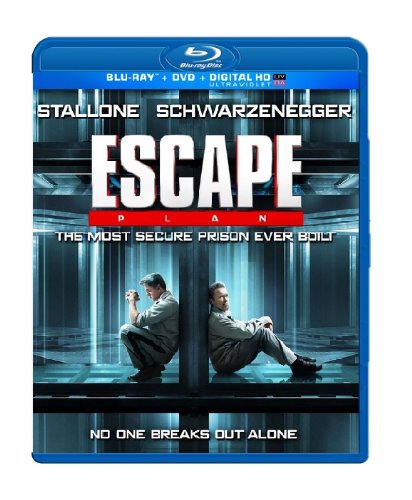
You know, there was a time when the public could only dream of an Arnold Schwarzenegger and Sylvester Stallone team-up. Now thanks to a little film called The Expendables, when it comes to the realm of action star team-ups, anything is possible. Case in point: Escape Plan. When this film was first announced, I figure it would be devoid of any real substance and just another attempt to capitalize on the success of  Expendables (the first one; the second is not that great), but the film surprisingly holds up on its own without having to cling to anything else.

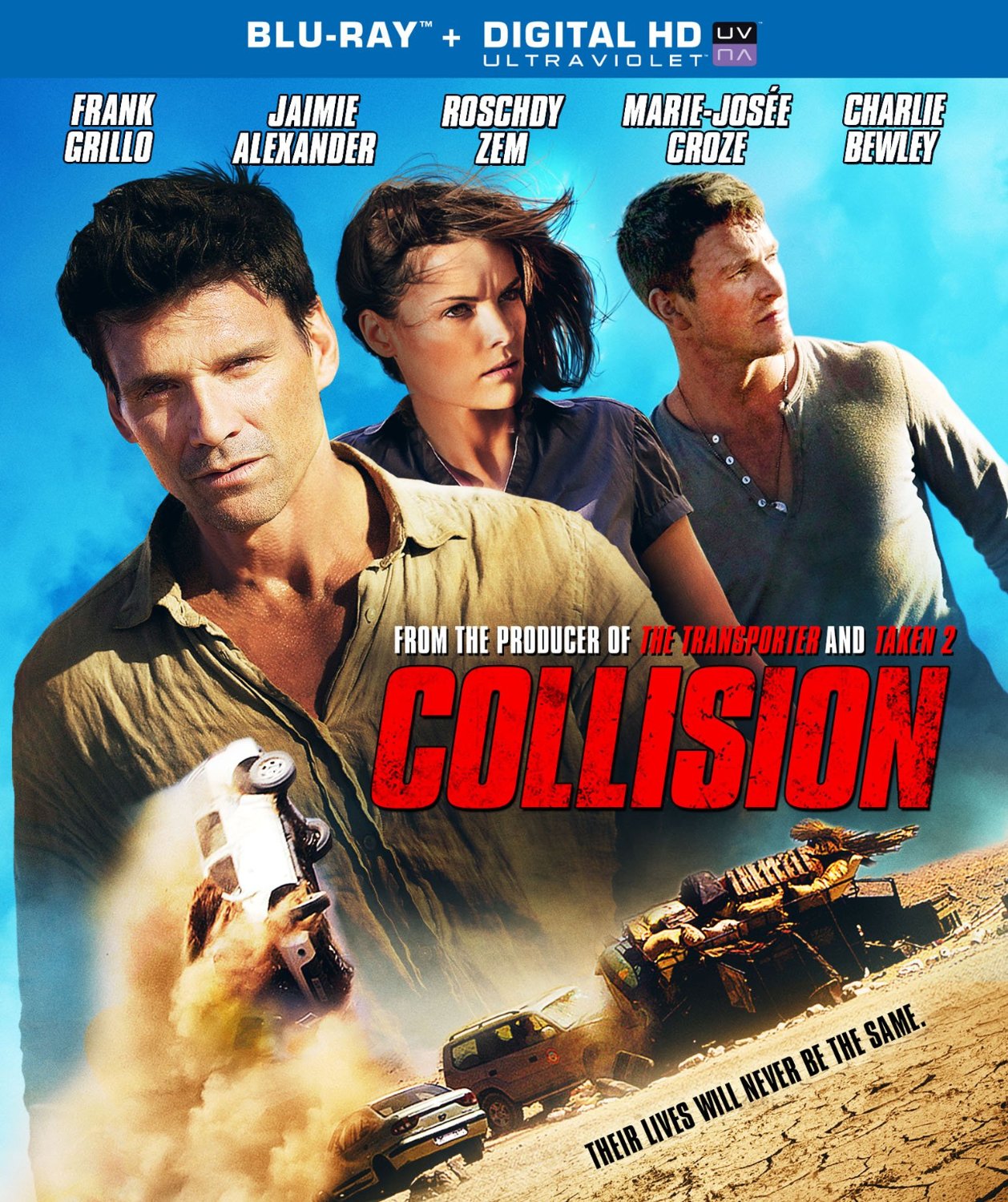
Collision is ostensibly about a honeymooning couple who gets stranded in the desert, and how the harsh, unforgiving terrain shines a light on their many secrets. But the coolest thing about this thriller — besides the spectacularly violent car crash that sets the plot in motion and gives the film its title — is how the story could've been told from any of the marooned characters' perspectives. I just wish writer/director David Marconi hadn't taken the most winding, contrived road possible to arrive at his destination.

This English-language French thriller counts Luc Besson among its producers. Yet instead of touting Leon: The Professional or even The Fifth Element, the Blu-ray case for Collision boasts that it's, “From the producer of The Transporter and Taken 2(?!) And that's how a Blu-ray case can instantly make you feel old.

"My name is Flint Lockwood. My whole life I always wanted to be a great inventor just like my hero. It was like Chester V. was speaking directly to me using the language of science."

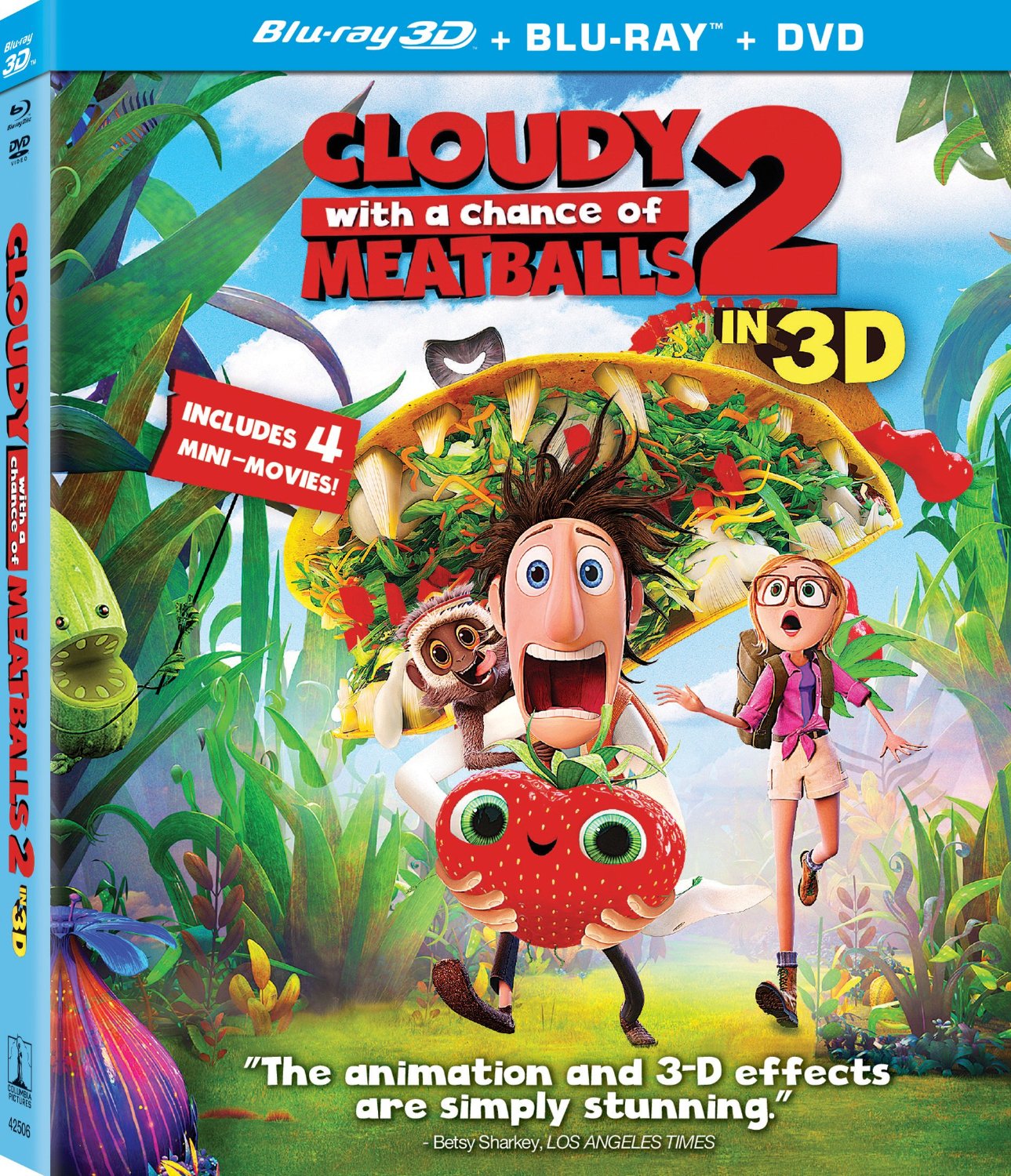
In 2009 Sony Pictures had finally learned to use the language of science when it comes to the world of animation. I'm talking the computer-animated feature film.  Of course, they've been in the game for a while, but it was with the release of Cloudy With A Chance Of Meatballs that this reviewer believes they delivered on the kinds of things that Pixar and Dreamworks have been delivering for quite some time. Cloudy With A Chance Of Meatballs was a pretty big hit with both adults and kids, a combination absolutely essential to creating box office magic with a computer-generated animation feature. Based on the children's book by Judi and Ron Barrett, the film contained incredible charm. It pulled in a modest $135 million at the box office, but the film had pretty good legs on home video. It was pretty much a foregone conclusion there would be another one. But sequels are rarely as good as the original film, and it's even more rare to find one that is actually better than what came before. Consider Cloudy With A Chance Of Meatballs 2 one of those uncommon events. The original was, as I mentioned, charming. It was pretty good. The sequel is better than good. The franchise has a future that is anything but cloudy.

Journalism today is in disarray. I say that not because there aren’t many, many passionate journalists who want to do the best job possible. I say it because there are just many, many, many more bloggers who don’t know how live up to those standards or why it’s even important. The internet changes everything in the music industry, the movie industry, and the media industry. That doesn’t necessarily mean it’s a bad thing. It just means that it’s chaotic, and it often seems like no one is in control. The head of Amazon just bought one of the most venerable papers in the world, The Washington Post. The head of eBay is supposedly organizing a new media venture that will adhere to the strictest journalistic standards. Again, journalism today is in disarray.

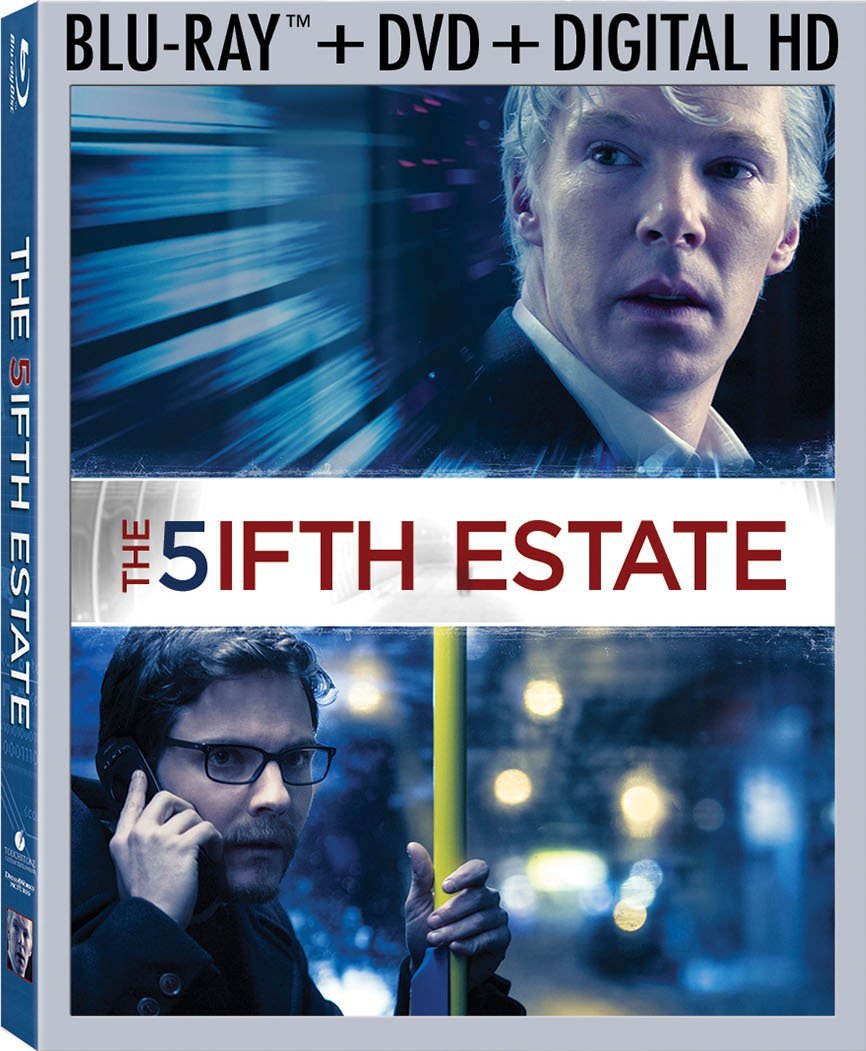
The Fifth Estate is a movie about the frenzy surrounding Wikileaks and Julian Assange. The title suggests there is a successor to the fourth estate, which is the news media (don’t ask about the first three estates since they are church, state and nobility, which may be irrelevant now). I don’t know if anybody knows what a fifth estate is yet, but Wikileaks is a big deal. It is also justifiably considered to be extremely controversial. Wikileaks is an international online organization that claims to protect the identity of any whistleblower trying to reveal classified and secret information with the hope of undermining worldwide corruption. I’ve seen the documentary We Steal Secrets: The Story of Wikileaks and was able to compare that to The Fifth Estate. They are quite different, but in small ways that can add up to a lot.

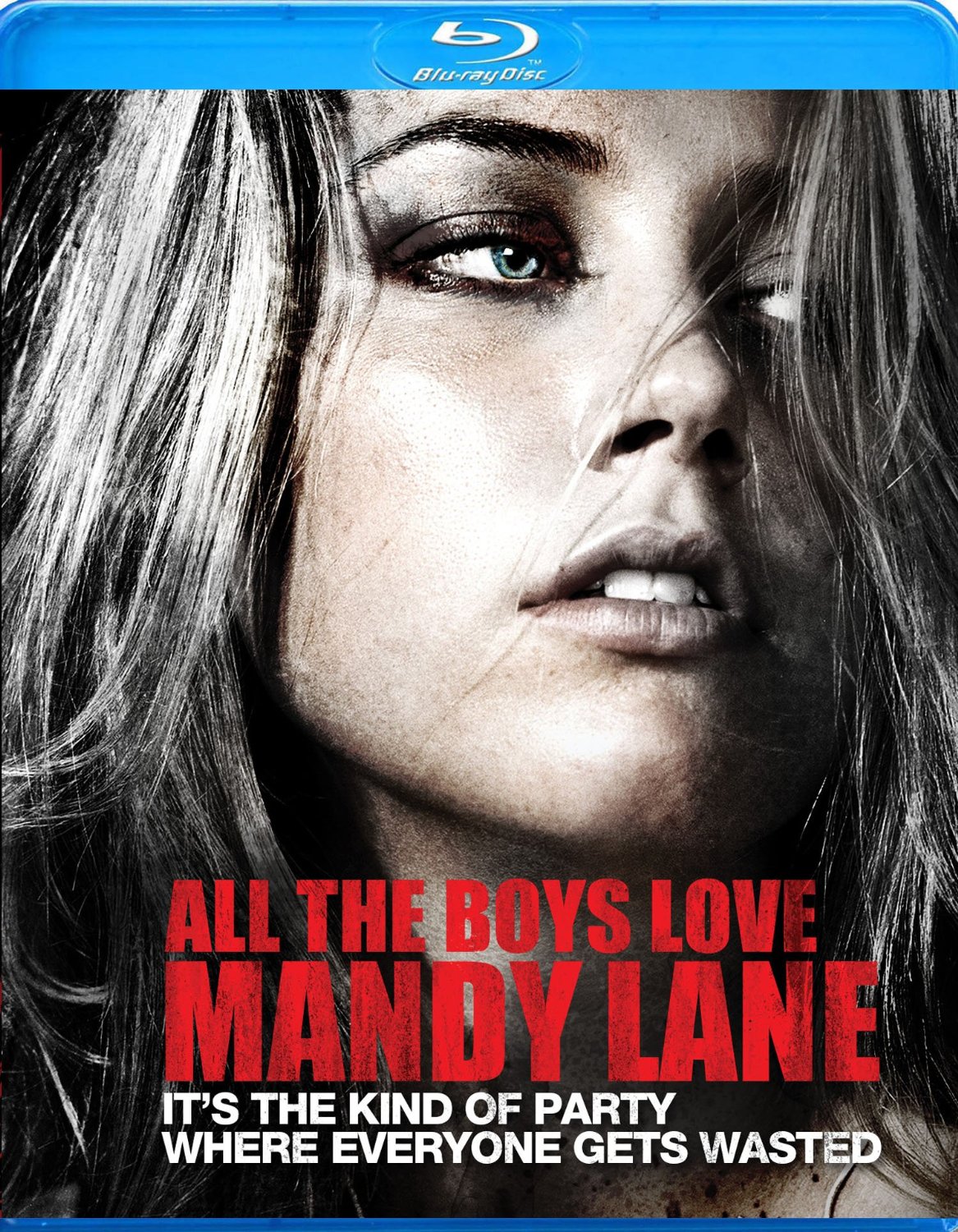
“There she is boys…Mandy Lane. Untouched. Pure. Since the dawn of junior year, men have tried to possess her and, to date, all have failed.

With its deep-red title card and the blood-curdling scream that opens the film, All the Boys Love Mandy Lane is very clearly a horror flick from its first frame. However, the movie displayed its greatest potential — a lot of which it squandered — when it seemed less preoccupied with who was going to kill Mandy Lane, and more interested in who was going to deflower her. The result is a promising, pitch black high school satire that eventually gets invaded by a run-of-the-mill horror film.


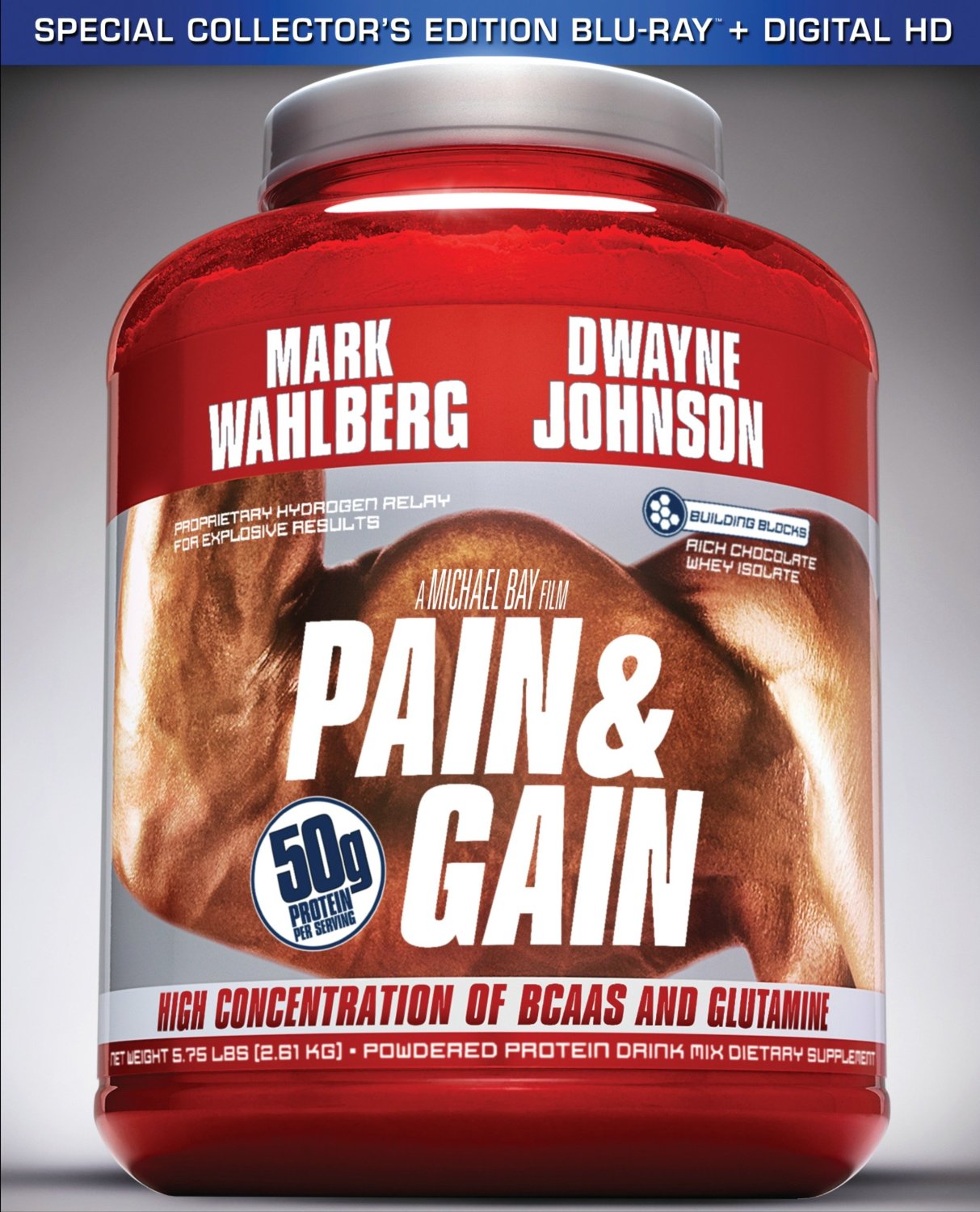
People have used a lot of different words to describe Michael Bay and his films: “loud”, “blockbusters”, “mindless”, “soulless”, “Hitler” and, of course, “awesome.” One of the words you don’t normally associate with Bay’s undeniably successful output is “clever.” I daresay Pain & Gain is the most interesting movie the action auteur has ever made; the film is both seriously silly and surprisingly smart in how it presents its stupid characters.

“Unfortunately, this is a true story.”

What makes a bad movie? What makes a good movie? The standards are getting lost in murky waters, because many of the critics have no interest in film history and the clear record of what is great and what is garbage. That goes for many filmmakers too. Their standards are what works in the last 12 months and how to try out the latest technology. Unfortunately they often forget the tried and true basics like good writing and good acting. Ethan Hawke gets a lot of these small movies. Sometimes it's a fantastic independent film like Before Midnight (part of a series of films for director Richard Linklater including Before Sunrise and Before Sunset) and sometimes it a genre picture that costs nothing that makes a fortune like The Purge or Sinister. Hawke knows what he's doing. He wants to make every kind of picture, because he knows that's the only way to stay viable. Sometimes it doesn't work out.

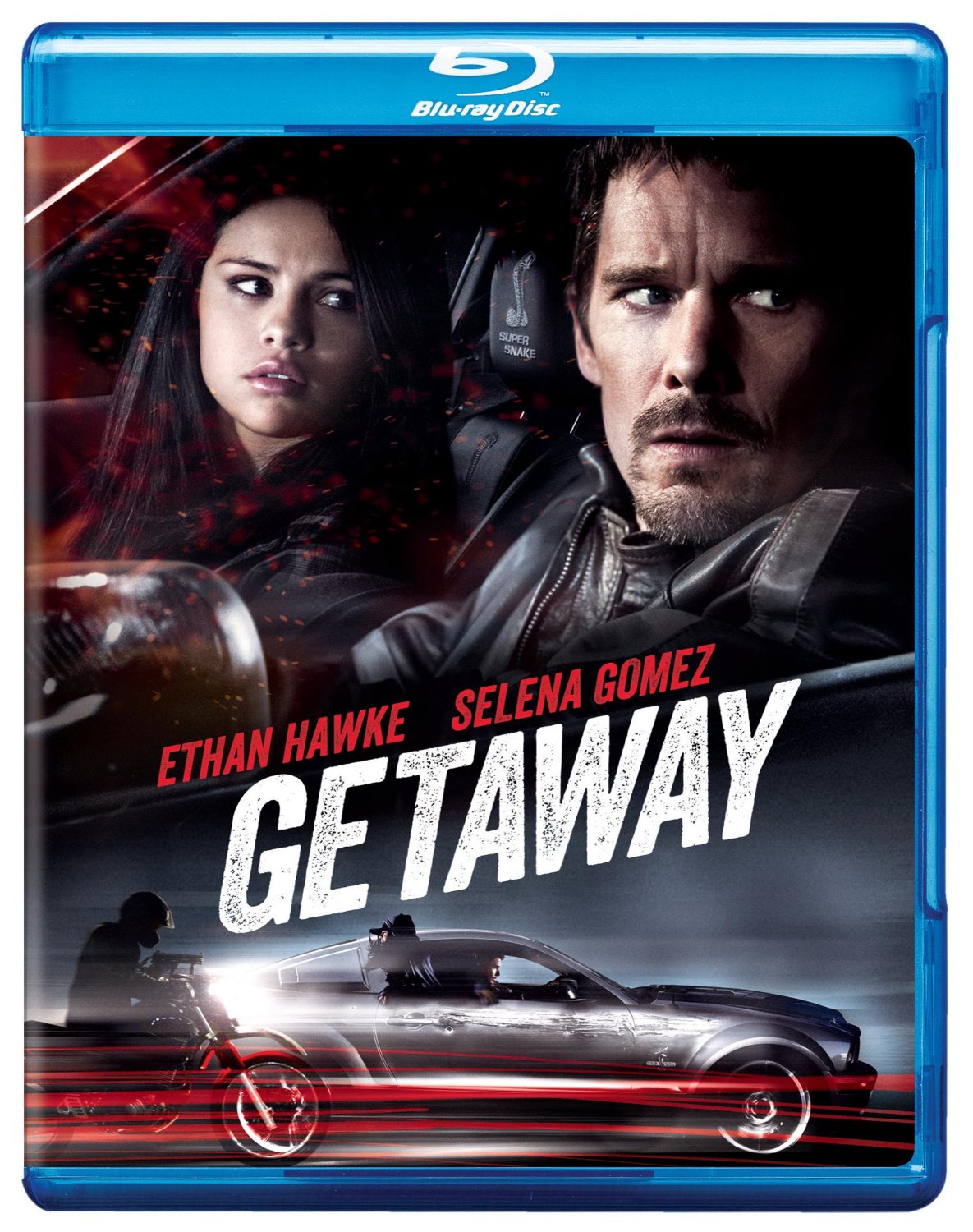
Getaway is a simple genre picture made to make people happy. The goal of this movie is to have as many car crashes possible in under 90 minutes. Is that so terrible? Not really, but the problem is that it does get monotonous. There are too many crashes. One wouldn't expect that to be a problem, but it is. I've sat through six Fast and Furious movies, and I thought they were all crap except for the last one. Why? Fast and Furious 6 gave up any pretense of being taken seriously and just went all the way to make the movie fun. They spent a ton of money, but they finally just made the movie fun.

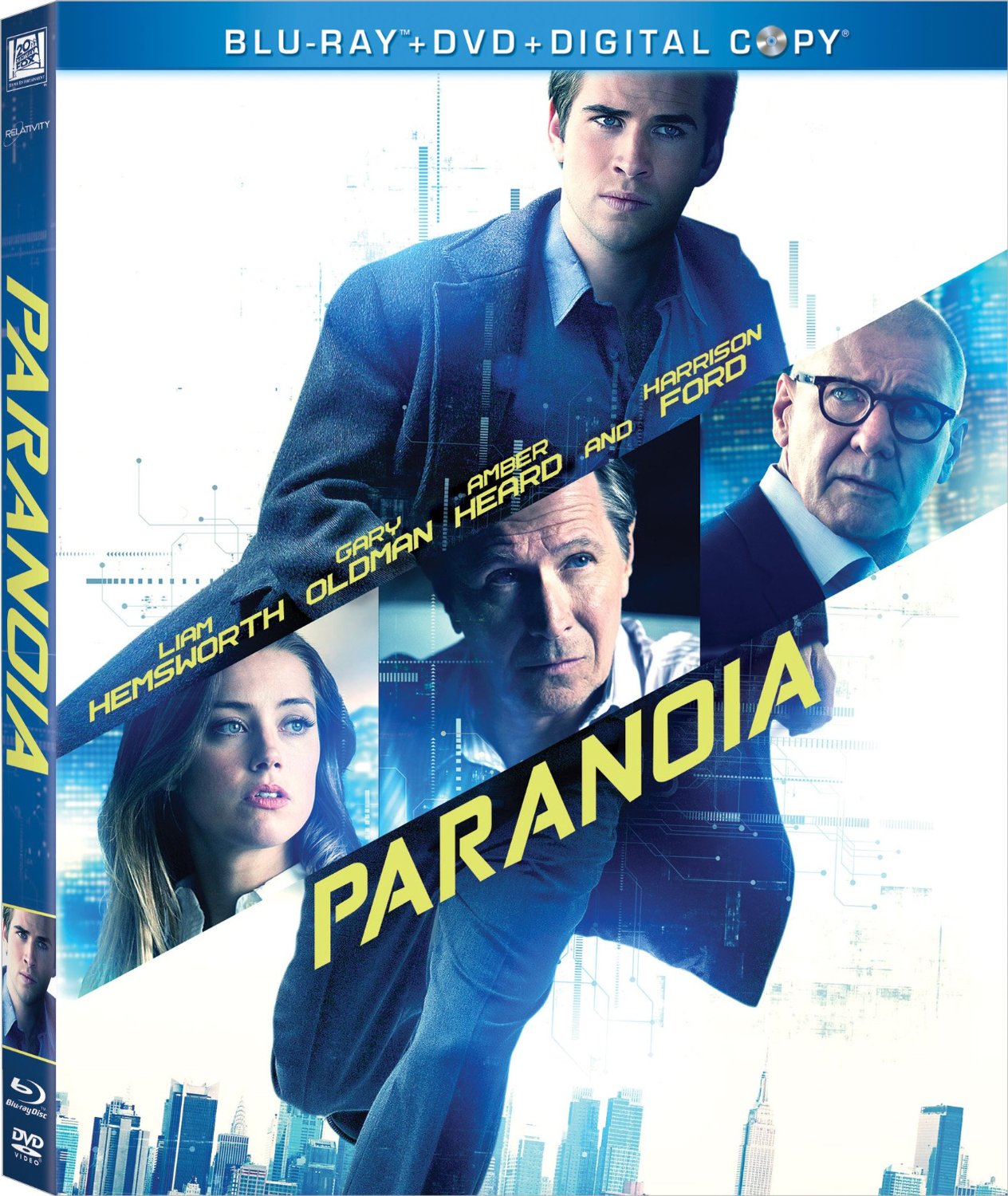
It's nice to see two Spielberg veterans in the same movie. It's been a long time since American Graffiti when Harrison Ford and Richard Dreyfuss last appeared together. It's been a long time since Hooper in Jaws and Roy Neary in Close Encounters of the Third Kind, but Dreyfuss and Ford don't appear together in this movie either. It's like they are in two different movies. Paranoia is a corporate espionage thriller with two CEO's played by Harrison Ford and Gary Oldman, who have strong ties and stronger hates. There is lots to like about the movie, but many, many missed opportunities too.

The story is fairly tangled and revolves around a young genius (Liam Hemsworth, the brother of Chris who plays Thor in some other movies) who suffers from immaturity and bad judgment. Richard Dreyfuss is his lovable loser of a father who needs his medical insurance. But he loses his medical insurance because he's not important enough to his big boss Oldman, who fires him. It turns out that was a bit of a ruse. It's actually much more convoluted and confusing than that, but that's the essence of it. Oldman's rivalry with his former mentor and now fierce competitor played by Ford is all-consuming, so much logic is lost in his zeal. Oldman uses threat of death and promises of riches to entice Hemsworth to infiltrate Ford's inner circle.