Look, all funny guys are damaged.”

It's no secret that some of the greatest and most memorable stand-up comics of all time — Lenny Bruce, Richard Pryor and Robin Williams, to name a few — were as troubled as they were talented. Of course, turning their inner turmoil into comedy was a big part of what made them legends. Showtime's I'm Dying Up Here is a dramedy about a group of struggling Los Angeles comics in the 1970s. But the show is at its worst when it takes the art of stand-up comedy way too seriously.

"All this has happened before and will all happen again. But this time it happened in London. It happened on a quiet street in Bloomsbury. That corner house is the house of the Darling family, and Peter Pan chose this particular house because these were people who believed in him..."

In 1953, with a little help from some Walt Disney magic, generations of children, and adults, of course, would learn to believe in the boy who never grew up. Peter Pan began in the imagination of writer J. M. Barrie.

Just because you’re paranoid doesn’t mean they’re not really out to get you. That old axiom has never been more true than for David Vincent in the Martin Quinn series The Invaders. Quinn was best known for his police procedural shows like The FBI. At the time of the The Invaders, Quinn was coming going into the final season of one of his most popular shows, The Fugitive. While most people over the years has compared The Invaders to that Quinn production, they were really not as similar as all of that. In The Fugitive the hero, Richard Kimball played by David Janssen had a very specific mission. He was wrongly convicted of killing his wife and was on the trail of the real killer, whom he had witnessed.

My very first impression was that this show was very ambitious from the gate. Perhaps the show’s fatal flaw is that it attempts to tackle far too many serious issues, complete with complex undertones, with the largest ensemble cast I’ve seen yet. Add this to the fact that the world is still a little sensitive to terrorist attacks, and you have a recipe for keeping your audience relatively small. None of these things are bad elements in and among themselves, and I’m certainly not suggesting that these issues need to be abandoned. I’ve been a high school teacher, and one thing any of us can tell you is that there’s only so much a person can absorb in a given amount of time.

Much to the dismay of probably most of my family and friends, I like to watch lots of weird films. Films directed by David Lynch, Planet of the Apes movies, and Johnny Mnemonic (I freaking love that movie) among many others I have watched over and over again. This is even more true with animation as I love to find clever styles that goes beyond convention and still produce a wonderful and thrilling story. So today, I review Satellite Girl and Milk Cow, a Korean animation film that is sure to test the boundaries of my fondness for weirdness. Is it too much for this critic or is it right in my sweet spot? Let's find out.

Much to the dismay of probably most of my family and friends, I like to watch lots of weird films. Films directed by David Lynch, Planet of the Apes movies, and Johnny Mnemonic (I freaking love that movie) among many others I have watched over and over again. This is even more true with animation as I love to find clever styles that goes beyond convention and still produce a wonderful and thrilling story. So today, I review Satellite Girl and Milk Cow, a Korean animation film that is sure to test the boundaries of my fondness for weirdness. Is it too much for this critic or is it right in my sweet spot? Let's find out.

“Welcome to Jurassic Park.”

With those words begin an adventure that started with the legacy of Willis O’Brien’s The Lost World. You see, dinosaur films are nothing new; they have held our childlike fascination since the industry was born. Jurassic Park was, however, something very new when it thundered into our cineplexes and forever into our imaginations 20 years ago. The marriage of brand new CGI technology with Stan Winston’s superbly detailed animatronics models transports you back 65 million years in time.

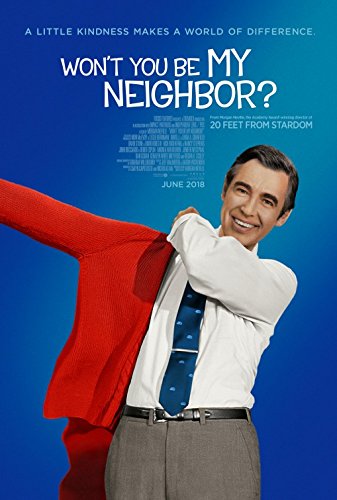
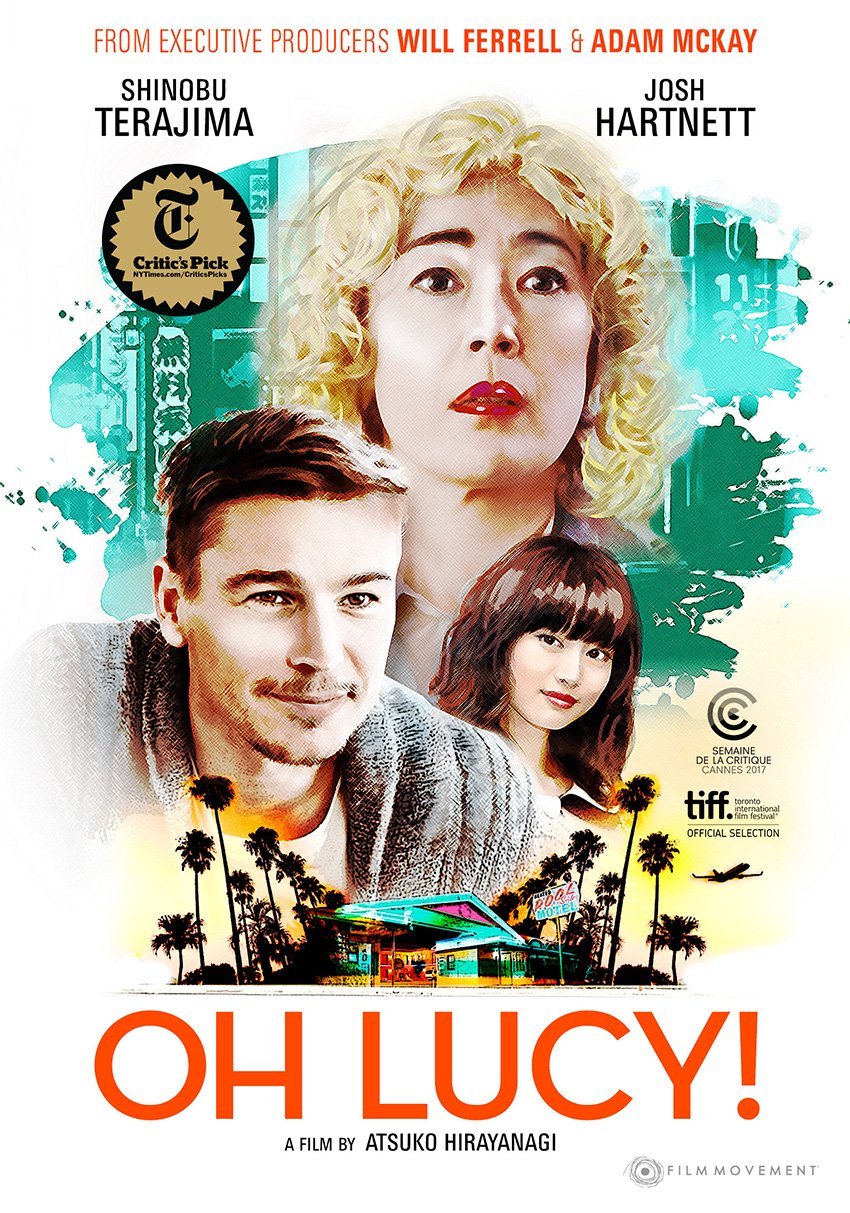
This grouping from Film Movement has been my favorite to date. The theme that ties these films together is what I would label as “art as process.” Each film revolves around the philosophies of making, practicing, refining, and reflecting upon one’s own art. Featuring one narrative and two documentaries, this grouping really foregrounds the importance of the messiness when it comes to process. In order to be a true artist, a true expert in your craft, you can’t be afraid to get messy: to fail before persevering. My Art, The Paris Opera, and Conduct! Every Move Counts each share an appreciation for failure and the seeds of success it plants within aspiring artists, both young and old.

The film is based on a series of books that I had never read, and from what I understand the film takes many liberties with the storyline and characters. As his sophomore effort behind the camera, there were high expectations for what Garland would do, and the result I believe is one of the most divisive films I’ve seen in a while. This is the kind of film that gets me excited for the future of cinema, not just because I loved the film, but I love the conversation it can provoke with other filmgoers.

If you've visited this website at any point this century, you know the name Gino Sassani. Gino is the senior editor/fearless leader of Upcomingdiscs.com and an award-winning recording artist for Omega Records currently working on his 8th album. Please join us in congratulating him on his latest accolade: Gino was recently voted into the Southeastern Film Critics Association (SEFCA).

SEFCA members publish their work or live in Florida, Alabama, Arkansas, Georgia, Kentucky, Louisiana, Mississippi, North Carolina, South Carolina, Tennessee, Virginia, and West Virginia. Gino began reviewing films in the early 1990s as a segment of his local television show, “Focus.” Working out of his home theater, which is affectionately known as “The Reel World,” Gino has written over 3,000(!) reviews since he joined the site in 2000. Gino has had the honor of chatting with a diverse group of industry giants — ranging from Joe Dante to Ice Cube — and has posted the interviews, along with dozens of others, as podcasts on the site.