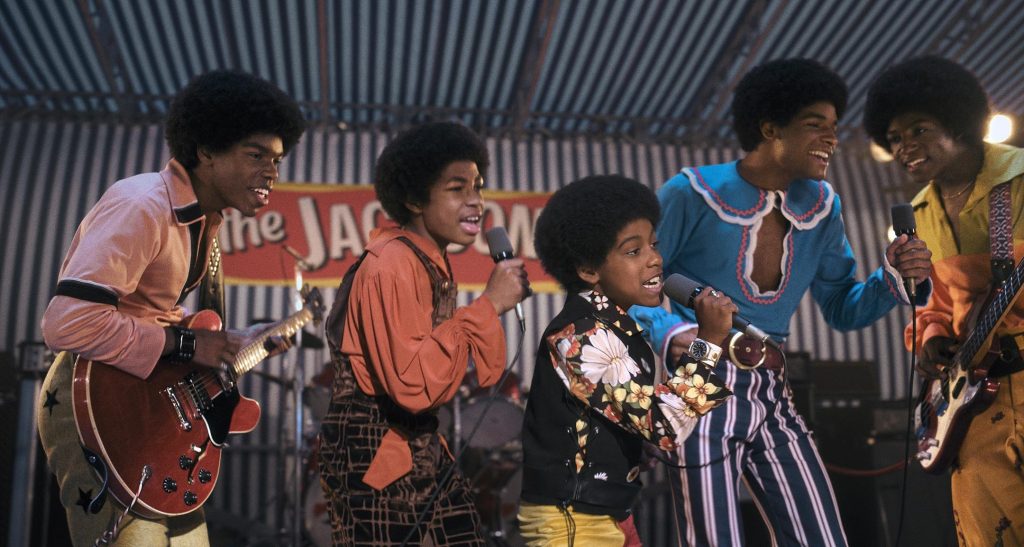
Their channels have millions of subscribers. Their videos have billions of views. They are the future of dance.”

The definition of “making it” as a dancer has shifted over the years. Movies have dramatized this struggle by having its hoofing heroes struggle to earn street cred, gain admission into some prestigious dance academy, or make noise on Broadway. But thanks to social media and websites like YouTube, wannabe dance sensations can take a more DIY approach to stardom. The best parts of Breaking Through brush up against that notion, but too much of the film gets drowned out by groan-worthy dance flick cliches.

Uncanny is definitely an apt title for this science fiction film: a story that deals with possibly the most realistic artificial intelligence entity ever created, in the realm of this film’s universe that is. The impact of this film will likely be dampened due to the release of a recent realistic science fiction drama that will not be named. In the beginning, the film did not fully capture my attention as I had an idea of how things were going to play out. That said, what I imagine could not have been further from the reality. It is rare that a film catches me off guard, and it is also a pleasant surprise when it does. So in that regard, my hat is off to this film.

Reporter Joy Andrews (Lucy Griffiths, Constantine) is selected to conduct a week-long interview with genius and recluse David Kressen (Mark Weber, Scott Pilgrim vs. the World) a pioneer of technology said to have created something unlike anything ever seen. Their interaction gets off to the rocky start as the two size each other up and Joy remains unimpressed with Kressen until he reveals his innovation: Adam (David Clayton Rogers, Jane By Design), a fully functioning artificially intelligent humanoid. After the revelation Joy becomes fully engrossed with the story, and the trio spend a great deal of time together.

“A straight line…you just go, and you never…look…back.”

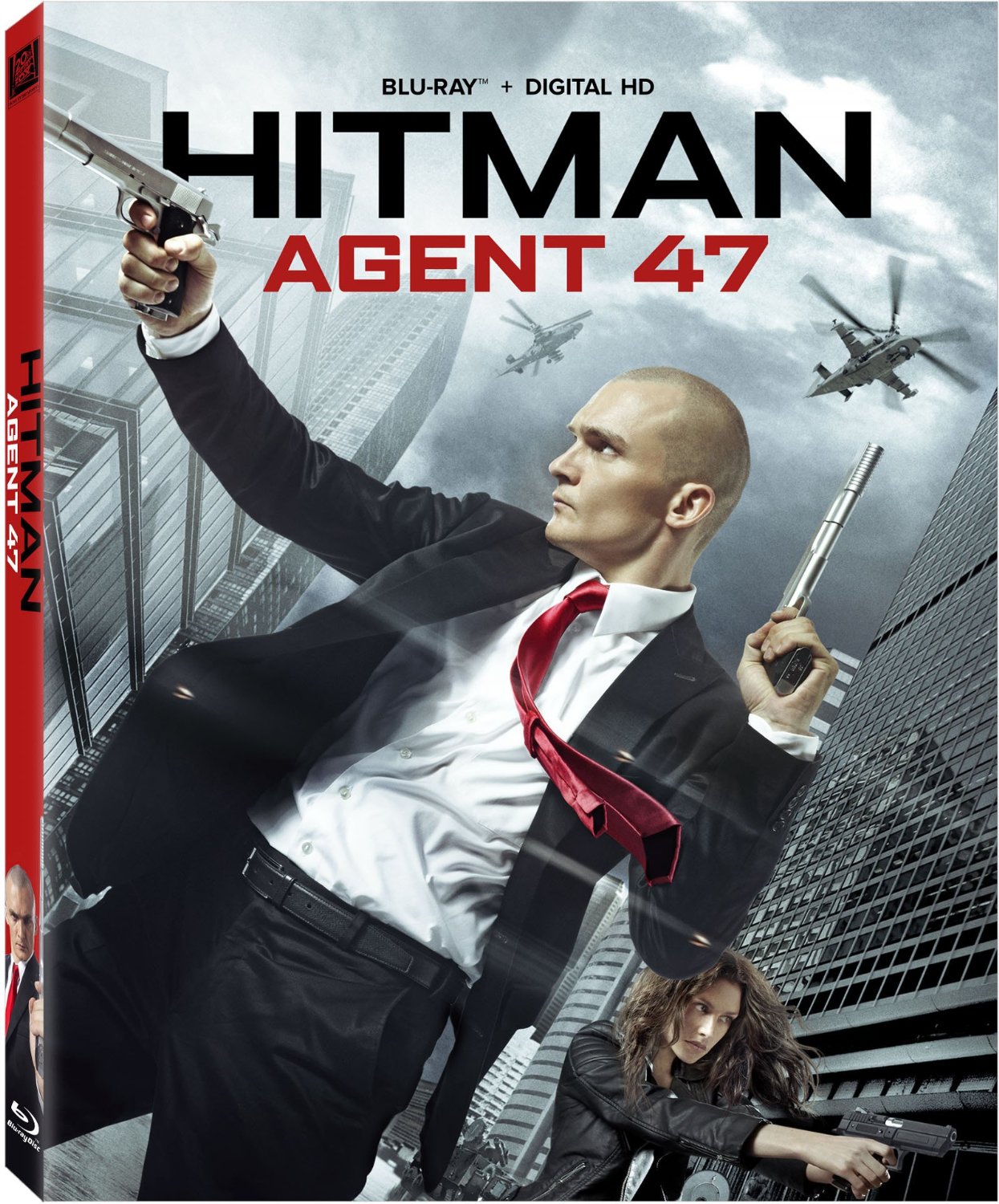
Well, I hope you’re ready to have everything you know about the Terminator franchise turned on its head. As a franchise known for his alternative timelines where the things we come to know are often turned around, my previous statement may sound like the usual bread and butter to you. However, I must say that I feel like the latest incarnation of the franchise, Terminator Genisys, has really outdone itself this time. As far as reboots go, this may be one of the best that I have seen in quite some time as we are introduced to a completely new cast (well, almost completely new cast) portraying characters already near and dear to our hearts.  Terminator Genisys was an action-packed experience sure to leave the audience entertained.

At the turn of the millennium a decade and a half ago, lists were pretty popular. It didn't matter if you were into the world of sports or movies, everybody was looking for the all-time best of everything. The American Film Institute got into the trend by releasing top-100 lists. Heroes, villains and memorable quotes all got the treatment. We all argued about the "classics" we felt were unfairly slighted and the "idiotic" choices that did make the lists. If only the lists were so much larger. Then everyone's favorites would be included and we could all finally find a list we could agree on. But, what number would that be? 100 was too small. A million was just too large. What number might be just right? 1001?

The millennium passed and the manic number of lists subsided. 2007 came and we all learned what a Bucket List was. We all started thinking about those wonderful things we felt we simply must experience before we kick that figurative bucket. If you're reading these pages, you likely included a list of films that you had to see before you die. It seems that the folks at Barron's Publishing have attempted to answer that question for us with their encyclopedic book: 1001 Movies You Must See Before You Die.

"Different, entirely." 

I have been a fan of Sherlock Holmes since I was a kid. Mixed amidst those Universal horror films I watched with my Pop on weekend chiller shows was an occasional Universal Holmes film with Basil Rathbone as the master of deduction. Soon followed the Doyle books, and a new world was opened for me forever. Since those days we have seen every kind of incarnation of the character possible, or so I thought. I've seen Holmes as a child in Spielberg's Young Sherlock Holmes. There have been several comedies and even a musical or two. Robert Downey Jr. has turned him into an action hero, and Benedict Cumberbatch has brought him into the modern world. I even remember Larry Hackman's television version of a motorcycle cop who has a head injury and believes he's the famous detective, gaining the requisite deductive skills in the process. It was called The Return Of The World's Greatest Detective. Star Trek fans reveled in Data's immersion in the detective's world, even bringing back his infamous nemesis as one of The Next Generation's more sympathetic bad guys. But in all of these incarnations I have never seen anything as truly remarkable as Mr. Holmes. It is most decidedly something different entirely.

I don't think there has ever really been a great film about a great writer. We naturally compare their lives to works of great fiction. Great fiction tends to distill the tedium and awkwardness out of real life. Real life can be exhausting in the day-to-day disappointments that can sometimes be wrapped in small victories. David Foster Wallace was a great writer. This is almost universally acknowledged. David Foster Wallace no longer is because he hung himself in 2008 at age 46. Many people who were in his life are now very protective of him and his privacy. They are angry at the idea of a movie being made about his life. Authors like J.D. Salinger and Thomas Pynchon have spent their lifetimes being reclusive, but the fact that they had published and provoked our thought means we are entitled to explore their lives. The problem always will be rising to the occasion and doing justice to the thoughts they provoked.

The End of the Tour is about five days a reporter for Rolling Stone spent with Wallace. The journalist was David Lipsky, who had written a novel of his own and was clearly in the grips of some hero worship. The hero he met was self-conscious to a nearly painful degree. He also seems to be struggling to be an average guy. I don't think the movie is a good indication of what Wallace was really like. But then, let's just look at this as a movie first. As I said, I don't think the author should be protected and hidden from us because he had faults and deficiencies. I think we should keep an open mind as to what the truth really is. I have listened to interviews done with Wallace, and he always comes off as reflective, thoughtful, truthful, intelligent, profound, and open-minded. I think the intention of this movie was to reveal a more unvarnished view of the writer.

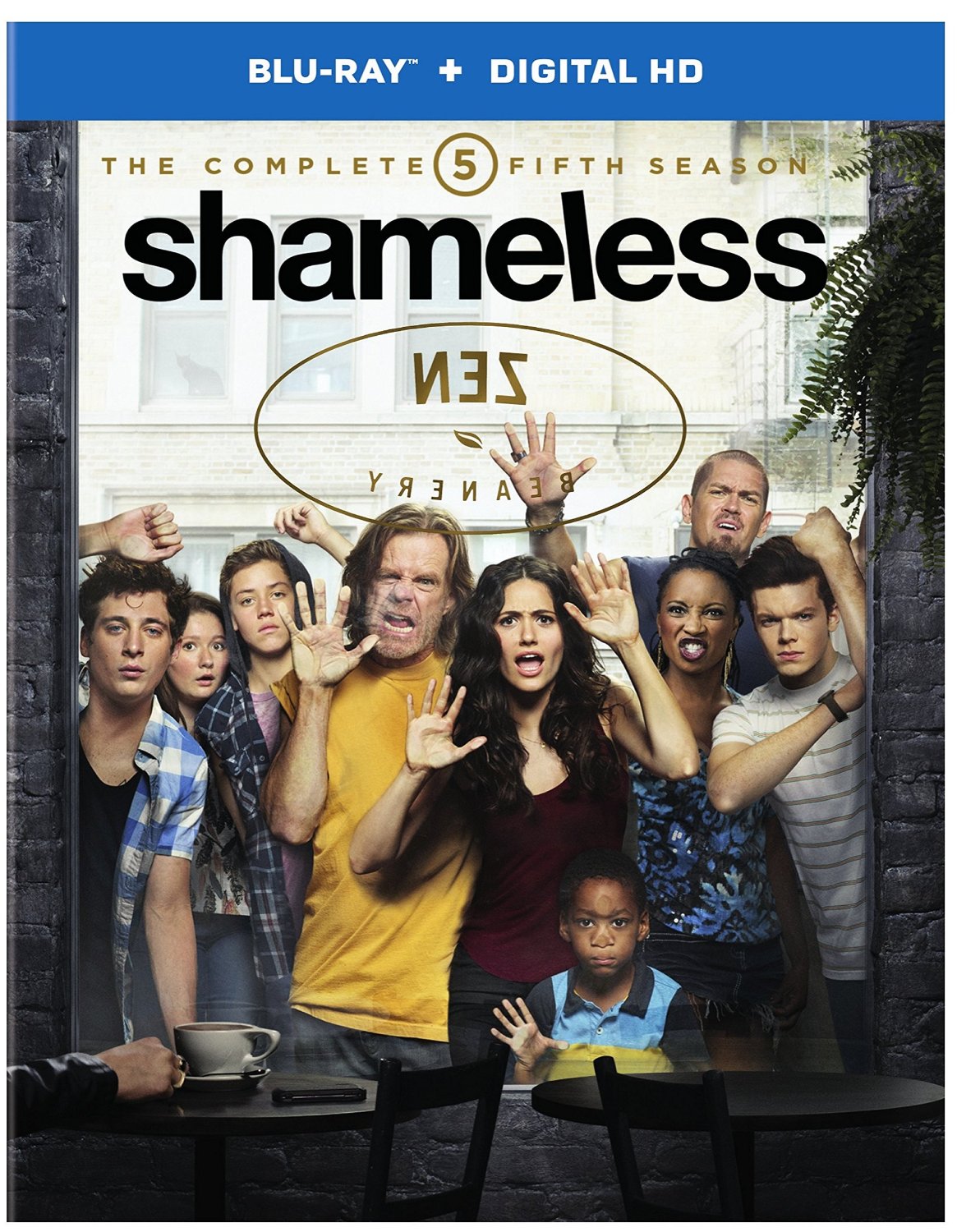
Arnold Schwarzenegger is a man of his word. As promised, the Terminator is back…and he’s busting into UpcomingDiscs headquarters! Paramount’s Terminator: Genisys highlights this week’s slate of new releases. Meanwhile, Shout! Factory tunes into WKRP in Cincinnati: The Final Season and catches up with Maude: Season 3. Cinedigm sticks its neck out for Zarafa, and Cohen Media Group introduces us to Two Men in Town. Finally, Lionsgate punches a ticket to The End of the Tour and reminisces with Mr. Holmes (which comes *very* highly recommended).

This post is also your latest chance to enter our Tuesday Round Up contest for November. Once a month we’re going to give away a free DVD title to a lucky winner who comments in our weekly Round-Up posts. All you have to do is comment in a Round-Up post — like this one! — and tell us which of the featured titles you’re most excited to watch or read about. The winners and their prizes will be announced the first week of every month right here in our Tuesday Round-Up post. You can’t win if you don’t comment. Contest is open to residents of the U.S. and Canada.

Tibet has been under Chinese oppression for more than fifty years. Recently, a wave of self-immolation has become a disturbing form of protest among Tibetan monks, with approximately 138 incidents since 2011. This alarming number of self-immolations is essentially the “straw that broke the camel’s back” for the filmmaker, as that is a theme that is brought up quite a few times in the peaceful protests depicted in this documentary. However, what earned this film a four-star rating is the nuances of a man’s journey to understand himself within the entirety of the Tibetan conflict.

Lotem Namling is an exiled Tibetan musician living in Switzerland. The increase in Tibetan monks’ self-immolation protests greatly disturbs him, so he begins a journey from Europe to India, dragging a large black coffin with the words “Free Tibet” painted onto its side. As Lotem’s journey progresses, the mentality behind his peaceful protesting seems to sink down into that of radical violence. Only through a meeting with the Dalai Lama does his anger and radicalism subside.

Dustin P. Anderson

Our story follows Davide, a scientist who is trying to exorcise aliens out of the bodies of people who have been abducted. One day Davide is visited by a strange girl who says that she is possessed by an alien. Davide and his team look into it and are startled when they find out that this girl is royalty, and possessed by a leader among the aliens. I would love to give you more explanation, but after sitting through this movie twice, I still cannot make heads or tails of what is going on. I have never been so confused while watching a movie. The small bits and pieces I could understand were that there is a guy who is trying to use the human soul to force out aliens who have taken control of a host body. After that I know that the main character used the help of the Catholic Church in order to purify the host body which was taken over by the alien invader. This makes sense in a loose sort of way; church and soul go hand in hand I guess. Still don’t understand how barcodes are supposed to help purify the soul. Still don’t understand why the end scene needed to take place during a rave. Still don’t understand the entire end of the movie. Still don’t understand why heroin was needed to knock the aliens out. After sitting through this movie twice I could only connect two things, the church and the soul. There are times where there is something sexual happening, and it is almost completely unexplained, like when a possessed girl just kisses some other random girl with no lead-up or explanation as to why they are kissing. It seems like things are just sexual for the sake of being sexual, like when someone says ”just a little orgy between kids” in response to a group of our characters randomly making out to hide an alien. It feels as though at least thirty minutes of explanation was missing from this movie. I shouldn’t have been surprised though; the synopsis on the back of the DVD didn’t even make sense.

Why, this is getting more farcical by the moment!”

It's easy to point at the 1960s Batman TV series and laugh. For Dark Knight loyalists who insist their hero be gritty and tortured, the show is (at best) a campy amusement. At worst, it's an embarrassing atrocity. The two most important things to note are 1.) the show is very much a product of the Swinging Sixties time period in which it was made, and 2.) the series is *supposed* to be funny. (Batman picked up an Outstanding Comedy Series Emmy nomination during its run.) Keeping those two factors in mind is crucial to enjoying this entertaining, monumentally bizarre run of episodes.