Drama

"Different, entirely." 

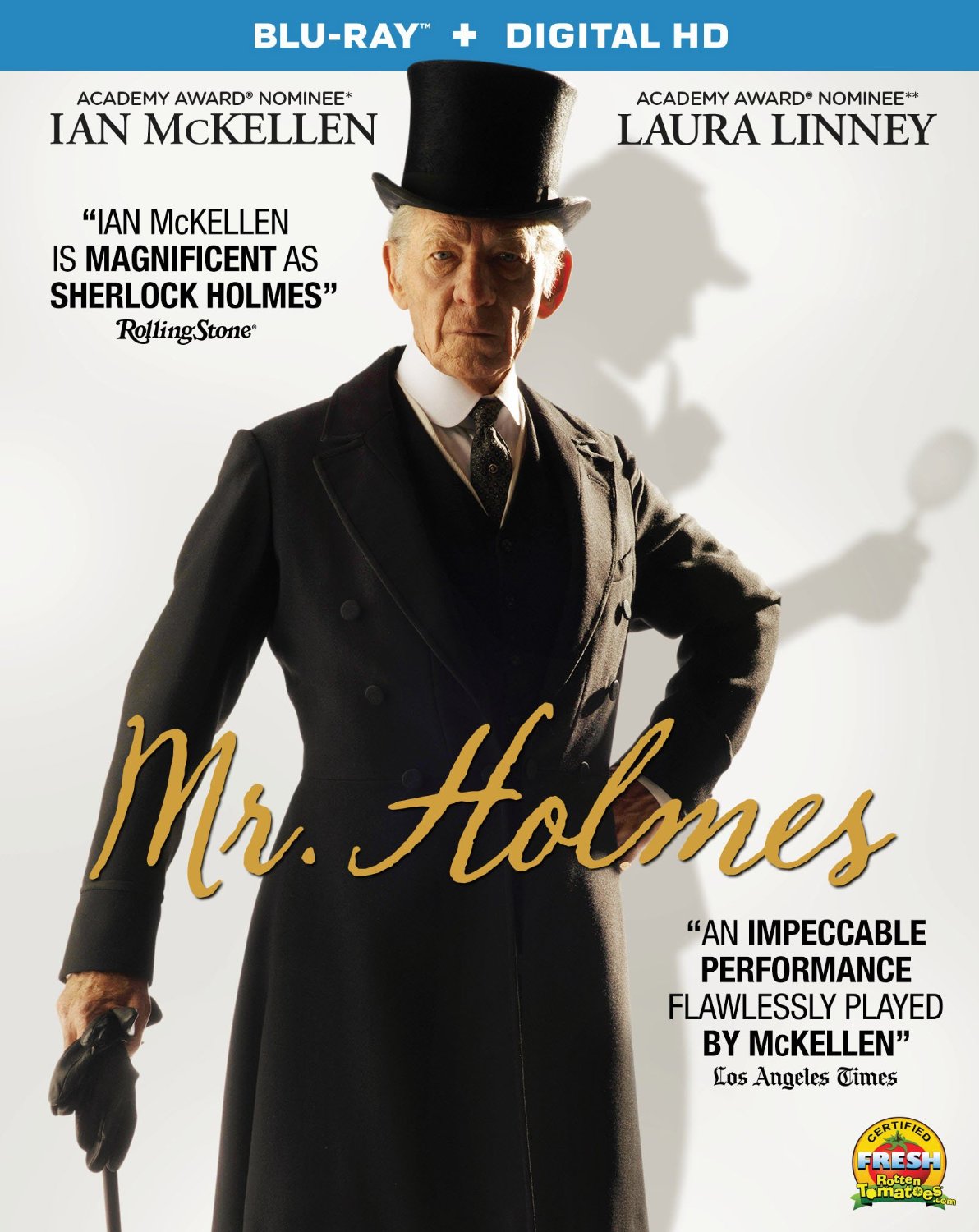
I have been a fan of Sherlock Holmes since I was a kid. Mixed amidst those Universal horror films I watched with my Pop on weekend chiller shows was an occasional Universal Holmes film with Basil Rathbone as the master of deduction. Soon followed the Doyle books, and a new world was opened for me forever. Since those days we have seen every kind of incarnation of the character possible, or so I thought. I've seen Holmes as a child in Spielberg's Young Sherlock Holmes. There have been several comedies and even a musical or two. Robert Downey Jr. has turned him into an action hero, and Benedict Cumberbatch has brought him into the modern world.

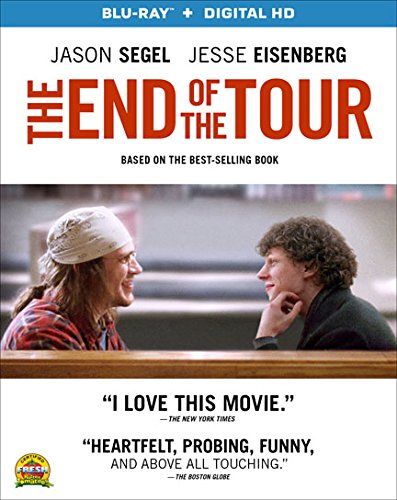
I don't think there has ever really been a great film about a great writer. We naturally compare their lives to works of great fiction. Great fiction tends to distill the tedium and awkwardness out of real life. Real life can be exhausting in the day-to-day disappointments that can sometimes be wrapped in small victories. David Foster Wallace was a great writer. This is almost universally acknowledged. David Foster Wallace no longer is because he hung himself in 2008 at age 46.

Un, deux, trois! Cohen Media Group has given us an engrossing triple dose of French director Benoit Jacquot. The films —The Disenchanted, A Single Girl, and Keep It Quiet — span a decade and coincide with the moment when the post-New Wave filmmaker started gaining international acclaim. Each of the titles makes its HD debut with this release, and they all offer an intriguing look at Parisian life. The movies also feature some enchanting performances from their leading ladies.

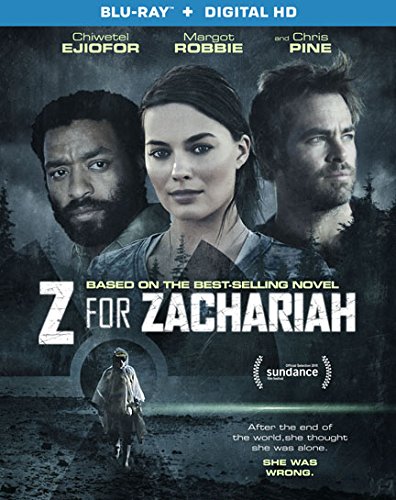
Between Judgment Day, zombie apocalypses, and various other doomsday scenarios, we've gotten a pretty good look at what the end of the world is supposed to look like. One of the most striking things about Z for Zachariah — an otherwise straightforward and deliberate drama that takes its story from a 1974 novel of the same name by Robert C. O'Brien — is that, for the most part, the end of the world looks an awful lot like paradise.

This is the beginning of something, not the end.”

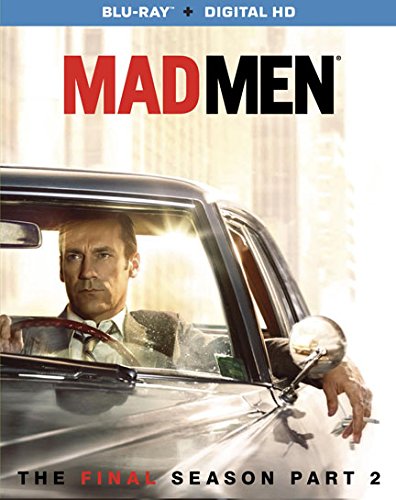
There weren’t any Lost-style mysteries to be resolved here. And unlike The Sopranos or Breaking Bad, this particular series never really hinged on whether the lead character lived or died. (Although a moment in Ep. 5/“Lost Horizon” seems to nod toward fan speculation that Don Draper would take a tumble similar to the silhouette from the show’s iconic opening credits.) Instead, the final season of Mad Men — more than any other all-time great show I can remember — is directly about the end of things.

People have short attention spans. And there’s always another murder.”

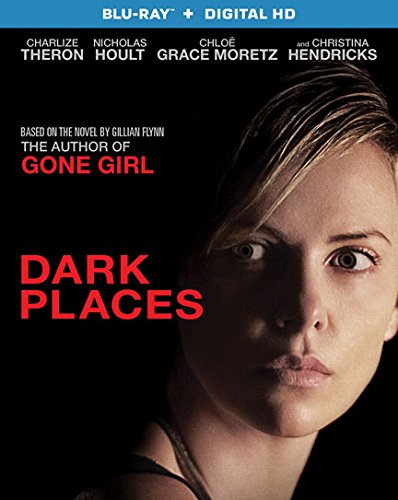
Barely a year after Gone Girl became a mid-range blockbuster, we're already getting our second big-screen adaptation of a Gillian Flynn novel. To be fair, both Gone Girl and Dark Places went into production around the same time in the fall of 2013. But that just means someone anticipated that a single shot of Flynn's twisted brand of Midwest murder/mystery mayhem wouldn't be enough to satisfy movie audiences.

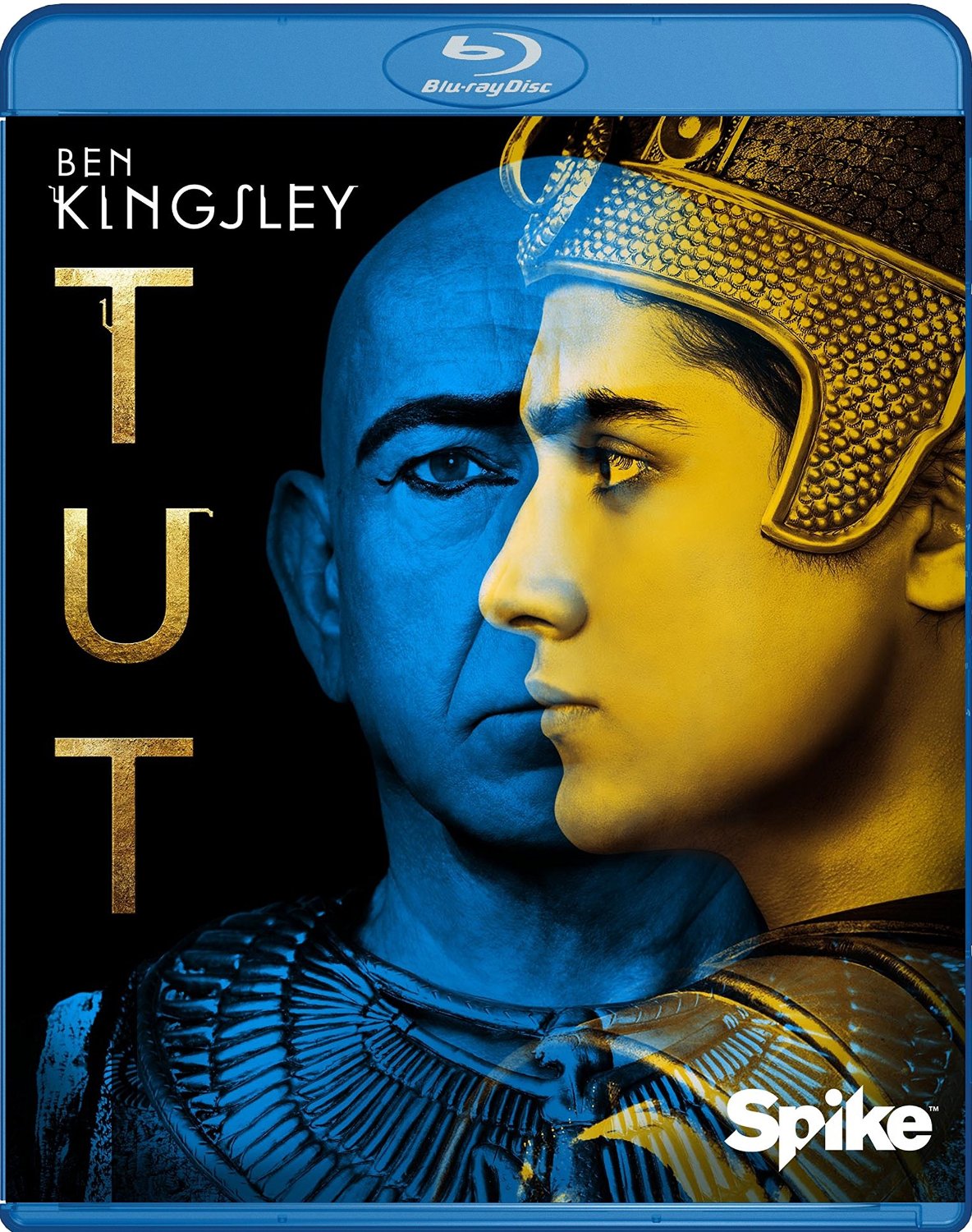
It wasn’t until I settled in to watch Spike TV’s three-part/six-hour miniseries based on the (relatively short) life of King Tut that I realized we hadn’t really seen his story depicted on screen before. I mean, it’s probably a bad sign that the most famous on-screen portrayal of the ancient Egyptian monarch comes courtesy of…Steve Martin. Given the liberties this miniseries takes with casting and storytelling, I reckon some historians would’ve preferred Martin as the famous pharaoh here. However, I still found this to be a suitably entertaining and attractive (if somewhat overstuffed) melodrama.

It is upon us now...an old and faceless foe.”

In the second season of Reign, that foreboding statement refers to the plague and ensuing famine that lay siege to the court of King Francis II, Mary Queen of Scots, and their subjects. But in real-life terms, the most dangerous “old and faceless foe” for a promising series entering its second season is the “sophomore slump.” That's why I'm pleased to report the CW's sumptuous period drama was able to maintain the shamelessly soapy momentum from its guilty pleasure first season.

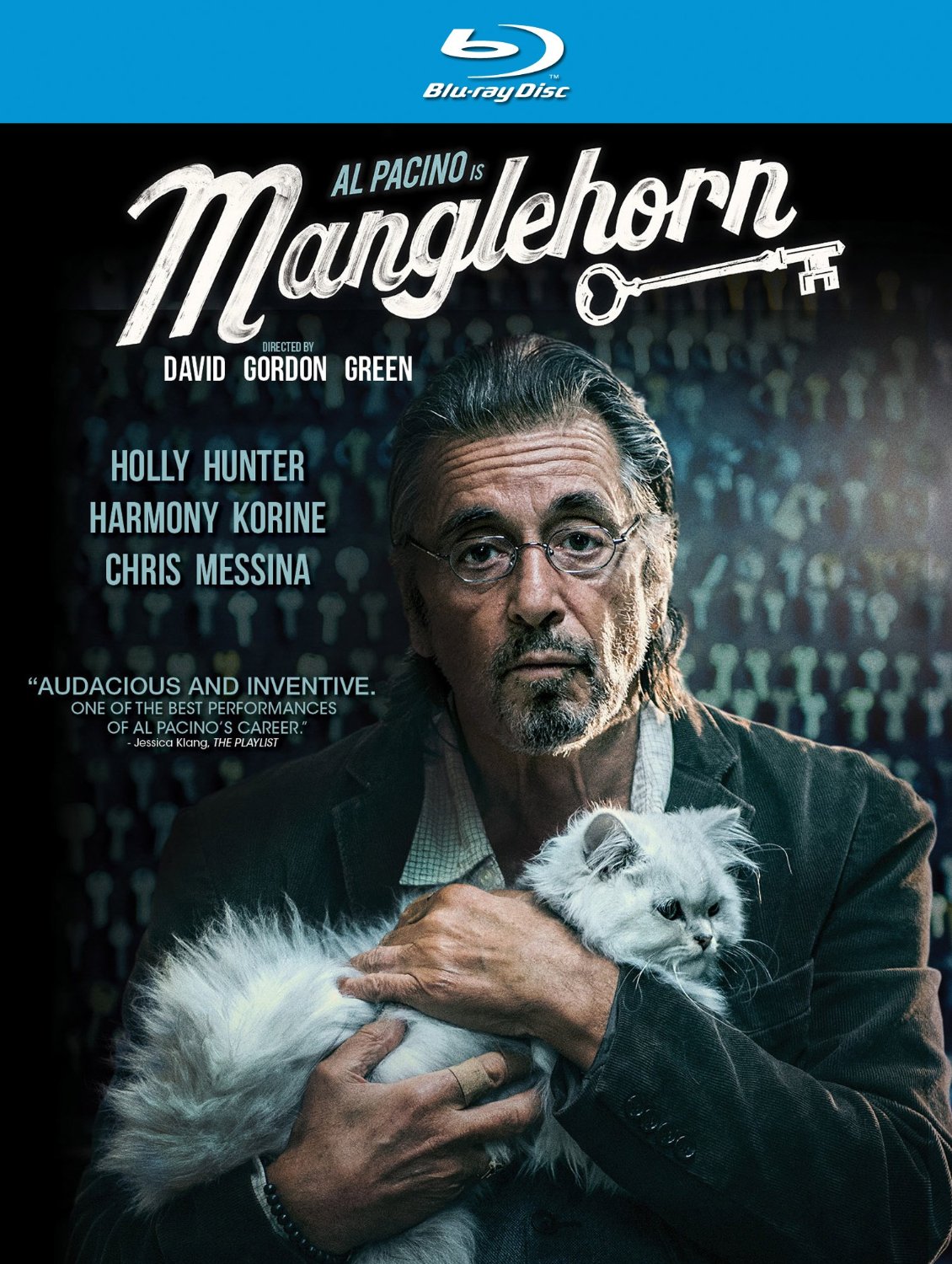
The last decade hasn’t been too kind to Al Pacino. The man is only one of our greatest living actors, but he’s mostly been stuck appearing in forgettable tripe (88 Minutes) or out-and-out atrocities (Jack and Jill) for the last 10 years. So it’s easy to overlook the fact that Pacino is quietly doing really good work again. I say “quietly” because the actor has recently eschewed the “hoo-ah!” tics that turned him into a caricature. This affecting, engaged, and more subdued version of Pacino can be seen in Danny Collins, and he is also front-and-center in Manglehorn, a whimsical, uneven drama that is grounded by its star’s strong work.

“Jane’s life was now the stuff of telenovelas.”

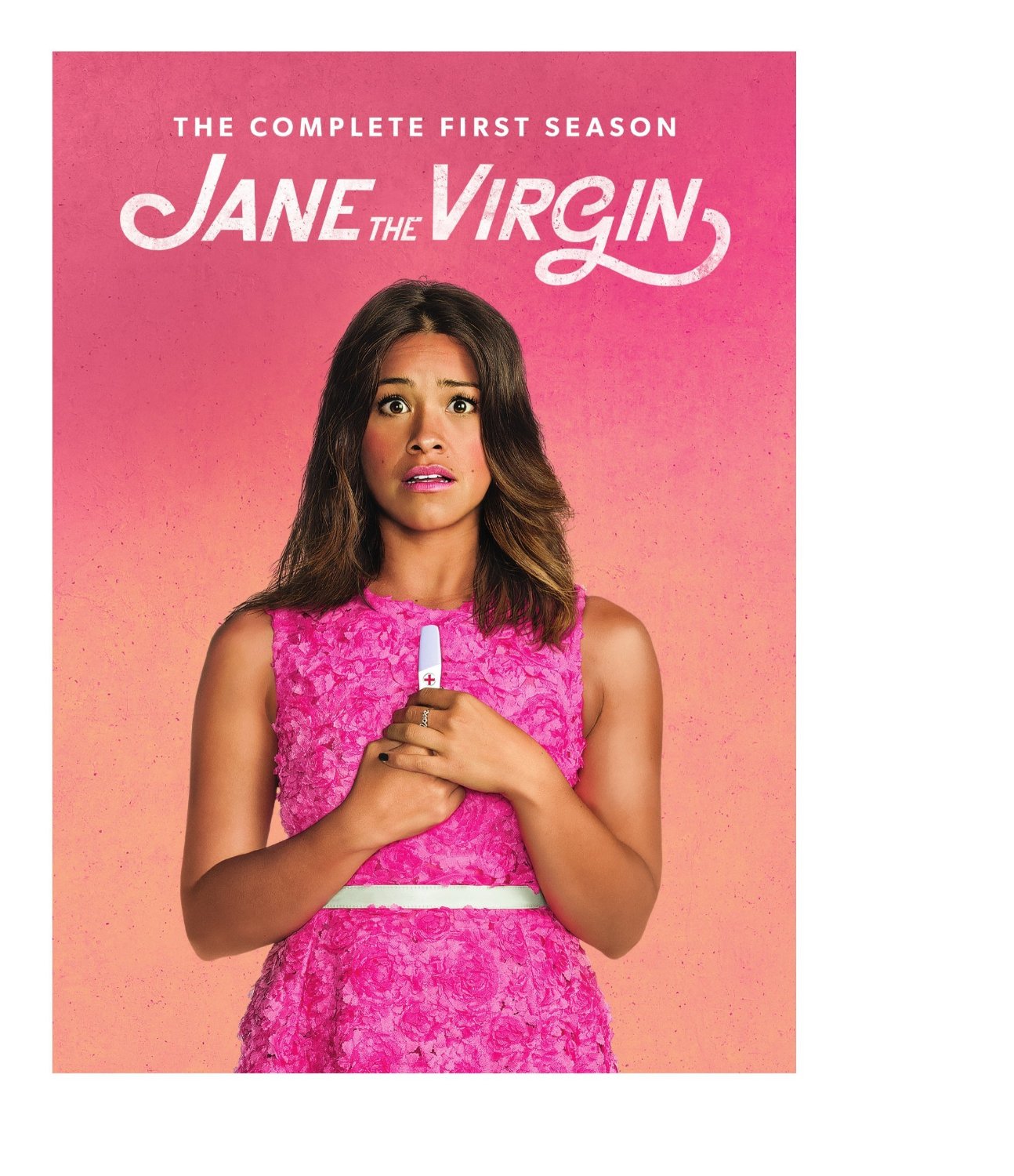
As someone who grew up in a Spanish-speaking household, I have a love-hate relationship with telenovelas. Most of the time, I can appreciate — and heartily laugh at — their inspired, over-the-top campiness. But sometimes I honestly feel a little embarrassed that this broad, ridiculous junk easily represents the most visible outlet for stories featuring Hispanic actors/characters. I’m also insulted by the implication that Hispanic audiences don’t want more nuanced TV options. The great thing about The CW’s Jane the Virgin is that it works both as an outrageous nighttime soap and a sharp, good-hearted satire.