Television

“There’s a king in every corner now.”

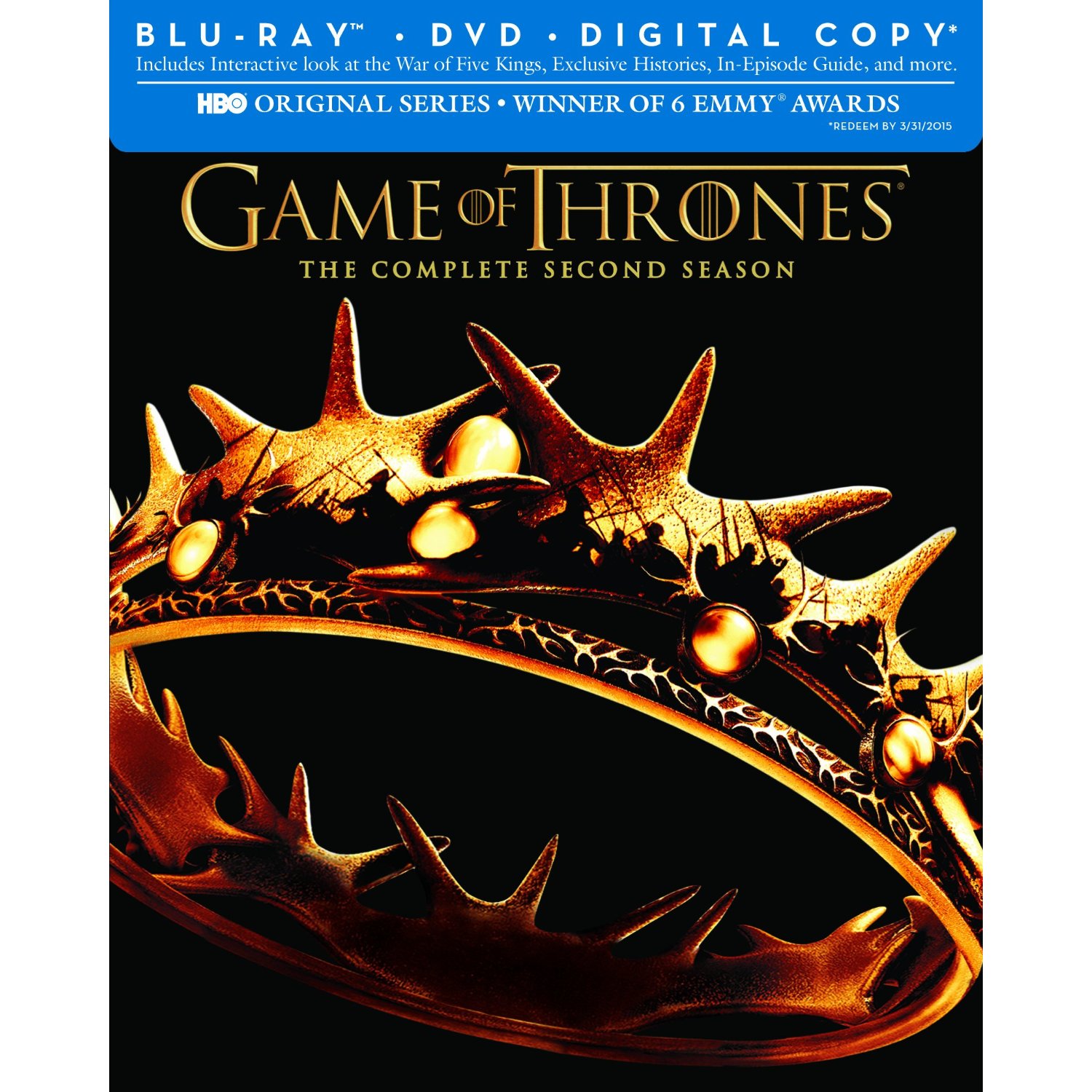
Game of Thrones is definitely one of the best shows on TV right now, and it might be the most ambitious television series ever produced. Ambition and quality don’t always go hand in hand. (See, Cloud Atlas. No, seriously…watch it. I’m one of the people who really enjoyed that convoluted mess.) The second season of Game of Thrones — a massive undertaking that took its cast to Iceland and Croatia, in addition to its Belfast base — performed a minor miracle. It deepened, expanded and improved upon an already excellent show.

“It’s time for Animaniacs. And we’re zany to the max. So just sit back and relax, you’ll laugh ‘til you collapse. We’re Animaniacs!”

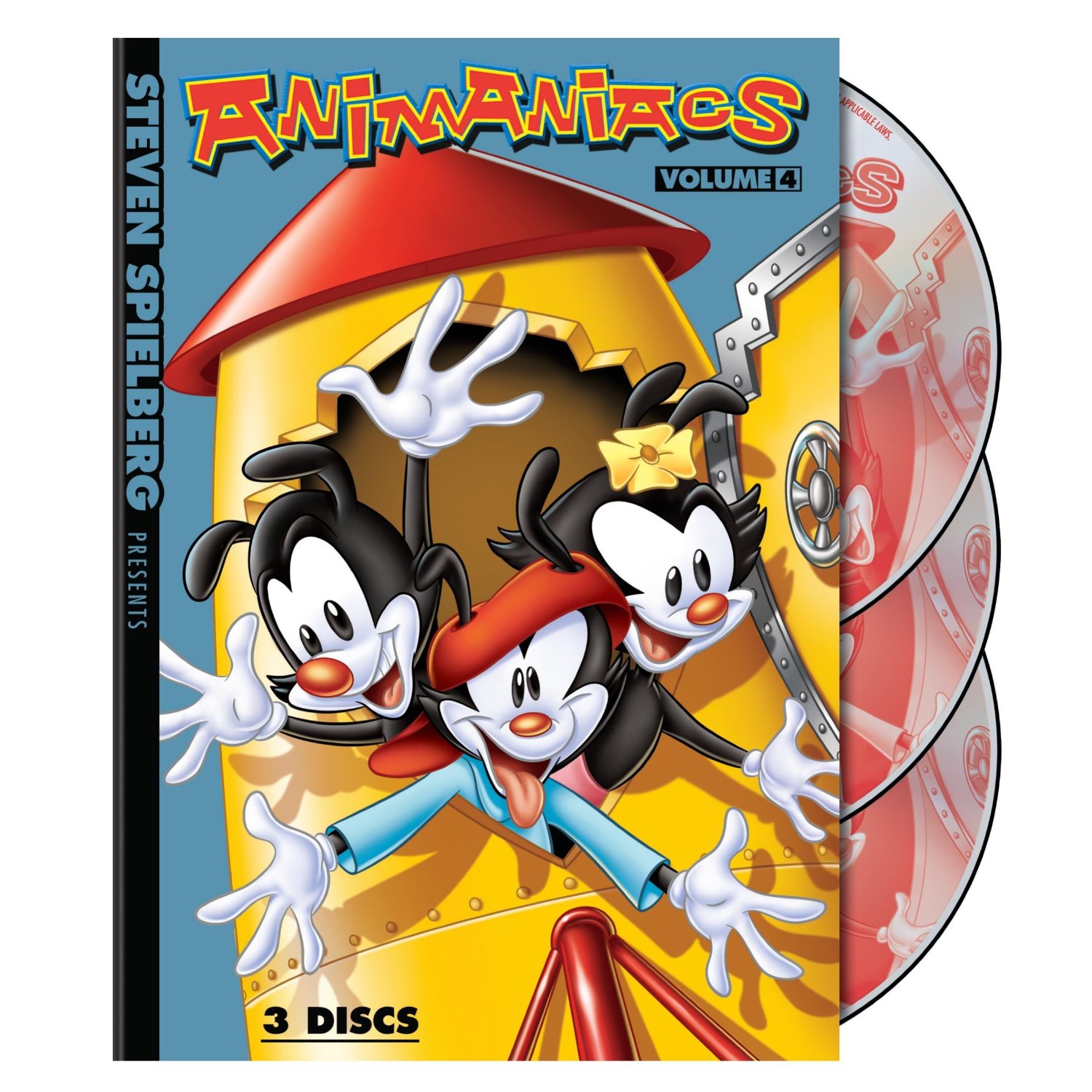
I am a 30-year-old man, and I didn’t need any help remembering the lyrics to the Animaniacs theme song. (Yikes! That sounds like a confession I should be making at my next Man-Child Anonymous meeting.) Similar to the influential work of Tex Avery and Chuck Jones, Animaniacs served as the first exposure many children in the ‘90s had to classical music and literary masterpieces. And like Looney Tunes, the show’s greatness lies in that it doesn’t just arbitrarily nod to the classics, it gets kids excited about them.

TNT prides itself on “knowing drama,” but as far as I’m concerned the network’s best series was also its most woefully underappreciated. It didn’t have any cops, lawyers or doctors. It wasn’t as light or slick as some of the channel’s hits like The Closer (cops), Franklin & Bash (lawyers) and Rizzoli & Isles (a cop AND a doctor; don’t make me guess which is which). It didn’t have aliens (Falling Skies) or impossibly charismatic crooks (Leverage). Instead, Men of a Certain Age dealt with a topic that is much less fun to think about, yet happens to 100 percent of us: getting older.

I realize a show that deals honestly with aging sounds about as much fun as a colonoscopy. (Coincidentally, the Men embark on a weekend colonoscopy outing in Ep. 6/ “Let the Sunshine In.”) Men of a Certain Age simultaneously celebrates life’s small victories while chronicling its many indignities. Thankfully, the show’s excellent acting, writing and directing keep the material entertaining and genuine.

"Space... The final frontier. These are the voyages of the starship Enterprise. Its continuing mission, to explore strange new worlds. To seek out new life and new civilizations. To boldly go where no one has gone before."

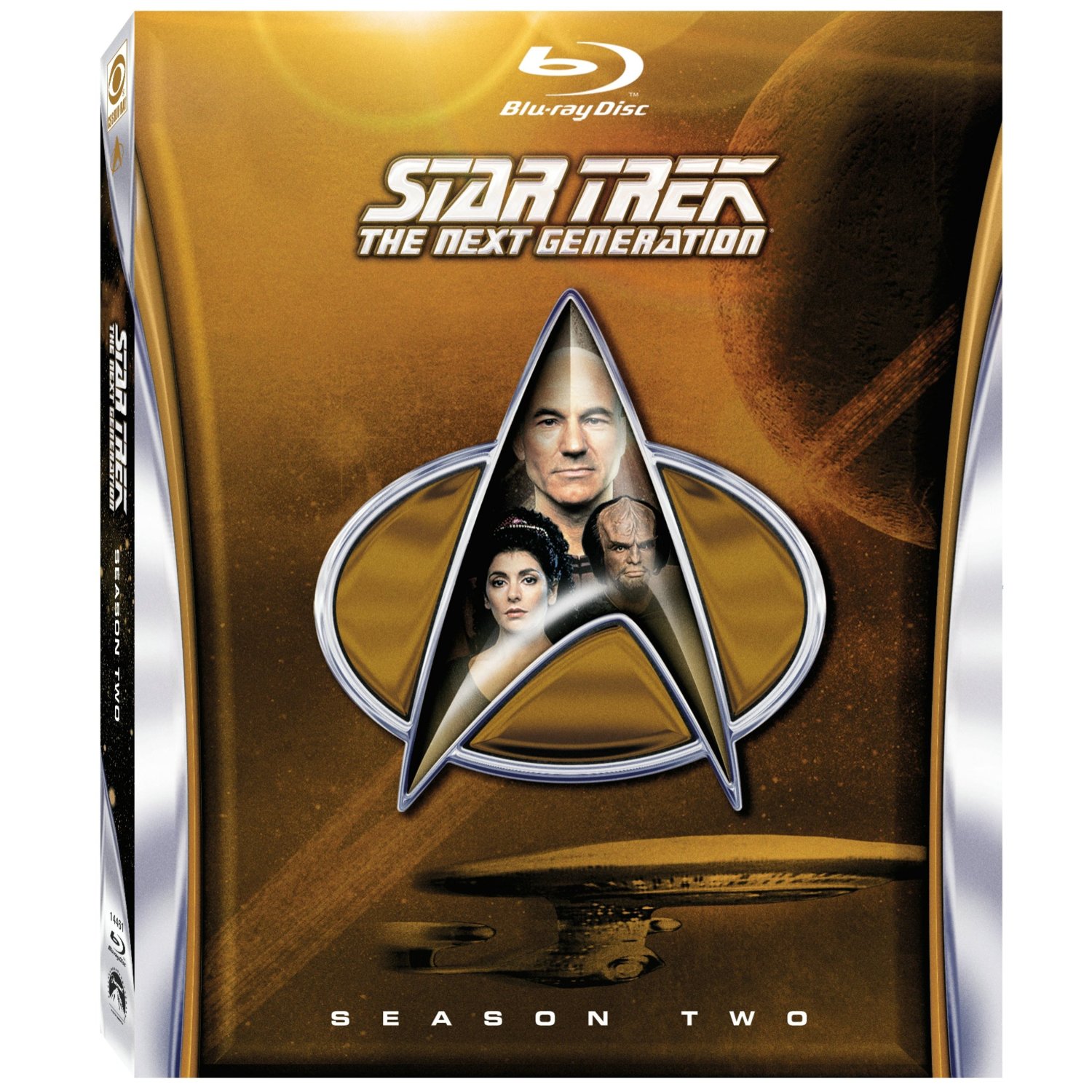
It was the best of times; it was the worst of times. No, this is not a Charles Dickens review. It very accurately describes the second season of Star Trek: The Next Generation. The first season went over much better than anyone really expected. The Trek faithful embraced the series and the new characters. It was now time for the show to find its own feet with a second season. Unfortunately, several things went wrong. The Writers’ Guild went out on strike, and that meant no new scripts. Paramount was even talking about getting rid of the series. That was until someone remembered that this was not the first attempt to resurrect Star Trek for the television screen. In the late 1970's Paramount was preparing to launch its "4th" network. The anchor was to be a return of Star Trek, commonly referred to as Star Trek: Phase Two. All of the original cast would return with the notable exception of Leonard Nimoy as Mr. Spock. The show would basically continue that crew's voyages. Then Star Wars lit the box office on fire. Combined with the scrapping of the network, until later, the television series became Star Trek: The Motion Picture. Spock returned along with two new characters. You might recognize Riker in Decker and, of course, Troi in the Deltan Ilea. The series was no more, but several scripts had been written and shelved. With some tweaking, Star Trek: Phase Two's scripts became Star Trek: The Next Generation's foundation for season two.

(I have covered the first season on this site already so this review shall begin with that one then segway into new write-up for Season 2):

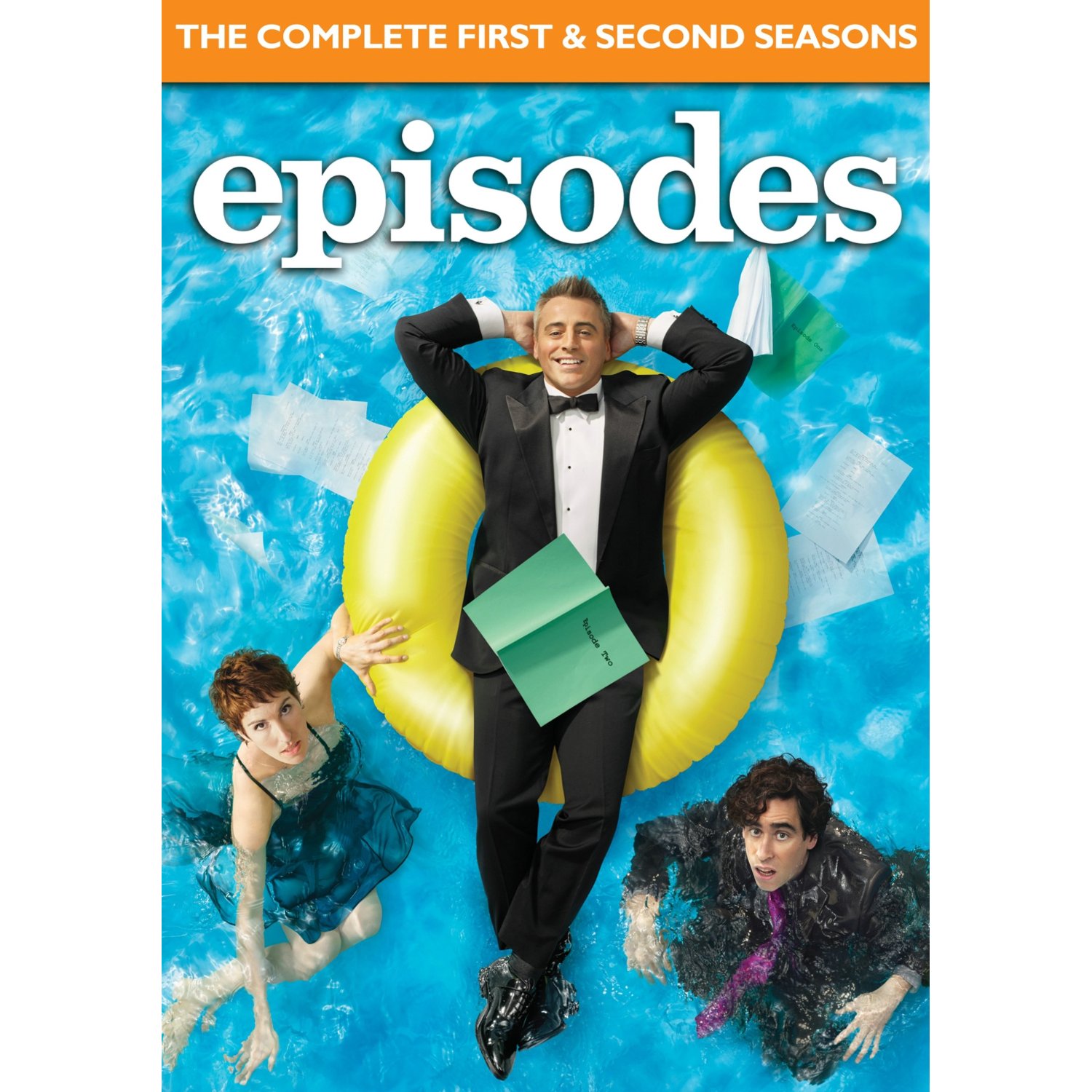
A successful writing team, who also happen to be a married couple, are the creators of an award-winning show in the UK that has just completed after four seasons. An American network wishes to create a US version of the show. The couple are flown to LA, put up in a lavish mansion and are introduced to the Hollywood method of creating television…and it nearly destroys them.

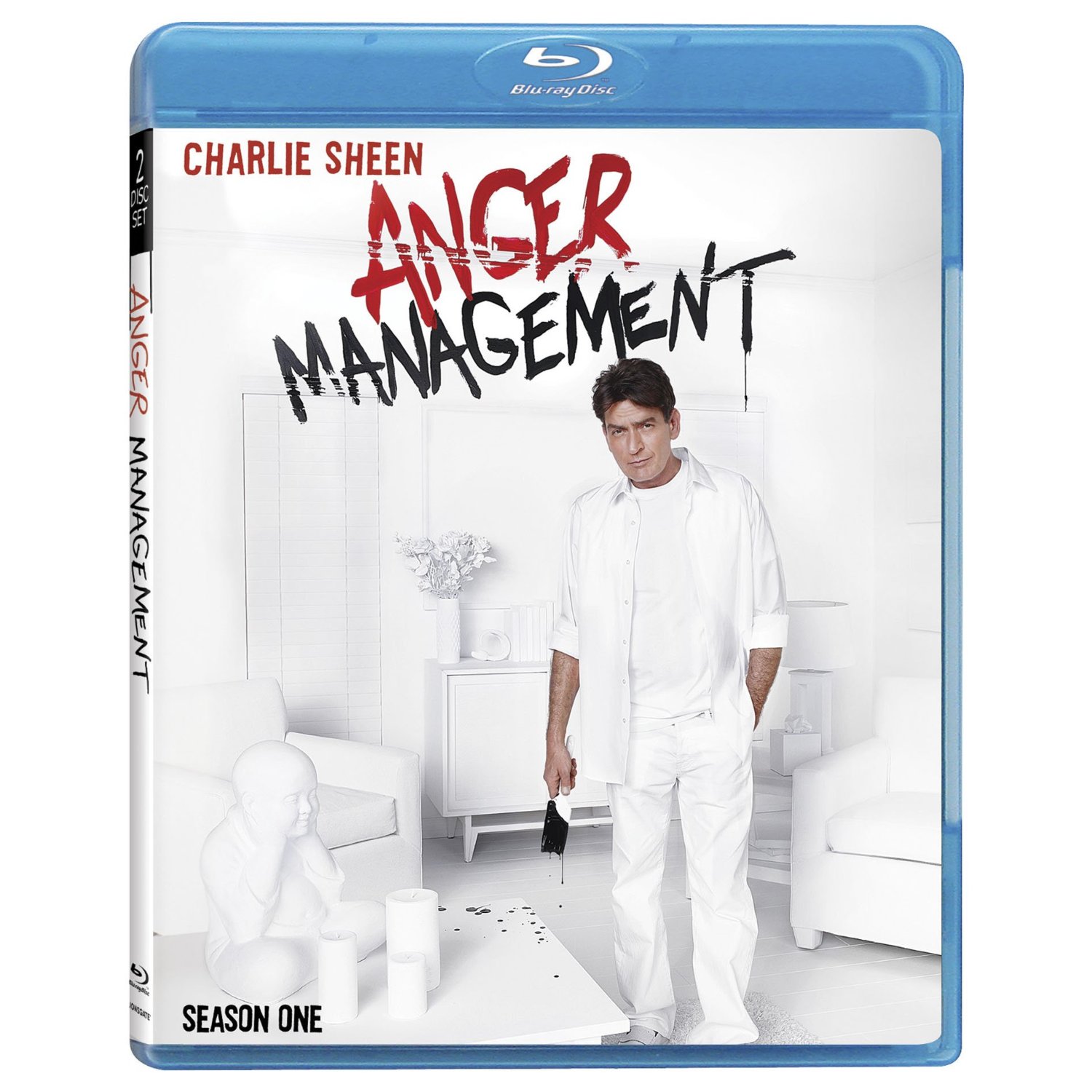
The following sentence is taken directly from the back of the Blu-ray case for Charlie Sheen’s latest small-screen vehicle: “Charlie thrives on the chaos in his life while still battling his own anger issues.” So it’s fair to say FX’s Anger Management isn’t afraid to blur the line between reality and fiction. It’s actually a good move because the latest TV show tailored specifically to Sheen’s talents doesn’t have much else going for it.

Anger Management, created by Bruce Helford (The Drew Carey Show), is loosely based on the 2003 Jack Nicholson/Adam Sandler film of the same name. (And I really can’t emphasize the word “loosely” enough; the only things the two have in common is that one of the characters is an anger management therapist and, um, it features humans.) Sheen stars as Charlie Goodson, activating a little-known clause in his contract that stipulates he can only play people named “Charlie.” In this case, his Charlie is a disgraced former baseball player turned therapist who counsels a motley crew of patients with anger management issues out of his home.

“For every dark, a light. For every foe, a friend. For every question, an answer. For every key, a lock.”

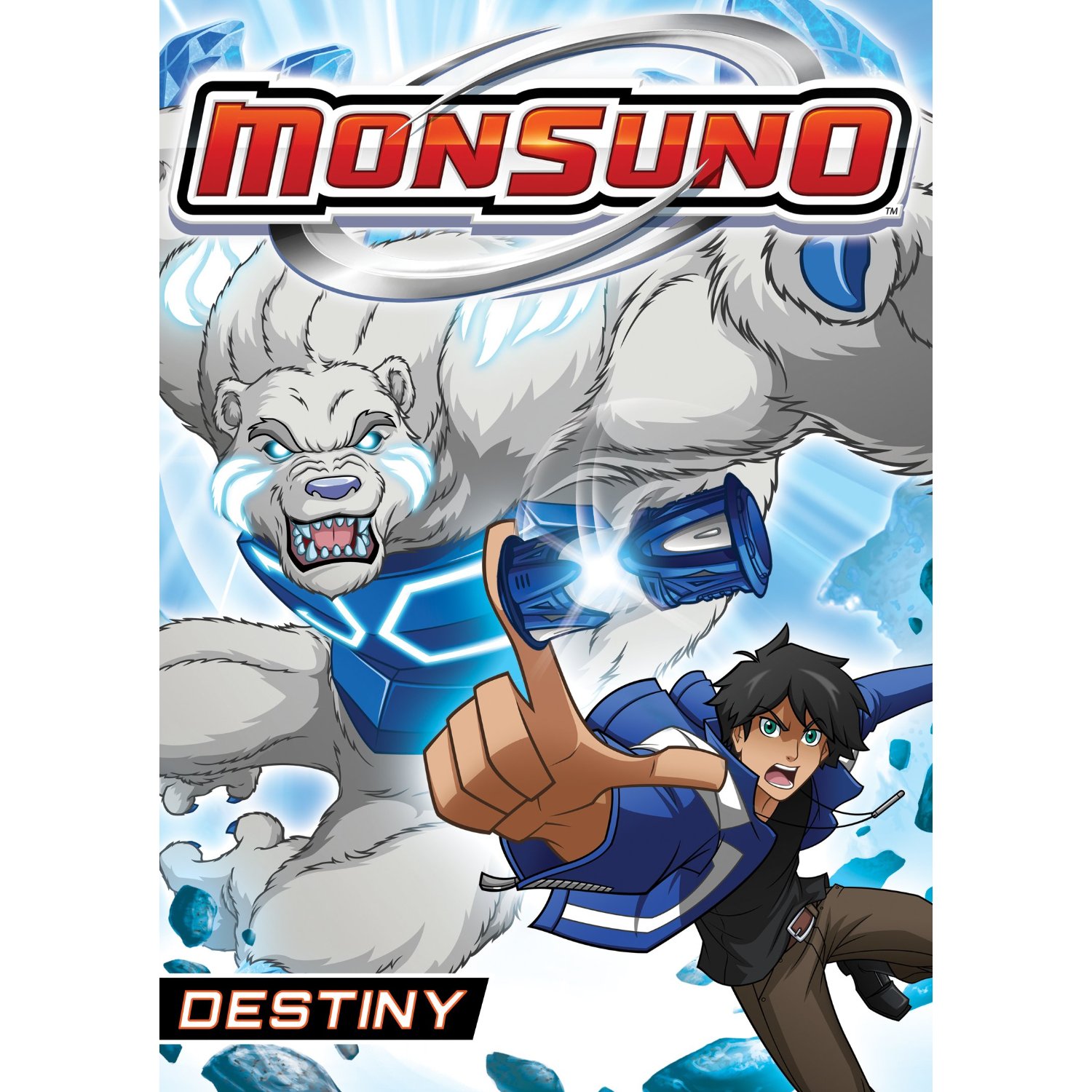
And for every kid-centric animated program, a lucrative line of tie-in toys. Monsuno borrows liberally — the nicest way I know of saying “rips off” — from previous phenomena like Beyblade, Pokemon and Yu-Gi-Oh! Though it primarily exists to help sell derivative trading cards and action figures, the show establishes a surprisingly intriguing world in its first handful of episodes.


“Amidst the chaos of an unforgiving planet, most species will fail. But for one, all the pieces will fall into place and a set of keys will unlock a path for mankind to triumph. This is our story.”

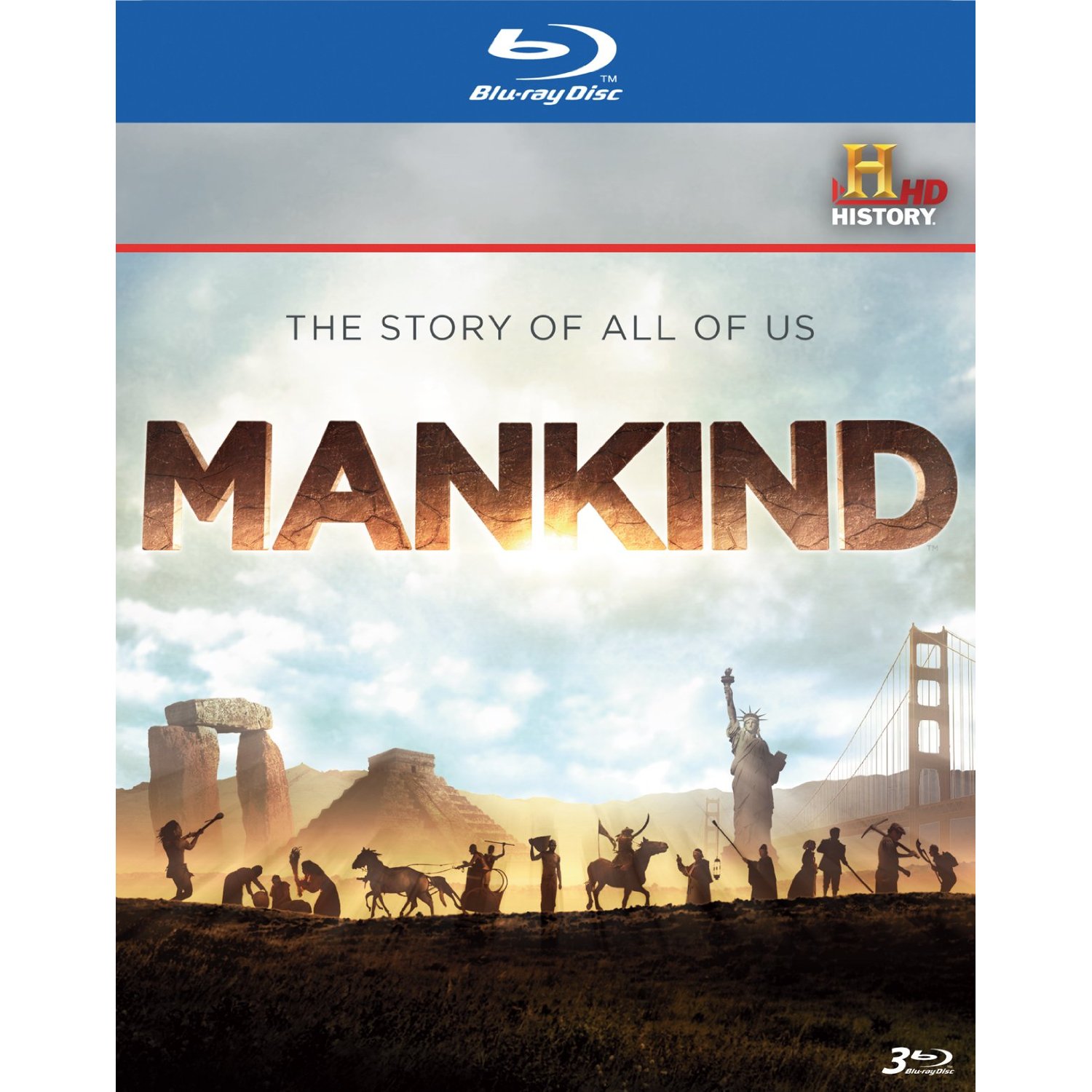
The only thing missing from that bit of grandiose narration — which opens each episode of this 12-part series — is a Law & Order-style *chung, chung.* Mankind: The Story of All of Us starts with a bang (as in the “Big” one) and proceeds to give us a lively, surprisingly cinematic history lesson.

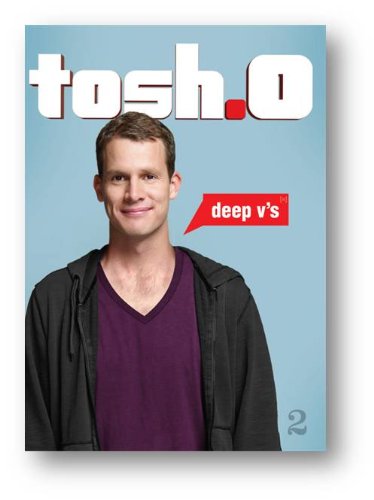
The debut season of this Comedy Central program was entitled "Hoodies" on it's DVD and Blu Ray release. Season 2 is called "Deep V's" in honour of the garment Daniel Tosh, the host, wears in each episode. Very little is different as far as format or new segments are concernced since the last time I wrote about this show (https://upcomingdiscs.com/2012/06/05/tosh-o-hoodies-blu-ray/. To avoid redundancy I shall simply add to that review with a couple new relevant points for this season.

YouTube had all but killed off the idea of mailing silly home videos to the likes of America’s Funniest Home Videos. These days, people prefer to stream dozens of videos on their computers and save themselves from the watered down jokes of Bob Saget or current host Tom Bergeron. Tosh.O takes a similar format of displaying such silly videos, but focuses on things that have gone “viral” online. Like AFHV, Tosh.O adds their own commentary and sketches to the presentation but in a much more crass, cable-savvy manner.

I’ll say this about a program that has remained  consistent in quality for twenty seasons…it makes for challenging reviews. Talking about each season of Gunsmoke is difficult in that you either write briefly to try to avoid redundancies, but might seem too hasty, or you have to labour over each episode, in which case, you’re only going to have hardcore fans paying attention. Since this website has touched on previous seasons: ( https://upcomingdiscs.com/?s=gunsmoke ) I shall opt for the former option, and hope y’all out there catch that I’m not being hasty…but respect a show that warrants no fresh complaints after 7 years a-runnin’ thus far.

The most obvious change to the show that happened in this Seventh Season is expanding from half and hour to a full hour for each episode. This can be a great challenge for a show that was not originally created in this format. Doubling the length of each episode has allowed for more focus on developing the guest characters. There are no major plots that overlap several episodes so we can see how the hour long format aids this type of show, as well as helping to lay the groundwork for hour-long adventure and/or crime dramas to follow.