DTS HD 5.1 MA (English)

Lost River is the showy, laborious, mystifying feature filmmaking debut of actor/meme machine Ryan Gosling. Unfortunately, you’re more likely to have heard about the intensely negative reaction the movie received when it premiered at Cannes last year, than you are to have actually seen the film. Lost River now arrives on a bare bones Blu-ray that does little to clear up — or enhance — Gosling’s first foray into directing. So we’re left to assume he simply decided to make a movie out of his dream journal.

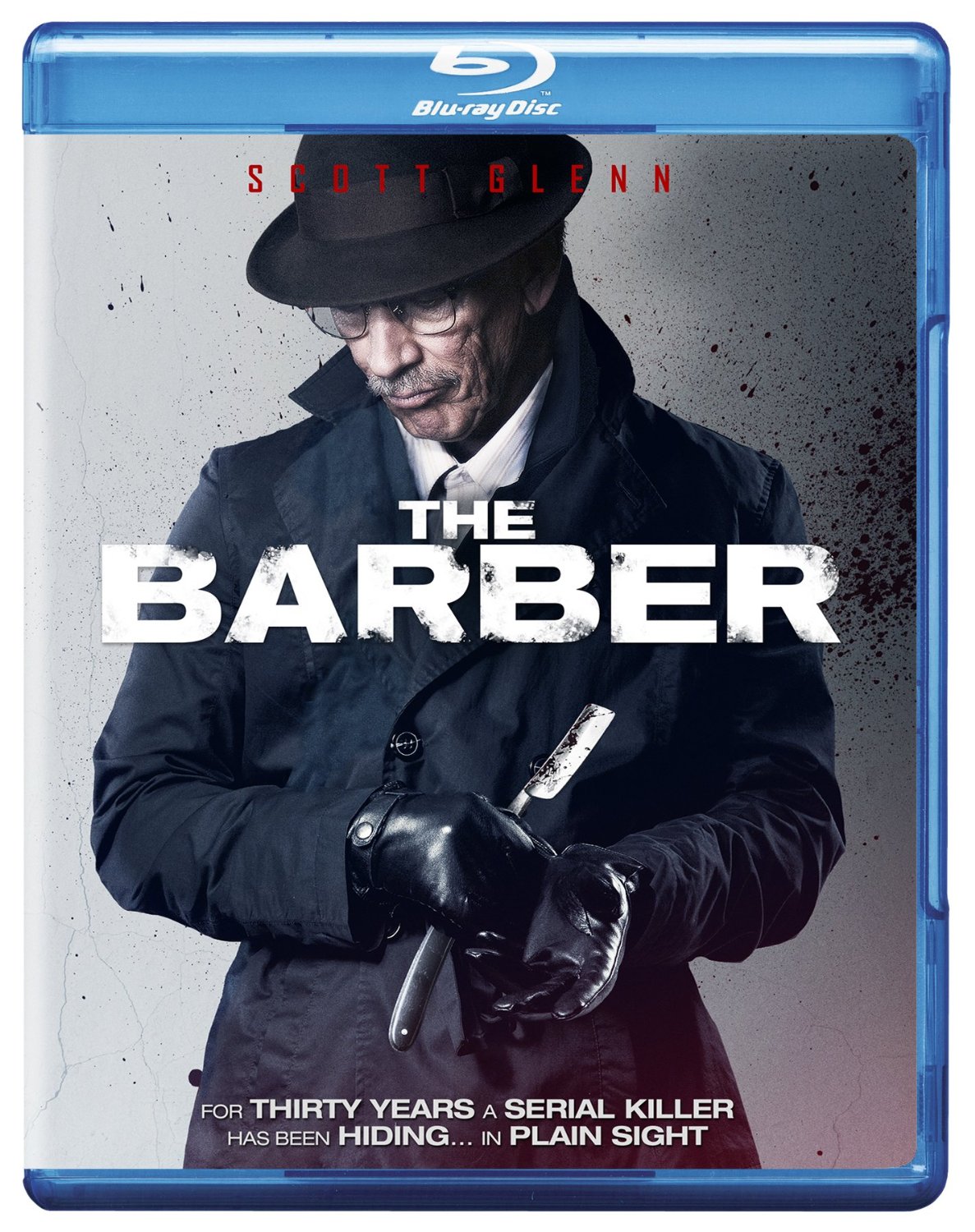
"It's the guy next door, guy who sits too close in the theater, maybe even at church. Plain, ordinary, the everyday man. That's the guy they should be afraid of. 'Cause they never see him coming." 

Or maybe the friendly neighborhood barber. Max Enscoe's screenplay for The Barber appears to touch on those fears. We've all seen those interviews with neighbors and friends after a particularly heinous killer is finally caught. He was quiet. Always went to church.

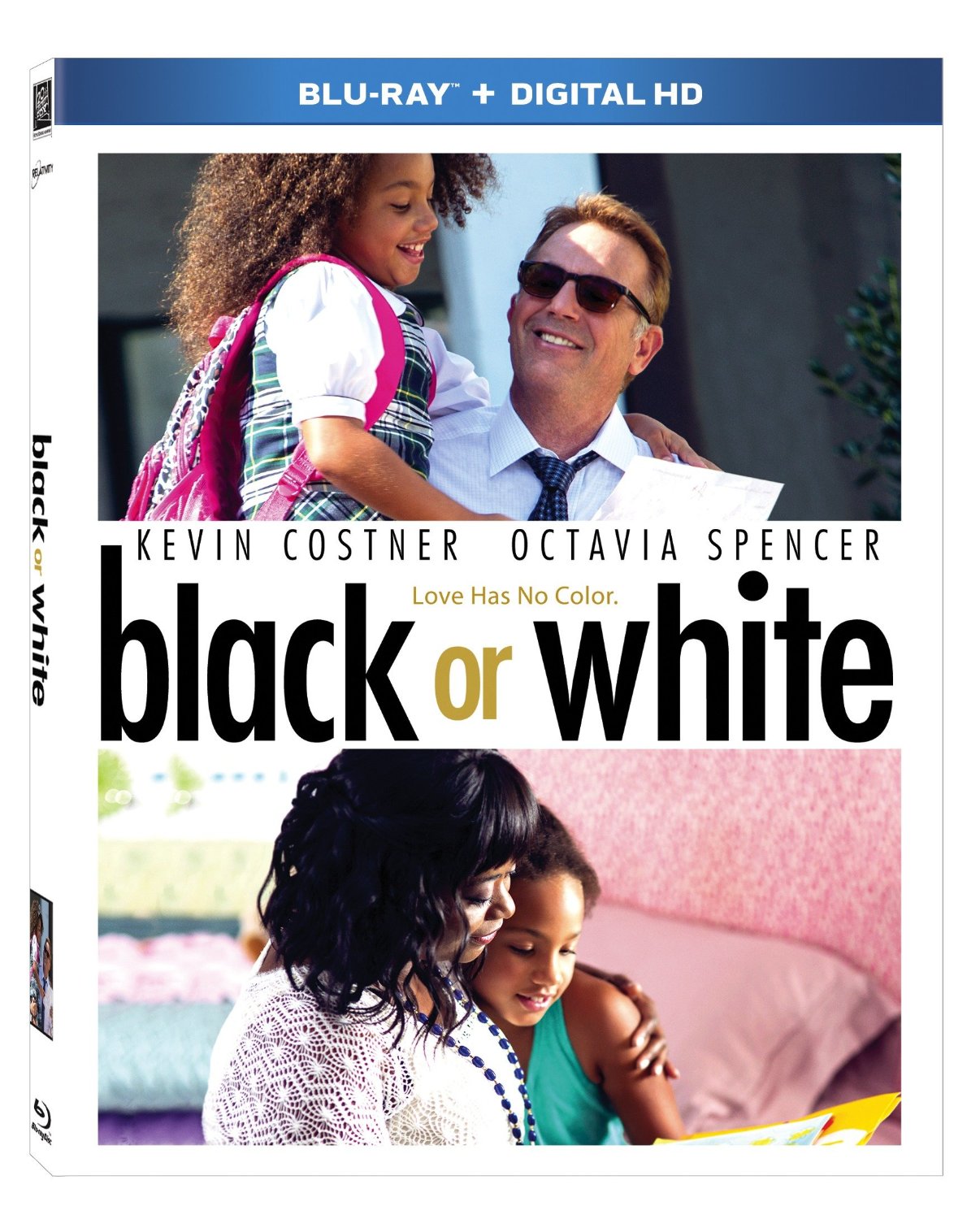
There are certain things that are obvious to some of us, and nobody wants to talk about them. All people are full of weaknesses that they then try to deny exist. People are people, but some people think they are better than other people. It seems obvious that we should all try to get over our hatred and be more accepting of all our differences and see how much alike we all are. Black or White is an important movie that comes in the form of a fun and heartwarming melodrama. The movie navigates through very murky and unexplored waters and comes out the other side triumphantly.

“It’s like being kids again. The streets are our playground.”

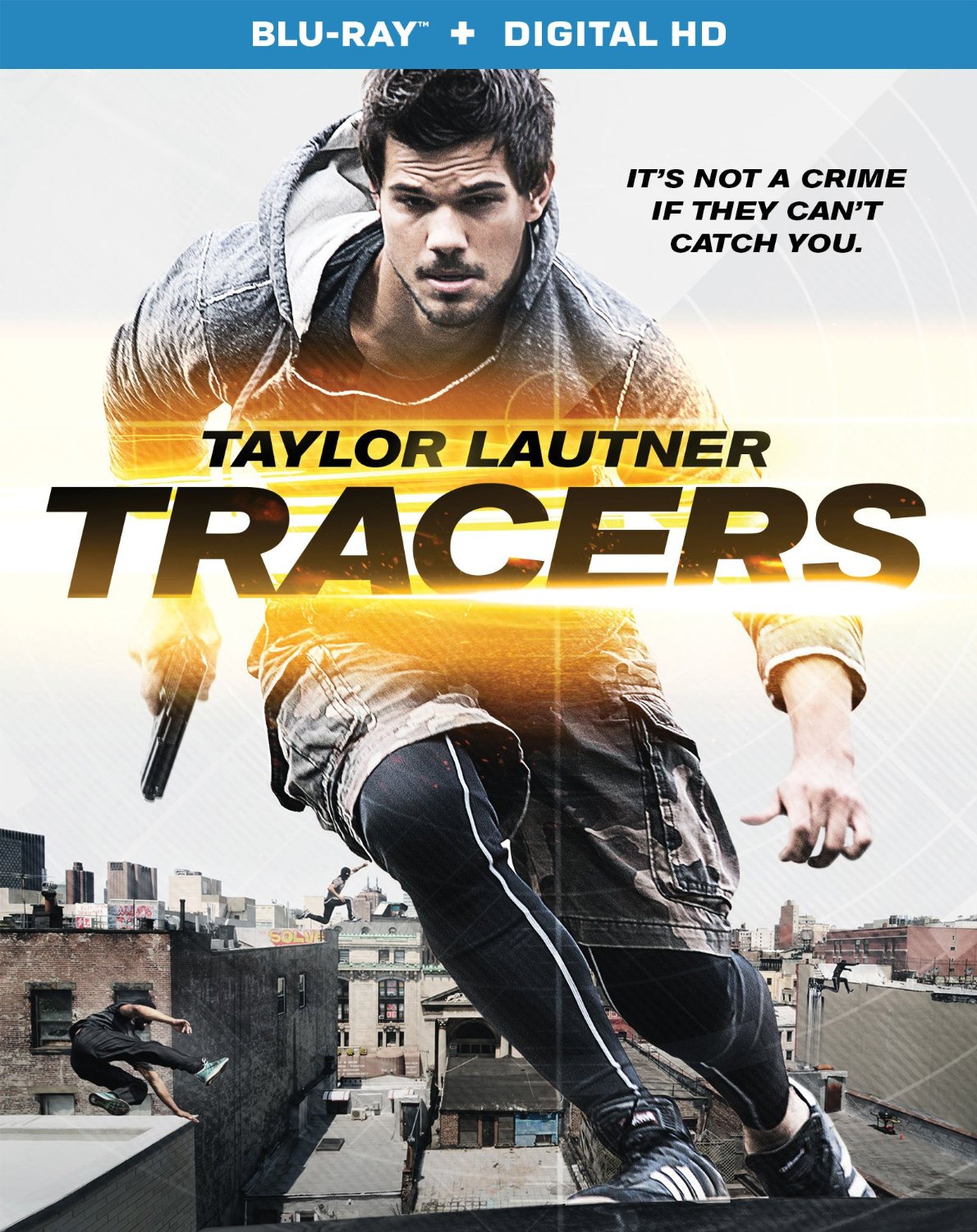
The above quote refers to parkour, the art and discipline of moving through urban spaces that was popularized in France. French practitioners of parkour are called “traceurs,” which gives this totally clichéd, consistently ridiculous, but occasionally breathtaking action flick its title. You’ve seen the plot before (many times), but Tracers still vaults itself above the straight-to-DVD pack thanks to its freewheeling free-running sequences.

“I need to know what you are worth when I leave you nothing.”

These are the parting words that Jim Bennett (Mark Wahlberg) is left with from his dying grandfather.  At first these words may seem a bit harsh, but the more time we spend with Bennett we start to understand the grandfather’s intentions.  The Gambler, a remake of the 1974 film with same title, follows Bennett along his downward spiral as his gambling addiction drags him down to the point where death is imminent, yet death seems to be the escape Bennett so desperately craves.  In other words, this is not exactly the film you watch to get into the holly jolly spirit of the holidays. 

"You do know the combination, don't you?"

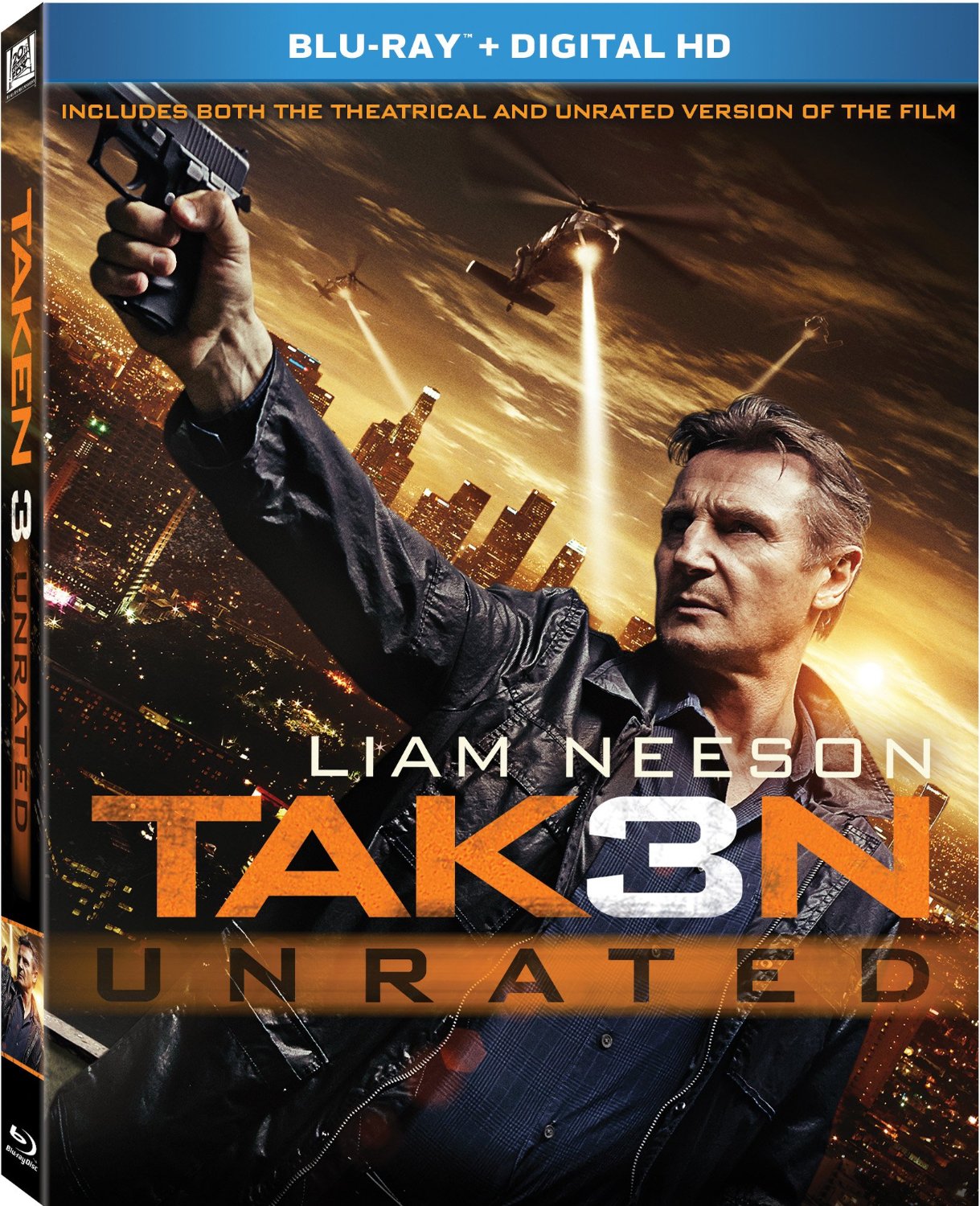
It's a Taken film, and the third one in the series. You should have the ingredients down by now. Let's run through the checklist, shall we? You've got your daring escapes, check. You have some awesome car chases with a lot of mashed-up metal, check. You've got some torture, of course. Waterboarding is in these days. You have the standard carnage level, check. And check. It's all there, but credit the folks behind the franchise for finding ways to deliver every last drop of the expected stuff and still turn the third part of a trilogy on its head enough to make it more interesting than the previous two films.

Inherent Vice is the kind of movie I personally love to watch over and over again, partly because it is always tantalizing you with content that you can't quite get your head wrapped around. Almost anyone would want to see this more than once, even if only to make sure they weren't stupid for not connecting all the dots. The film has a classy, fun pedigree combing the talents of Paul Thomas Anderson and Thomas Pynchon. Paul is the beloved director of modern classics like Boogie Nights, Magnolia, and There Will Be Blood. Thomas is the novelist of unfathomable masterpieces

Despite being one of the most successful actresses in Hollywood for the better part of 20 years — Friends premiered in 1994 — it’s been all too easy to dismiss Jennifer Aniston’s big screen resume. Until recent sexpot roles in broad comedies (We’re The Millers, the Horrible Bosses two-logy), most of her hits (Bruce Almighty, Along Came Polly, The Break-Up, Marley and Me) were girlfriend/wife roles that didn’t stray too far from the Rachel Green mold. Cake made less than $2 million at the box office, but it’s also the first movie that made me excited about Aniston’s movie career.

"There's something I need to tell you. We're building a weapon. It's not like any weapon the world's ever seen. It draws its energy from a fast-neutron chain reaction. It releases the power of an ancient star. If it works, and it's going to work, it will be the more destructive than all the bombs dropped in all the wars in history put together. It'll bring armies to their knees. Cities will disappear in the blink of an eye. The world will be united in peace by the most just and noble country in the history of mankind or it will burn to the ground. Whoever builds it first, there's the endgame. So it has to be us, whatever it costs."

It's one of those dramatic stories where mankind is altered forever.

“Finish that sentence…why do I have to walk a thousand miles?”

The answer to that question probably won’t satisfy everyone who watches Wild, which is based on Cheryl Strayed’s first-person chronicle of her 1,100-mile hike from the Mojave Desert to Oregon. To some, there simply isn’t a compelling enough excuse to ditch your responsibilities and go on an extended journey of self-discovery. The reason Wild works — besides career-best work from its Oscar-nominated star — is because the ultimate explanation is something simple that most people can relate to: Strayed walked more than 1,000 miles to prove she could do it.