Sci-Fi / Fantasy

“Fee, Fi, Fo, Fum, ask not whence the thunder come. For between heaven and earth it’s a perilous place, home to a fearsome giant race. Who hunger to conquer the mortals below, waiting for the seeds of revenge to grow…”

Jack the Giant Slayer is the mash-up adaptation of two classic fairy tales; Jack and the Beanstalk and Jack the Giant Killer. Now adaptations are big business in today’s industry, but is combining two different source materials wise, or a recipe for disaster?


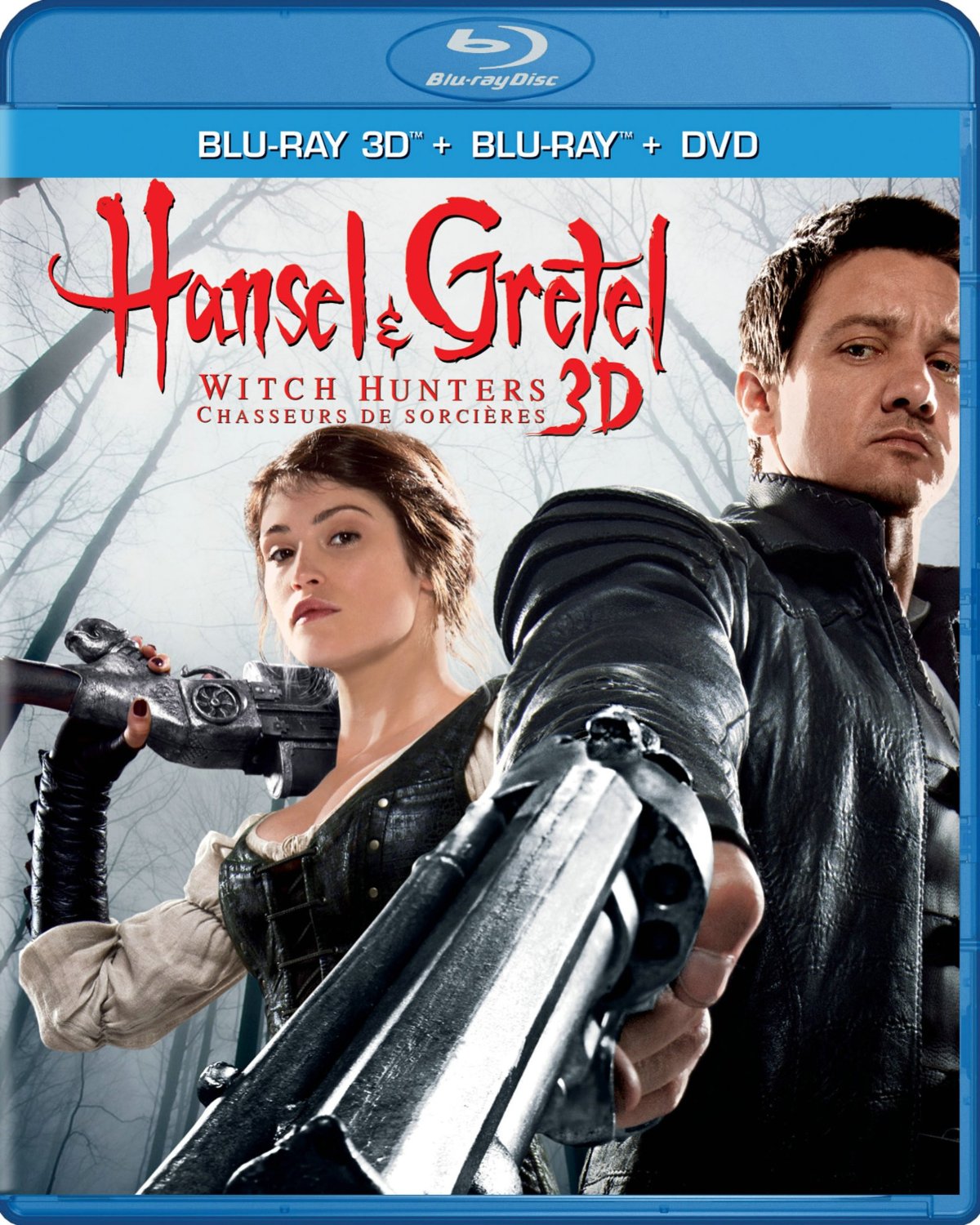
Hansel and Gretel, everyone has heard of this fairy tale, right? The Brothers Grimm tale about a brother and sister lost in the woods who come across a house made of candy. They go inside and are soon captured by a witch who goes about stuffing them with candy to fatten them up to be slaughtered. Somehow the cunning pair manages to escape their shackles, and while the witch is distracted with the oven, they push her into the oven and destroy her. We have all heard the tale, but what happened afterwards?

"You're capable of more than you know."

Walt Disney was always fascinated with the world of Oz. After his Snow White experiment proved that fantasy films were economically possible, he was planning to journey to Oz next. Unfortunately, he was a victim of his own success. It was the very box office magic that Snow White brought in that inspired MGM to purchase the rights to The Wizard Of Oz and create their iconic film. Because of that turn of events, the rights were not available for Walt and his magic studio.

I don’t like remakes for probably the same reasons you don’t like them — they’re lazy and creatively bankrupt — but I’m also not completely against the idea of revisiting an older film. When the older film isn’t a beloved classic that shouldn’t be touched or when a story can be more effectively presented using technology that simply didn’t exist when the original movie was made, remakes aren’t such a bad idea. By those standards, 1984’s The Philadelphia Experiment is actually an excellent choice to receive the remake treatment. And that’s why I’m so disappointed to see it go so wrong.

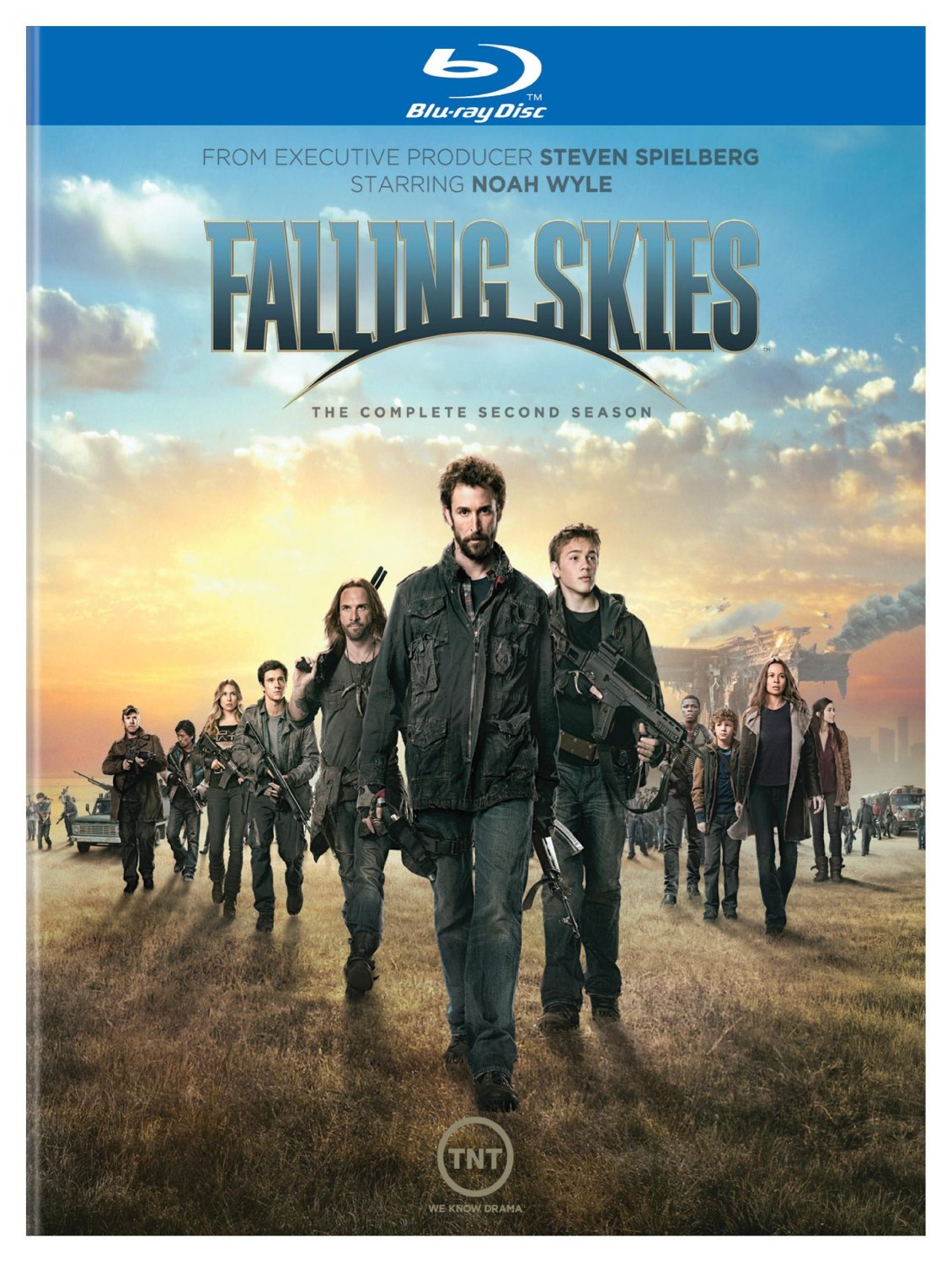
Bringing big-screen action and spectacle to the small screen is almost always a losing proposition. (A moment of silence for Terra Nova.) It’s just too hard to maintain on a week-to-week basis over the course of multiple seasons. Falling Skies — which, like Terra Nova, counts Steven Spielberg as one of its executive producers — may not be terribly original, but it’s one of the more successful attempts at consistently bringing large-scale thrills to television.

“Two possibilities exist: either we are alone in the universe or we are not. Both are equally terrifying.”

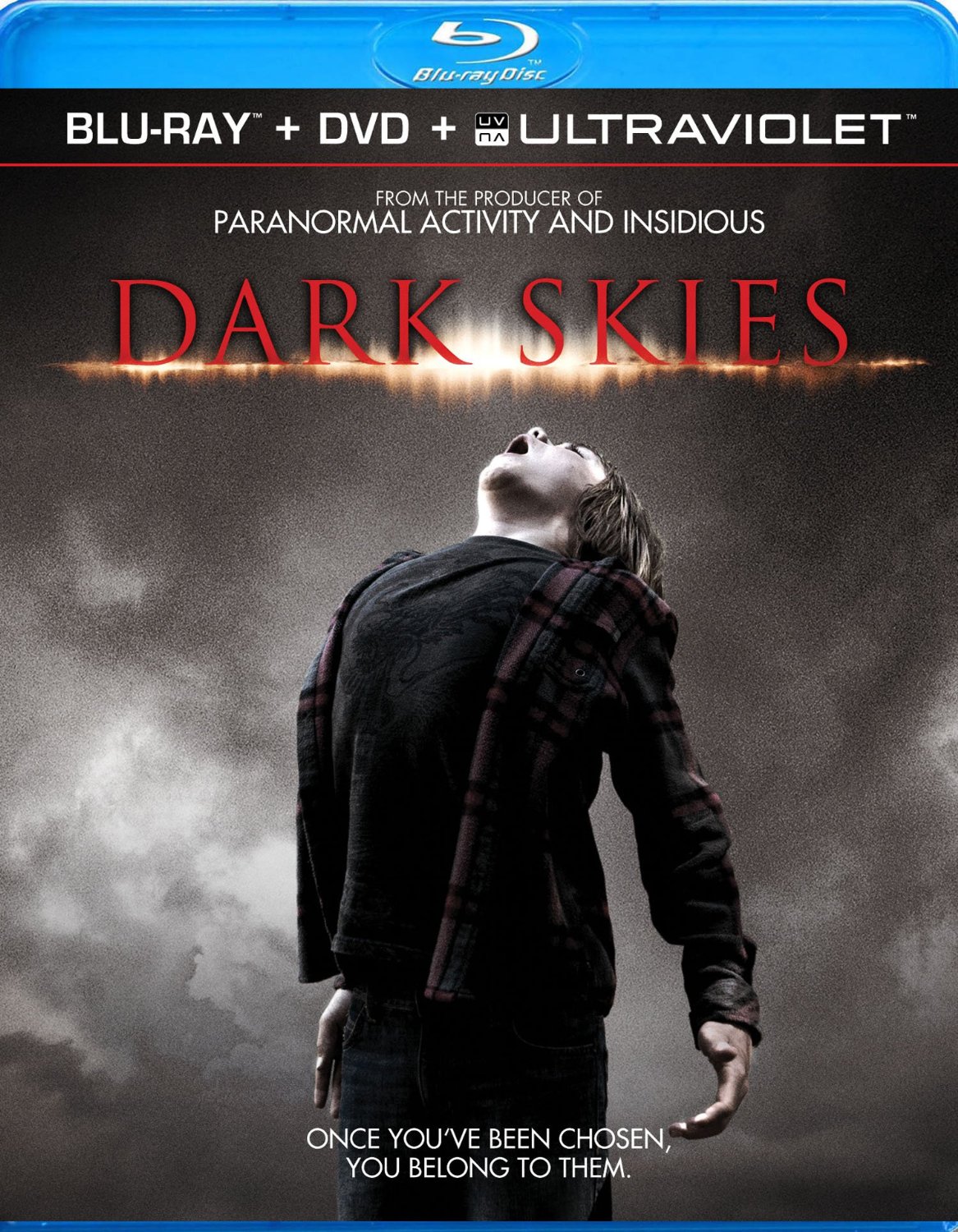
Just in case the film’s title wasn’t a big enough clue, this opening quote from famed science fiction writer Arthur C. Clarke makes it abundantly clear the domestic disturbance in Dark Skies won’t be caused by grumpy ghosts or a dastardly demon. This effective little sci-fi/horror movie follows the low-budget template established by recent hits like Insidious, Sinister and the Paranormal Activity franchise, but looks to the not-so-friendly skies for its source of terror.

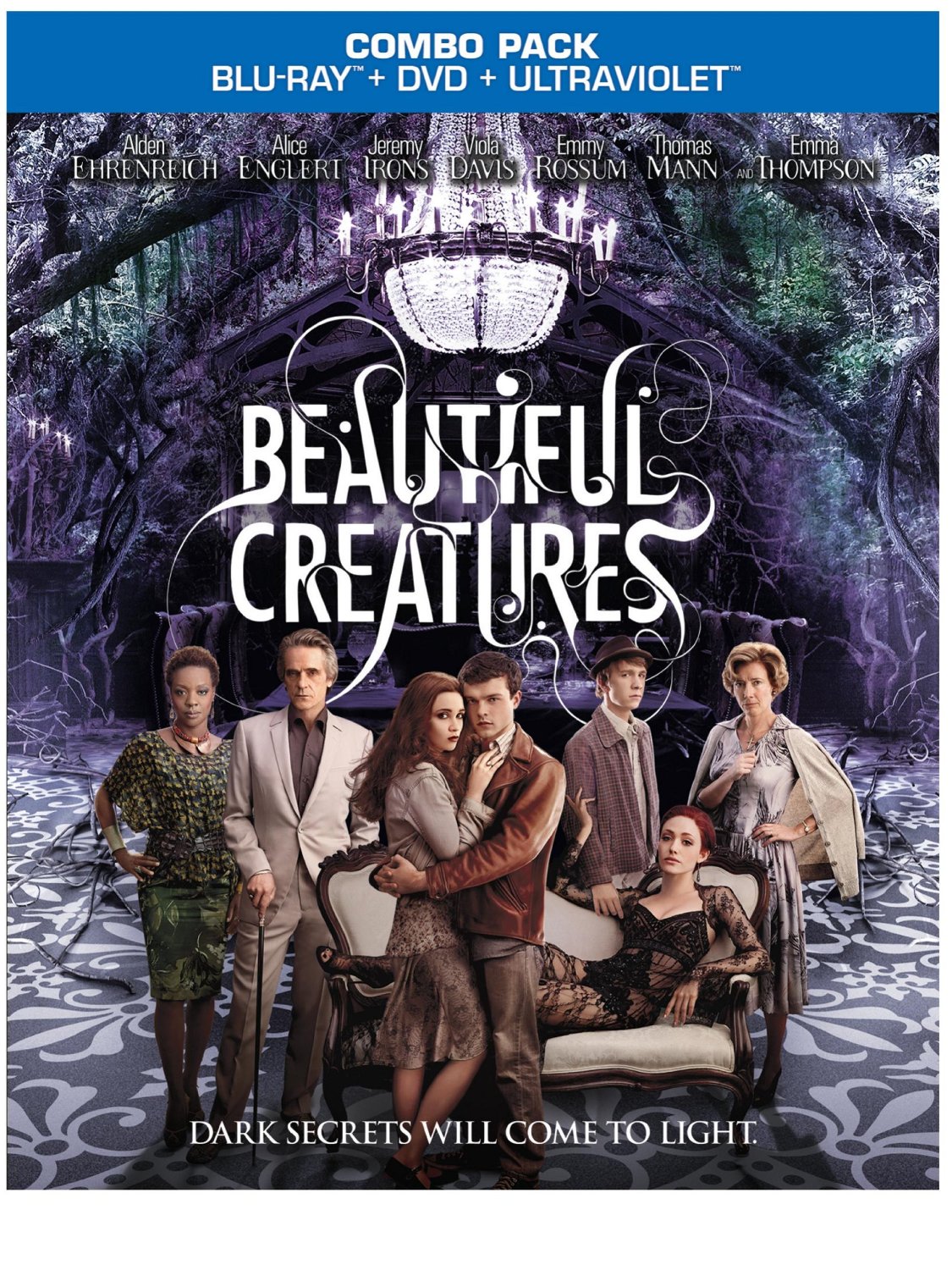
The conclusion of the wildly popular Twilight saga last fall left a nation of haters high-fiving each other, but it also created a giant, heart-shaped vacuum in Hollywood. Where is the industry’s next big young adult-oriented, human-on-supernatural romance franchise going to come from? This past Valentine’s Day was as good a time as any to find out if Beautiful Creatures — based on Kami Garcia and Margaret Stohl’s “Caster Chronicles” series — was up to the task.

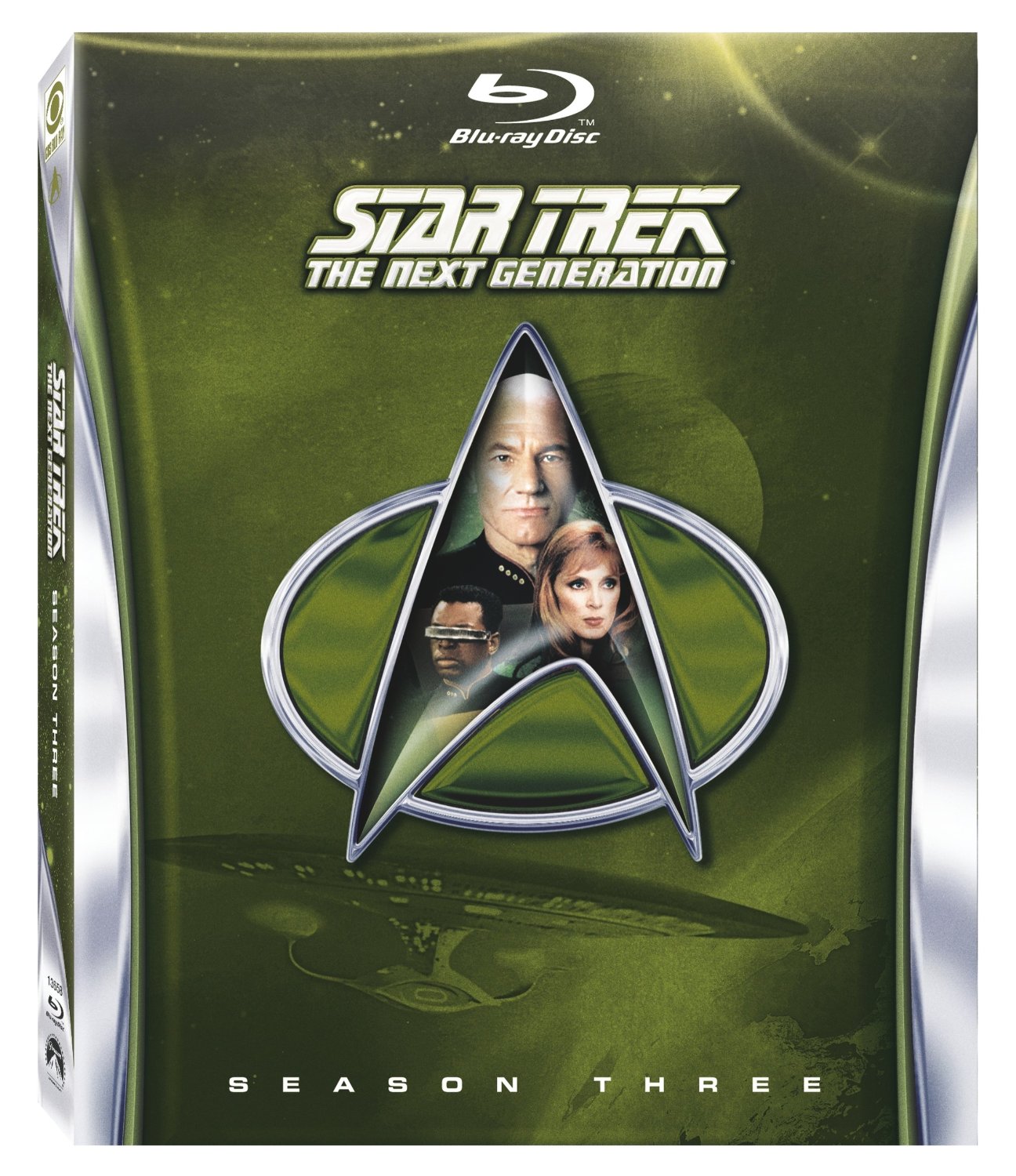
"Space... the final frontier. These are the voyages of the starship Enterprise. Its continuing mission, to explore strange new worlds. To seek out new life and new civilizations. To boldly go where no one has gone before."

When the first season of Star Trek: The Next Generation beamed into our living rooms, I was quite impressed with the quality of work that was done to bring the next generation of Star Trek into the next generation of home video.

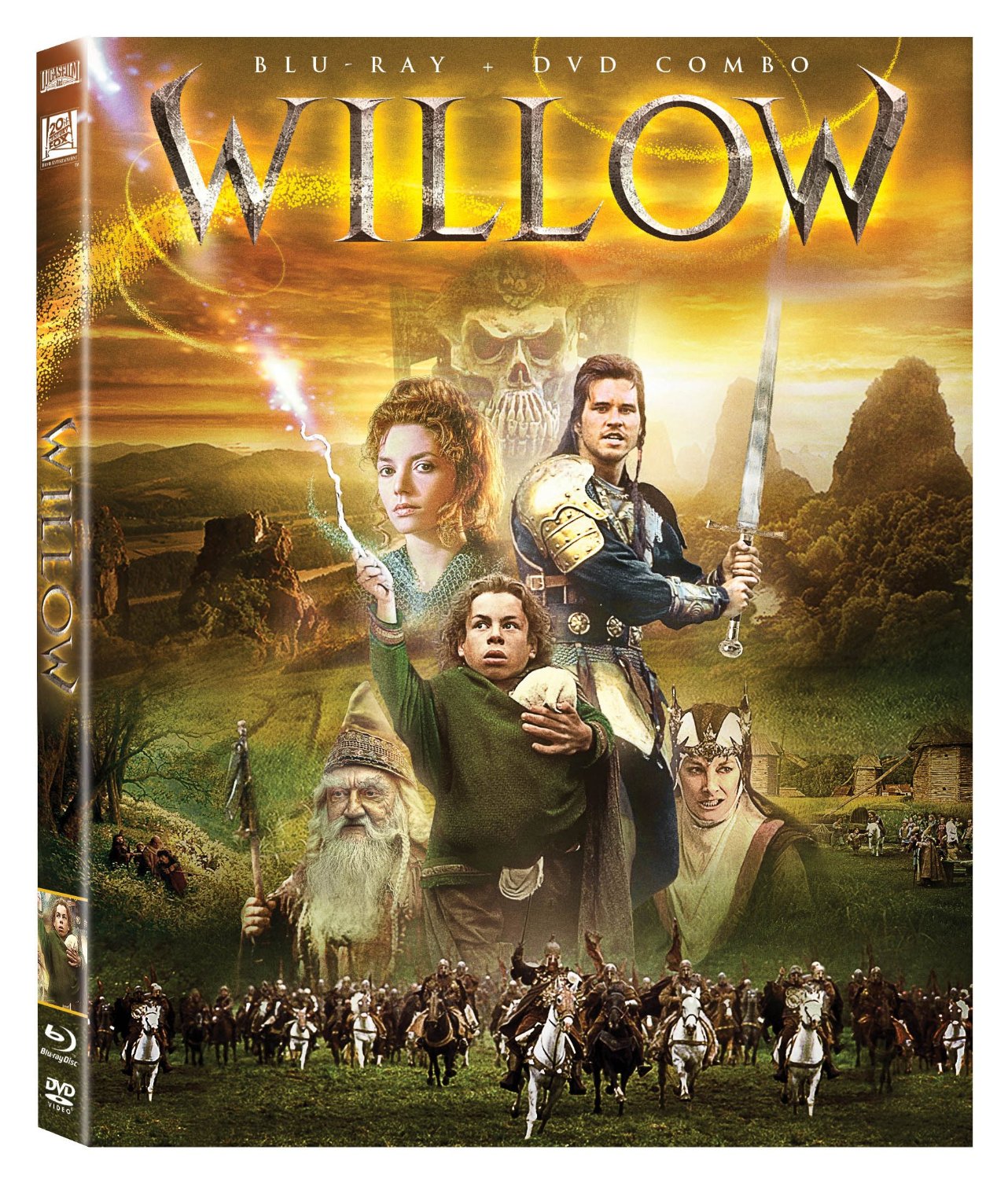
 Looking back, it’s amazing how far visual effects have come since 1988.  I can remember sitting in the theater watching Willow for the first time and believing everything I saw up on the screen wasn’t the work of movie magic, but I believed it to be reality.  Perhaps some far off land where there are swordsmen fighting evil sorcerers and trolls lurk in the shadows of abandoned castles.  This is a thought I’d like to believe I’m not the only one that hoped this was a reality, but if I am I’m fine with that.  Willow came out at a time when Hollywood was trying to bring large-scale fantasy to the screen with other releases like Excalibur, Legend and Conan. 

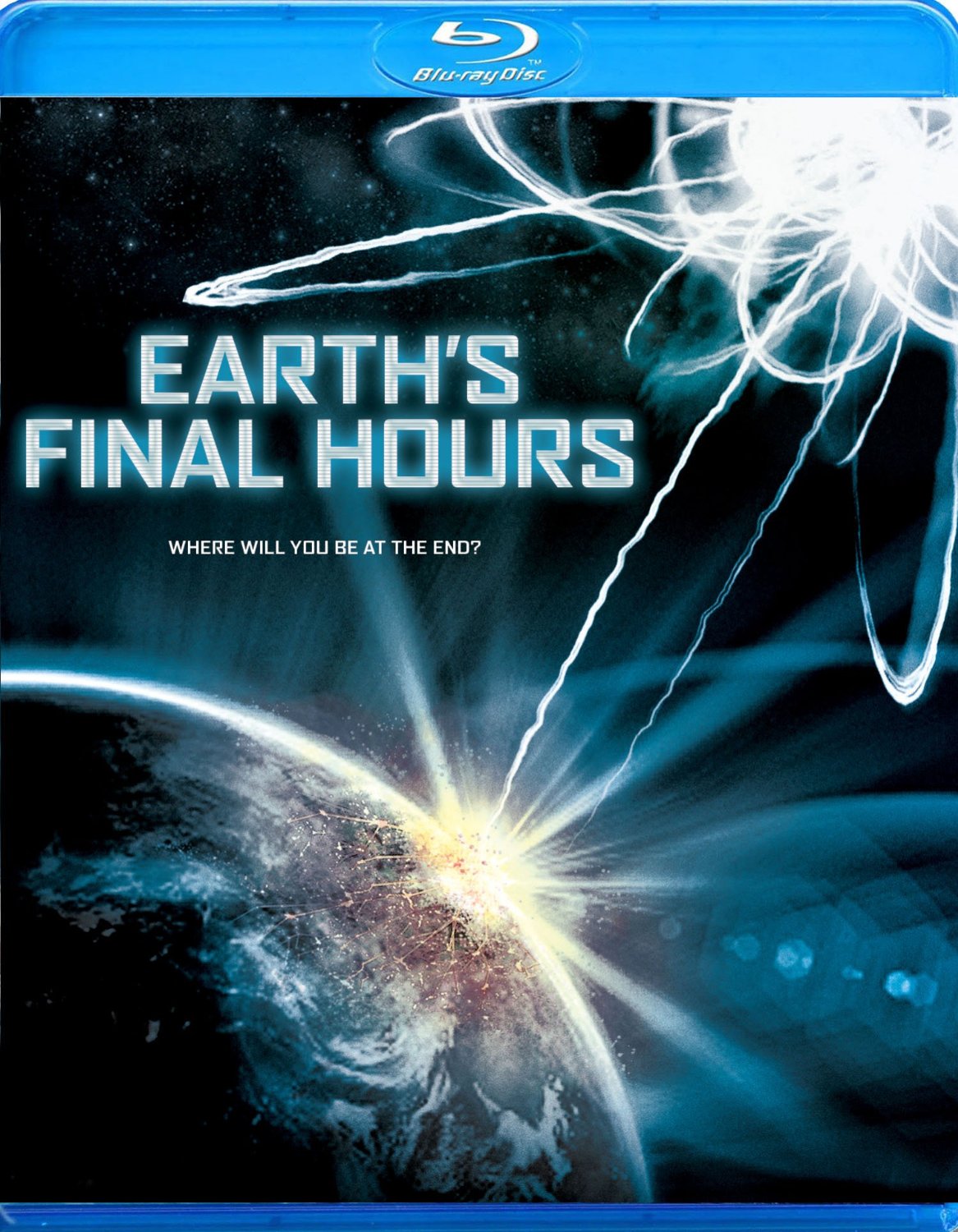
“Why save a few when we can save them all?”

An excellent question; have you ever noticed that in disaster films as soon as an apocalyptic event is discovered, plans go into motion to protect the elite such as the president, his cabinet, and a few select others while the rest of the world is left out in the cold to be lambs to the slaughter? Well, in Earth’s Final Hours, the lambs fight back, working to save the many rather than just the few.