Studio

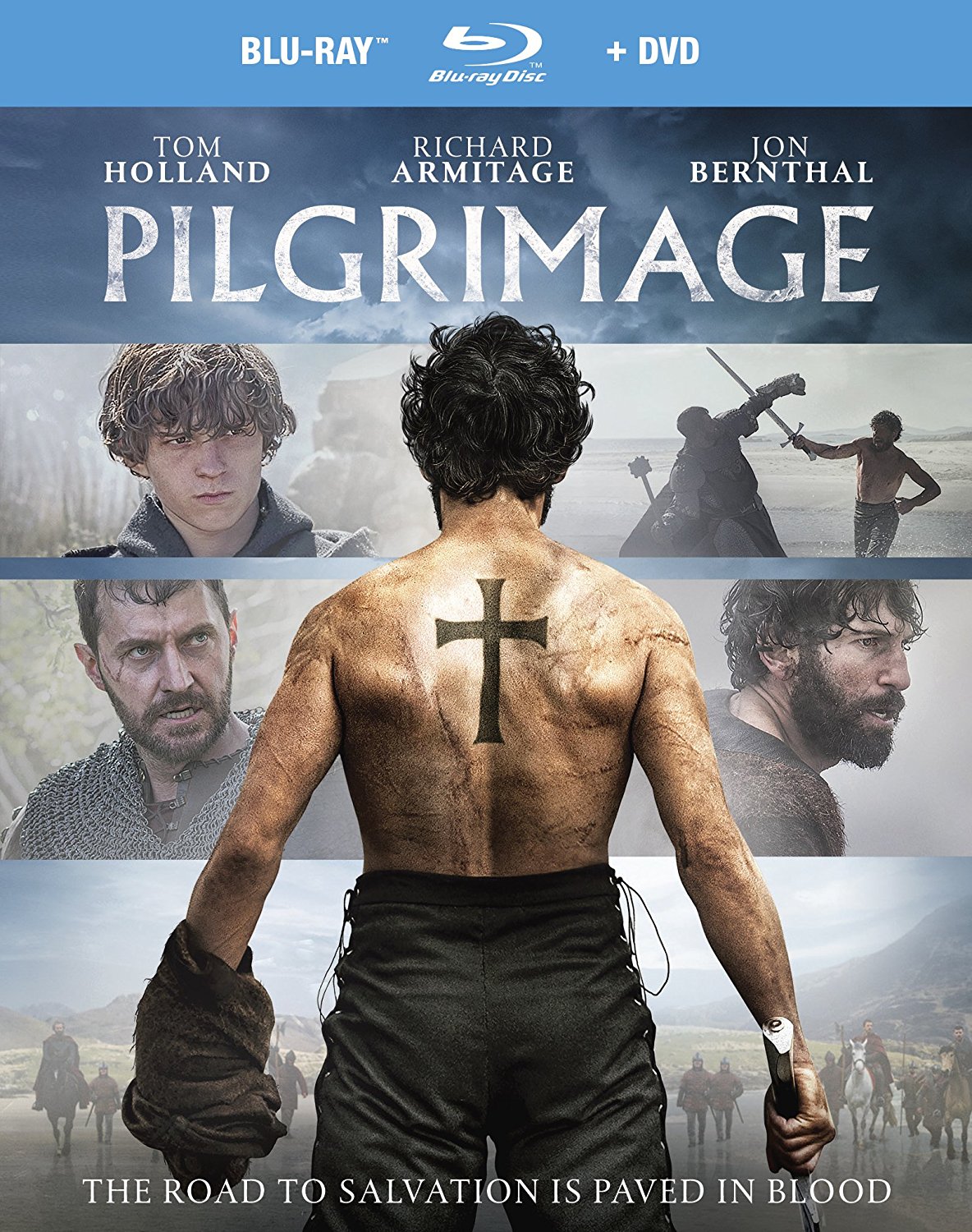
For a gritty historical epic to get the green light these days, it has to have some sort of easy-to-understand hook. (“Hey, it's sexy King Arthur!”) And it seems like enough people complained about the prevalence of PG-13 action movies that it led to the current boom of R-rated sensations — like Deadpool and the John Wick flicks — that gleefully go to extremes. There is absolutely nothing gleeful about Pilgrimage, and the movie doesn't seem all that interested in hooking the masses (significant portions of the film are in French, Irish, and Latin). In other words, the most striking and impressive thing about Pilgrimage is also what can make it feel like somewhat of a slog: this movie is dead serious.

Pilgrimage opens with a brief, violent prologue in Cappadocia, 55 A.D., where an unnamed man is brutally stoned to death. It's a startling, disorienting cold open...and not just because I have no idea where Cappadocia is without the help of Dr. Google. The movie doesn't bother to explain either, but we eventually learn how this opening sequence crucially ties into the main story, which takes place in 1209 A.D. in Ireland. The nation has been torn apart by centuries of tribal warfare and currently faces the growing influence of Norman invaders.

“Welcome! Everything is fine.”

One of my favorite bits from the dearly departed Inside the Actors Studio involved host James Lipton administering a questionnaire that concluded with "If heaven exists, what would you like to hear God say when you arrive at the pearly gates?" It's a momentous question that often drew a humorous response. The Good Place opens with its main character waking up in the afterlife and being greeted with bright green lettering that says "Welcome! Everything is fine." It's a reassuring sentiment to be sure, but let's be clear: there is nothing just "fine" about The Good Place. This sharp, hilarious, and goodhearted fantasy/comedy is spectacular!

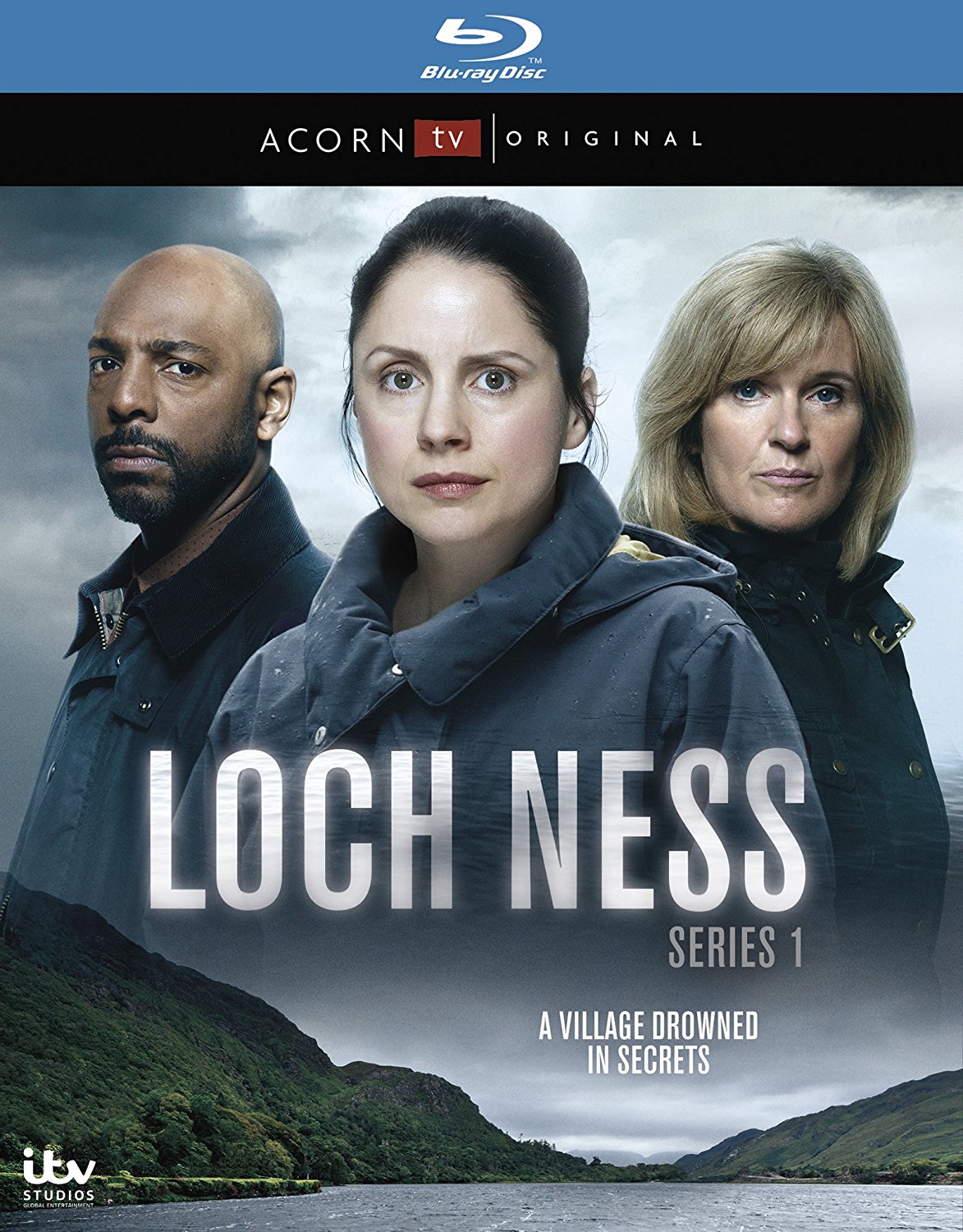
When it comes to hearing the name Loch Ness, just about everyone will think about the giant lake where “Nessie” the mythical monster inhabits. Whether you are a believer or not thousands converge to the Scottish Highlands location in hopes to be one of the lucky ones to catch a peak of the elusive beast. But the Loch Ness I am talking about is a beast of a whole other ilk. Thought the TV series does take place in a small tourist town that thrives on the legend that haunts the cold water, the series instead is about a serial killer that has been unleashed upon the town and given its residents something more to fear other than a giant monster that roams the lake.

A group of friends decide that they want to play a hoax by creating a fake plesiosaur carcass and placing it along the lake shore.  While using fake innards that salvaged from the local slaughter house it is later discovered a human heart managed to somehow get mixed up in the remains.  With a human heart found and no body, this of course sends an uneasy shock-wave through the town. Detective Annie Redford (Laura Fraser) is tasked with leading her first murder investigation in a town that rarely has experienced its share of violence and it doesn’t take long before a body is found (not one that belongs to the missing heart) and it is understood that they have a serial killer on their hands. Investigator Lauren Quigley (Siobhan Finneran) is called in to take lead of the investigation where she also brings criminal psychologist Blake Albrighton (Don Gilet) to assist.

“How many more people will you sacrifice?”

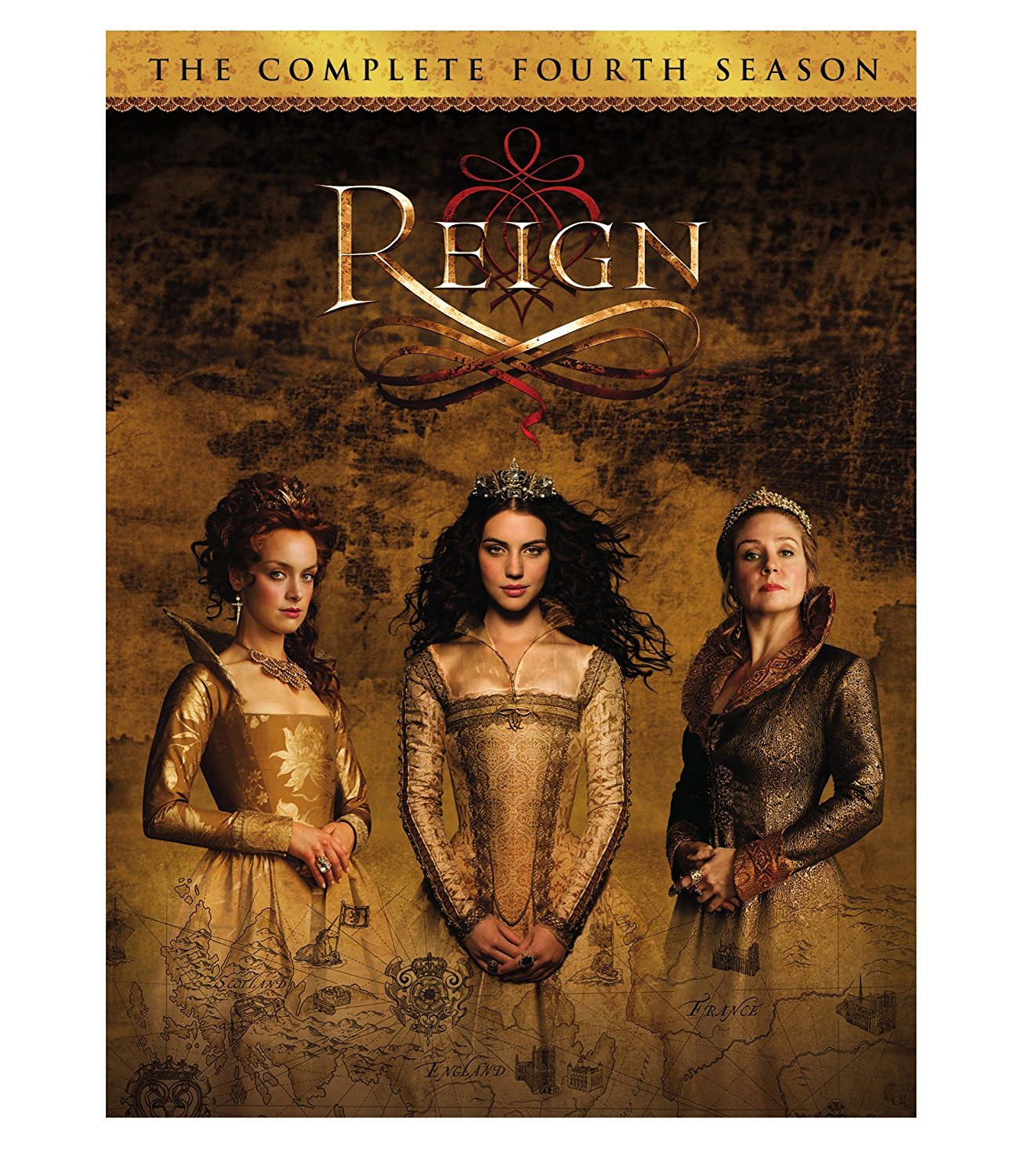
When it premiered in 2013, Reign was an effective bit of counterprogramming for the CW, which continues to be ruled by superheroes, vampires, and other Supernatural beings. Even as Reign appalled historians, the series quickly established itself as a campy and compulsively watchable take on the saga of Mary, Queen of Scots. Unfortunately as the show progressed through Mary’s tragic life, Reign inevitably lost some key players. The result is a show that got more convoluted and less interesting as it limped toward its fourth and final season.

It’s hard to believe it was way back in 1992 when Buffy the Vampire Slayer was first introduced to audiences. It was a title I had missed in the theaters, but I remember picking it up at our local mom-and-pop video store.  With the title being what it was, to go in expecting more than a cheesy horror comedy filled with stakes, fangs, and witty dialog would be on the viewer.  I wasn’t a huge fan of the film when I first saw it. I sort of felt like it was a film that was trying to be Fright Night, but let’s face it, there are very few vampire films that are as cool.  It’s been over two decades since I last visited the film; how does it hold up?  Well, to be honest, it’s grown on me quite a bit.

Kristy Swanson plays Buffy, the vampire slayer that attempts to juggle a social life as a cheerleader while discovering that she is also a vampire slayer.  She’s one of the girls who would fit in perfectly with the girls from Clueless and is the typical 90’s pretty girl, but this film works well at developing an arc that turns her into a badass by the time the closing credits roll.  While she’s more concerned with impressing her friends and trying to stay fashion-forward, we see that vampires are killing off fellow classmates and many others around town.

- “You know what they say...the house always wins.”

- “What if we were the house?”

For the most part it seems the summer blockbusters tend to be sequels, superhero films, or CGI bonanzas that are simply eye candy to get us to the dark auditoriums to escape the heat. It’s rare that something comes along that is so clever and fresh as Baby Driver.  Personally I’ve been a fan of Edgar Wright from the moment I first saw Shaun of the Dead; he was a writer and director who I felt knew how to make films fun. When he was set to direct his dream project Ant-Man, I was excited to see him finally get a chance to do a giant tent-pole studio film, but weeks before filming was set to begin, he got pulled away and replaced. When it was announced he was working on an action-comedy named Baby Driver, well, I was excited, but the film’s title had me scared, fears of him doing something along the lines of Baby’s Day Out ran through my mind, but then as the cast started to assemble, I couldn’t help but get excited. Kevin Spacey, Jamie Foxx, Jon Hamm, Jon Bernthal … and these were simply the co-stars.  Then when the first trailer dropped, this became the title of the year for me to keep an eye on. While this might not be the kind of film that gets nominated for best picture, for me this had potential to simply be an experience, the kind of fun you hope to have when you see a movie.

So who is Baby? Ansel Elgort heads this film with the title name, and for most he’s a guy who’s come out of nowhere. He’s been in The Divergent series and The Fault in our Stars, but Baby Driver is his first step into the spotlight, and as I mentioned above, he is surrounded by some major talent. The casting of Baby is key. Picking a relative unknown works, because the audience doesn’t know what to expect from this guy, and this works in the film as he’s surrounded by some dangerous heavy hitters in the crime world and they see this kid with his I-pod, they can’t help but wonder what’s up with this guy. Our intro to Baby Driver, wastes no time at showing us just what Baby can do as he is the getaway driver for a bank heist in Atlanta.

At first glance you would not expect 50 year old cartoon television specials to be this high on the UHD 4K list. Honestly, I was a bit surprised myself. But when you really think about the staying power of these cartoons you realize they've made an emotional connection to generations of children of all ages. I grew up on the Peanuts creations of Charles M. Schulz. Most of us have, in some way or another. His newspaper comic strip is one of the longest running and most successful strips of all time. The work has been translated into every language currently spoken on the planet. The images of Charlie Brown, Snoopy, Linus, and the rest of the Peanuts gang have appeared on just about any kind of product imaginable. Our pop culture contains too many references to the strip to mention briefly. For me, it was the television specials starting in the mid 1960’s that brought the gang into my life. The classics are running annually, still after nearly 50 years. A Charlie Brown Christmas, A Charlie Brown Thanksgiving and It’s The Great Pumpkin, Charlie Brown are the most mentioned and certainly beloved by generations of children and adults. I thought I never missed an airing.

A Charlie Brown Christmas

When a film like The Survivalist comes along, you somewhat have an idea what to expect when it’s being marketed as a “dystopian thriller”. I like these kinds of films, but for the most part many of them are just not very good and are just a carbon copy of previous dystopian films that came out prior to it.  For years I’ d say the Mad Max series was the gold standard on what you should want to be. Waterworld at least attempted to be Mad Max, but rather than a desert wasteland it went the direction of the high seas. The Survivalist goes another direction; rather than a barren wasteland, or the ocean, it instead plunges deep into the wilderness after society has apparently collapsed and food has become scarce.

The film follows a man who is simply credited as the survivor (Martin McCann), and we see him dragging a body away and dumping it into a shallow grave. It’s an ominous opening that has the viewer questioning if this is a guy we should root for or not, but following this scene we go on to see his daily routine in his boring isolated life. Apparently one of his routines is having a little private time with himself, and the camera has no problem shying away from this. This goes up there as one of the most pointless gratuitous nude scenes I’ve seen at least since the opening sequence of Nocturnal Animals. I’m far from a prude, but I’m a believer that everything we see on the screen should have some meaning to drive the story forward. This instead just became a distraction.

In 2003 Open Water hit the screen; it was a success since at the time the found-footage genre hadn’t yet saturated the market.  I thought it was a fun little movie that was creative, and what impressed me most of all was the use of the sharks in the film.  The danger always felt real, and to a point it was a convincing film.  It was inevitable that a sequel would follow, though it came and went so fast, it’s not big surprise that many seem to have forgotten the film existed.  Now it’s nearly a decade since the sequel came out that we now have a third installment, Open Water 3: Cage Dive.

It’s unfortunate for this film that 47 Meters Down also happens to come out the same year. (You can check out my review of that film on the site as well).  With a bigger budget, polished cinematography, and a recognizable cast, it’s no wonder that 47 Meters Down was the one to score at the box office while Open Water 3 managed to sink with barely a whimper. This isn’t the first time films with similar plots have released at the same time, but most often the case there is one that stands out; this isn’t the film to do that.