Sony Pictures

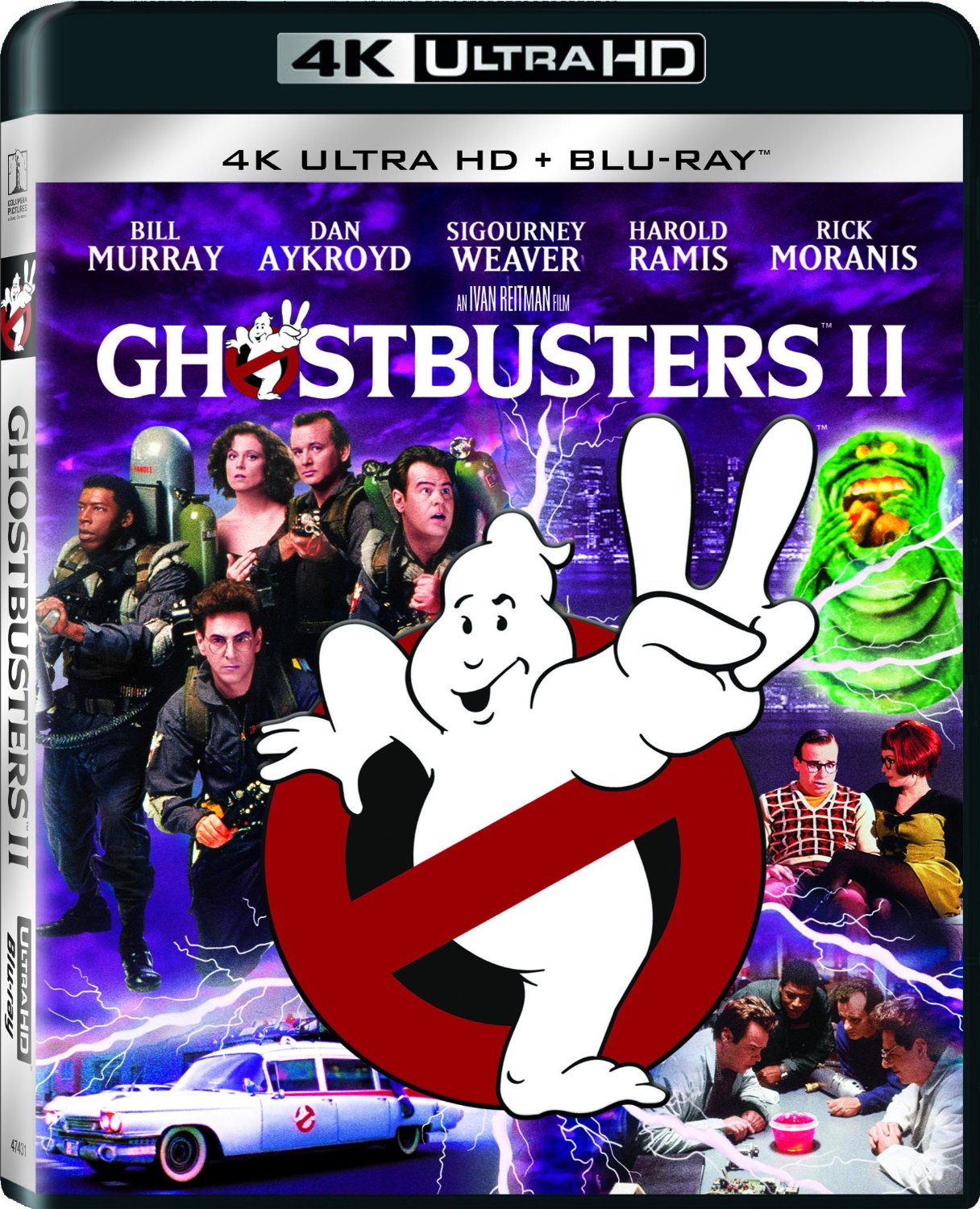
"Who you gonna call?"

This time?

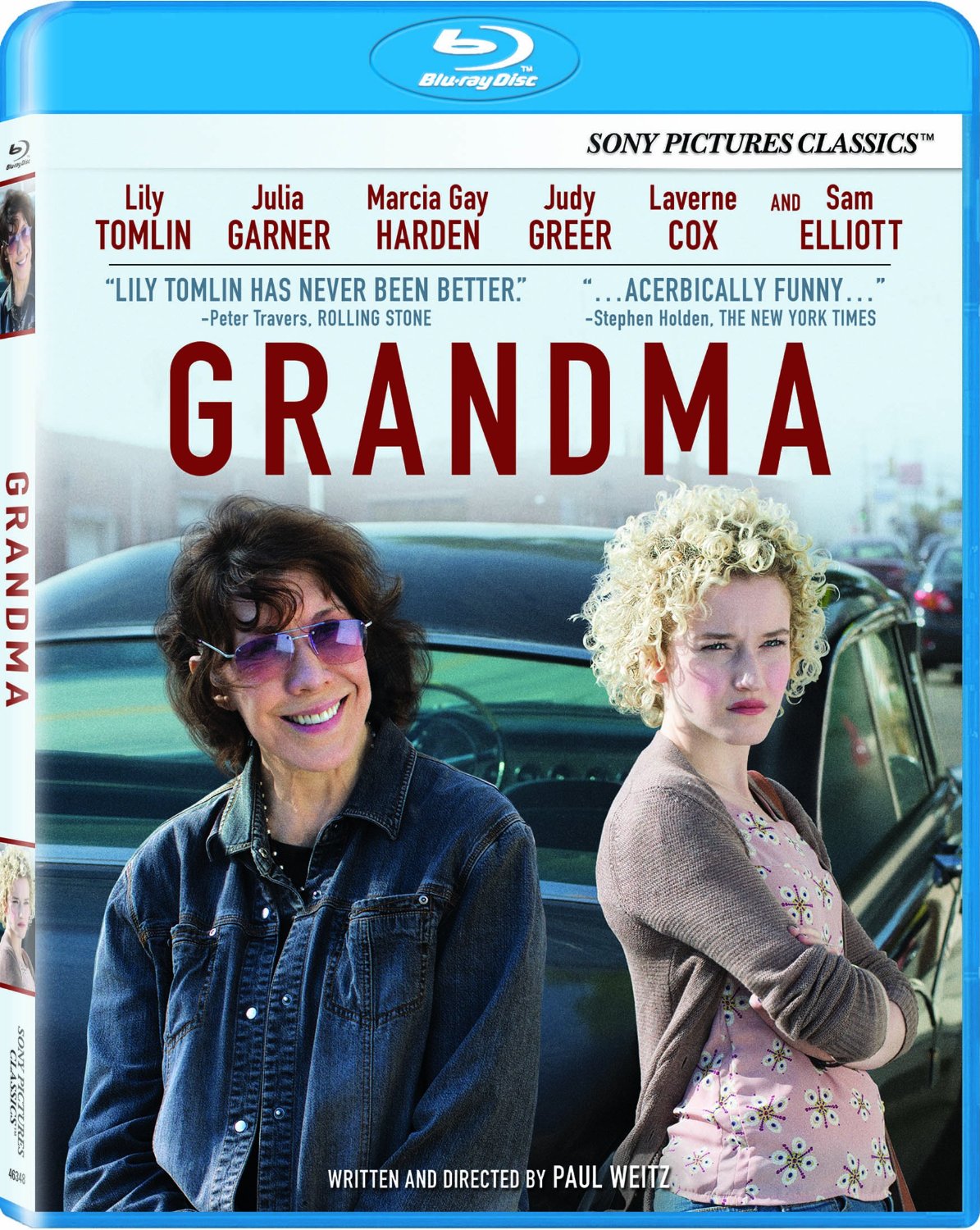
I was a little hesitant with picking up this film.  I wasn’t sure if a film about a grandmother spending the day raising money to pay for her granddaughter’s abortion was a film I could find the humor in.  Well, I’m glad I took a chance on this film; not only does this film have so many layers beneath its overall plot, but it never once attempts to have an agenda towards its audience.  Considering the potentially heavy subject matter, the film instead keeps its attention on what matters most, the people who come in and out of our lives whether they are friends or family; in the end it’s how we treat them that make us who we are.

Elle (Lily Tomlin) is about as feminist as they come; she’s a proud lesbian who is independent and at one time was a successful poet who wrote about feminist themes.  When we first meet her, it is in the middle of her and her girlfriend calling it quits.  Like any breakup, it’s ugly and filled with emotion.  Despite the tough exterior we see Elle trying to hold up, we know it is all an act, and we understand she is still hurt after the loss of her true love of 30-plus years.

Have you ever stumbled across someone’s diary?  At first glance it may look innocent enough, but for the person with dreams, fears and confessions, it is that friend and confidant that will listen to its author as they bare their soul and not be faced with judgement. In The Diary of a Teenage Girl, not only do we get a peek into the secret life of Minnie Goetze (Bel Powley), but we are taken on a journey of experiencing first love and sex through the eyes of a 15 year-old girl.  It’s sweet, it’s tragic, but where this film’s strength comes at its audience the strongest is with its honesty, which for some may be a bit too sobering of a reminder of what life is like as a teenager.

“I had sex today…” 

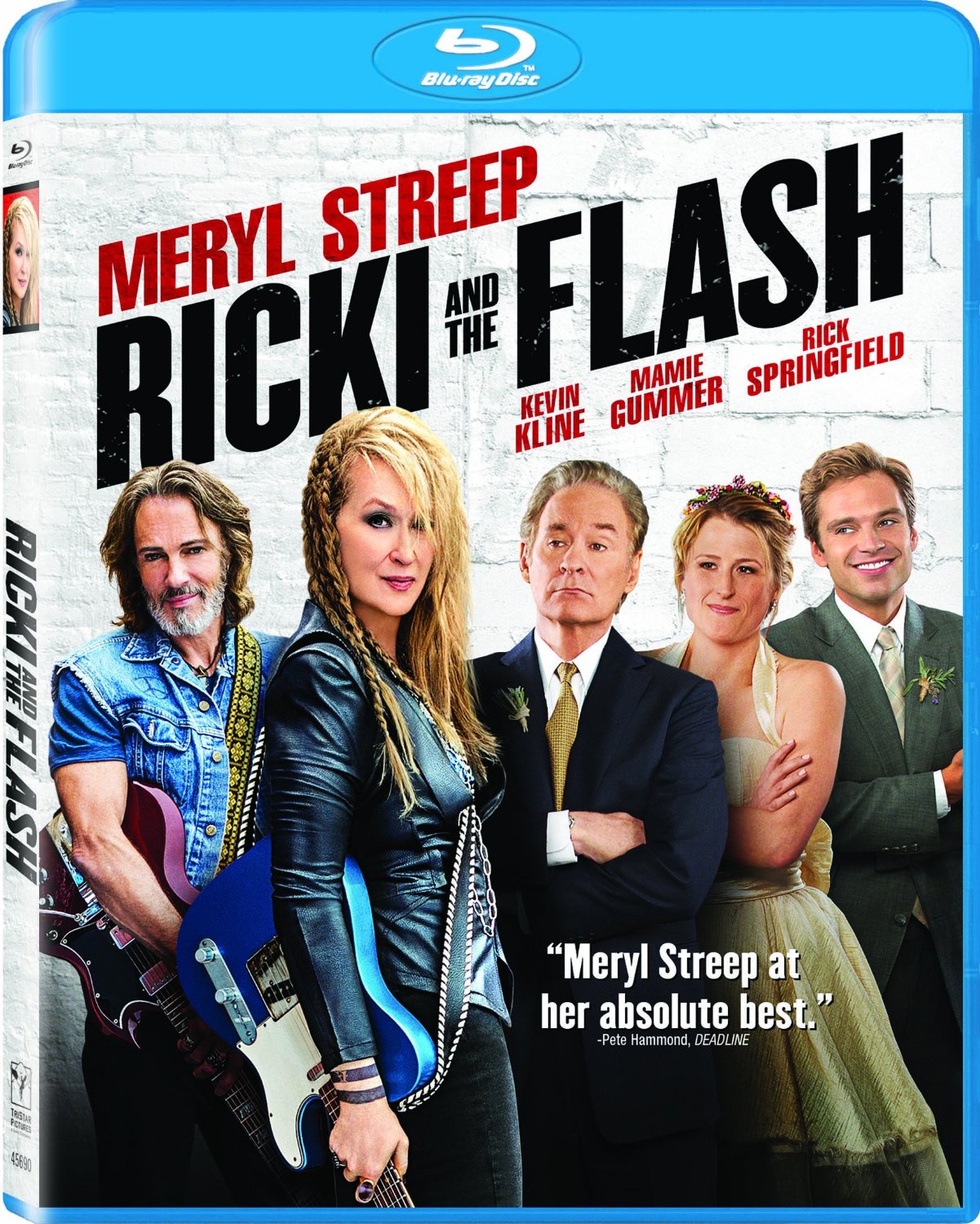
I'm going to start by listing a number of names that make up a kind of extended family. The names don't have a lot in common at first, and it seems like a hodgepodge. I'm sure I'm going to leave someone out, but let's start with Kevin Kline, Johnathan Demme, Diablo Cody, Sebastian Stan, Mamie Gummer, Audra McDonald, Joe Vitale, Rick Springfield, Bill Erwin, Bernie Worrell, Rick Rosas, and Charlotte Rae. I'm forgetting someone. Oh yeah, Meryl Streep. It's that kind of a movie which is being sold as a star vehicle for the most praised and beloved actress of the modern era, but is really an ensemble piece. We can debate who is as beloved as Meryl Streep in the history of cinema, but let's not, because Ricki and the Flash is not that kind of movie. It really isn't about the star turn by Meryl, but a collective, communal experience by all involved. All the names I mentioned are part of this experience, more so than in most movies. It's about the connections we try to make and the ones we fail at. It's about reaching for things and not getting them but doing it anyway. It's about failure and celebration, often within a breath of each other. It's about moving on but not forgetting the past. It's about loving someone when they are far from perfect. It's about forgiving and accepting.

I'm going to start with Rick Rosas. He died before the film was released and plays the bassist in Ricki's band, the Flash. In real life, he played in three bands with Neil Young (Crosby, Stills, Nash and Young, Crazy Horse, and Buffalo Springfield) as well as with Joe Walsh, Ron Wood, Etta James, Jerry Lee Lewis, and Johnny Rivers. Bernie Worrell, who plays the keyboardist, was a founding member of Funkadelic and Parliament as well as playing with The Talking Heads. Joe Vitale is the drummer; he has played with The Eagles, Joe Walsh, Ted Nugent, Dan Fogelberg, Crosby, Stills and Nash, and many others. Ricki and her band play to a few die-hard faithfuls in Tarzana every night, as well as doing her day job as a cashier at Whole Foods. I should mention that her frazzled boyfriend and lead guitarist is Rick Springfield. I should also mention Streep is 66 years old and is singing Bruce Springsteen and Tom Petty.

“I'm not a scientist, although I do play one on TV occasionally. Ok...hell, more than occasionally.”

The “I'm not a _____, but I play one on TV” catchphrase transcended its humble origins to become the go-to, jokey line for anybody who feels empowered to speak outside their area of expertise. Merchants of Doubt, however, isn't concerned with soap opera actors trying to sell Vicks on television. Instead, this flashy, funny, well-researched documentary examines the select group of people who present themselves as scientific authorities to the public. It also argues that they purposefully create confusion with the goal of maintaining a very lucrative status quo.

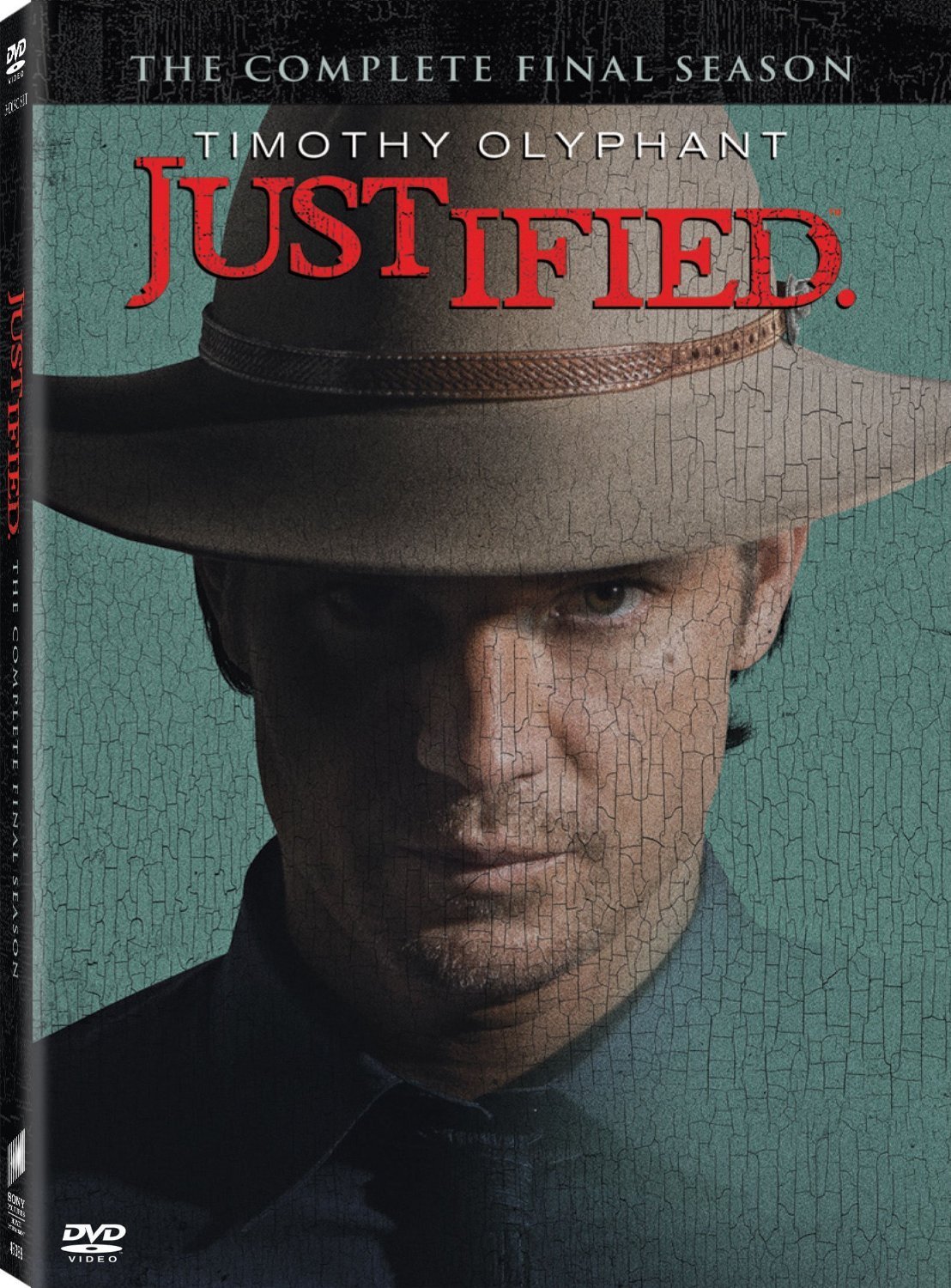
“Man, you are everything I’d hoped for…right down to the hat.”

For six stellar seasons, Justified went about its business in a manner similar to that of its slyly laconic, incorruptible hero Raylan Givens. The key word in that last sentence is “hero.” Justified premiered in the midst of the supposed new Golden Age of Television, which was largely defined by antiheroes like Tony Soprano, Dexter Morgan, and Walter White. Another one of those antiheroes — Mad Men’s Don Draper — recently signed off with a lot more fanfare than Justified got for its excellent last hurrah.

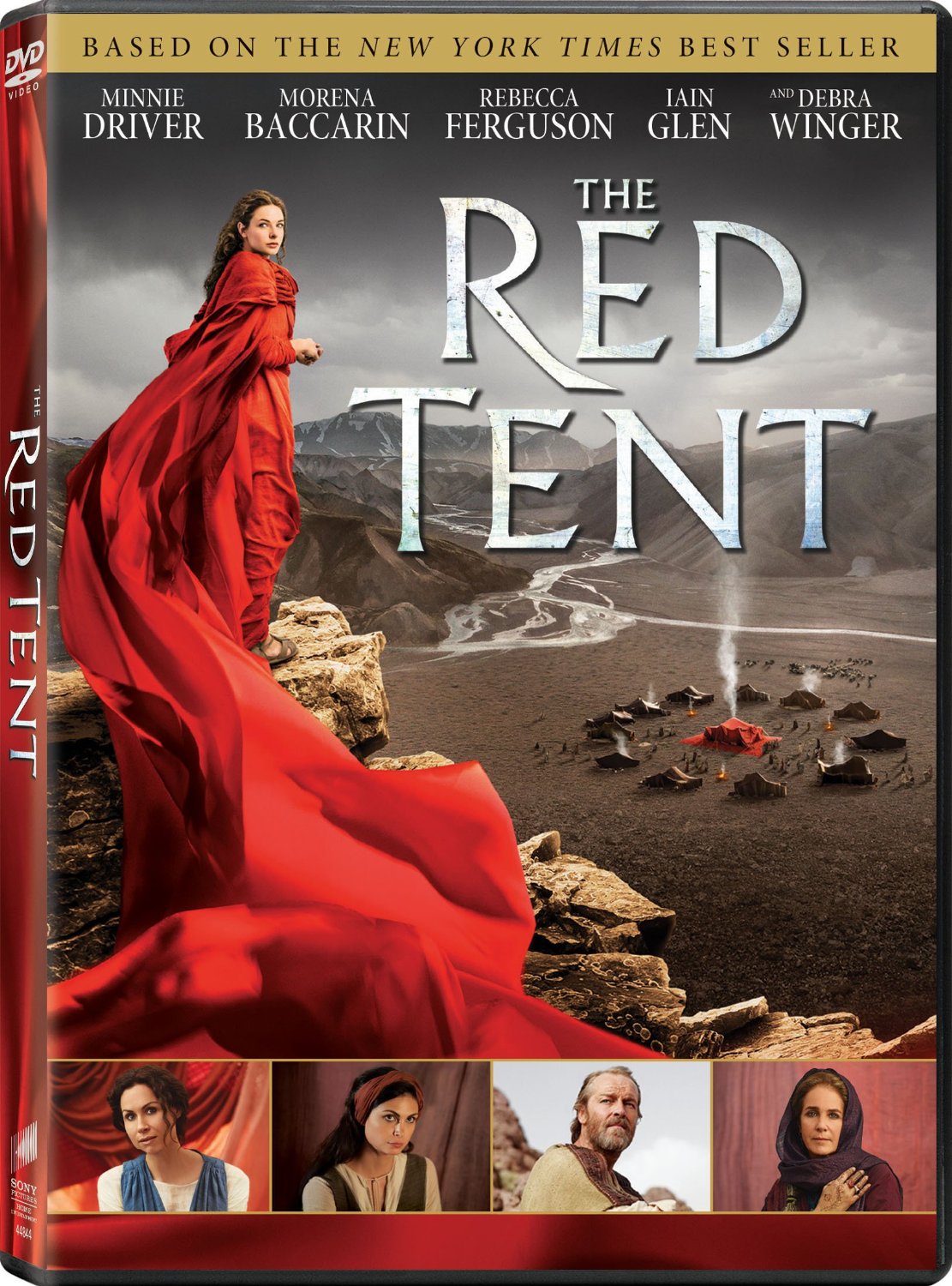
When you think about the biblical stories that have made it onto the big (or small) screen, they tend to focus on names like Jesus, Moses and Noah. (And Moses again, just for good measure.) To be honest, I didn't even realize how few Bible adaptations focus on women until I popped in The Red Tent, a Lifetime miniseries based on Anita Diamant's best-selling novel of the same name. While The Red Tent certainly shouldn't be taken as gospel, it deserves credit for exploring biblical events from a different perspective.

For thousands of years, I've been lost to the world. My name means nothing to you.”

“There’s no place on Earth with more magic and superstition mixed into its daily life than the Scottish Highlands.”

To build its slate of original programming, Starz has largely decided to look to the past. In recent years, the premium cable network has produced shows like Da Vinci’s Demons, The White Queen, and Black Sails, each of them (loosely) historical dramas with varying amounts of nudity sprinkled in. But it took a trip to the Scottish Highlands — and to the 18th century — for the channel to find its biggest hit to date.

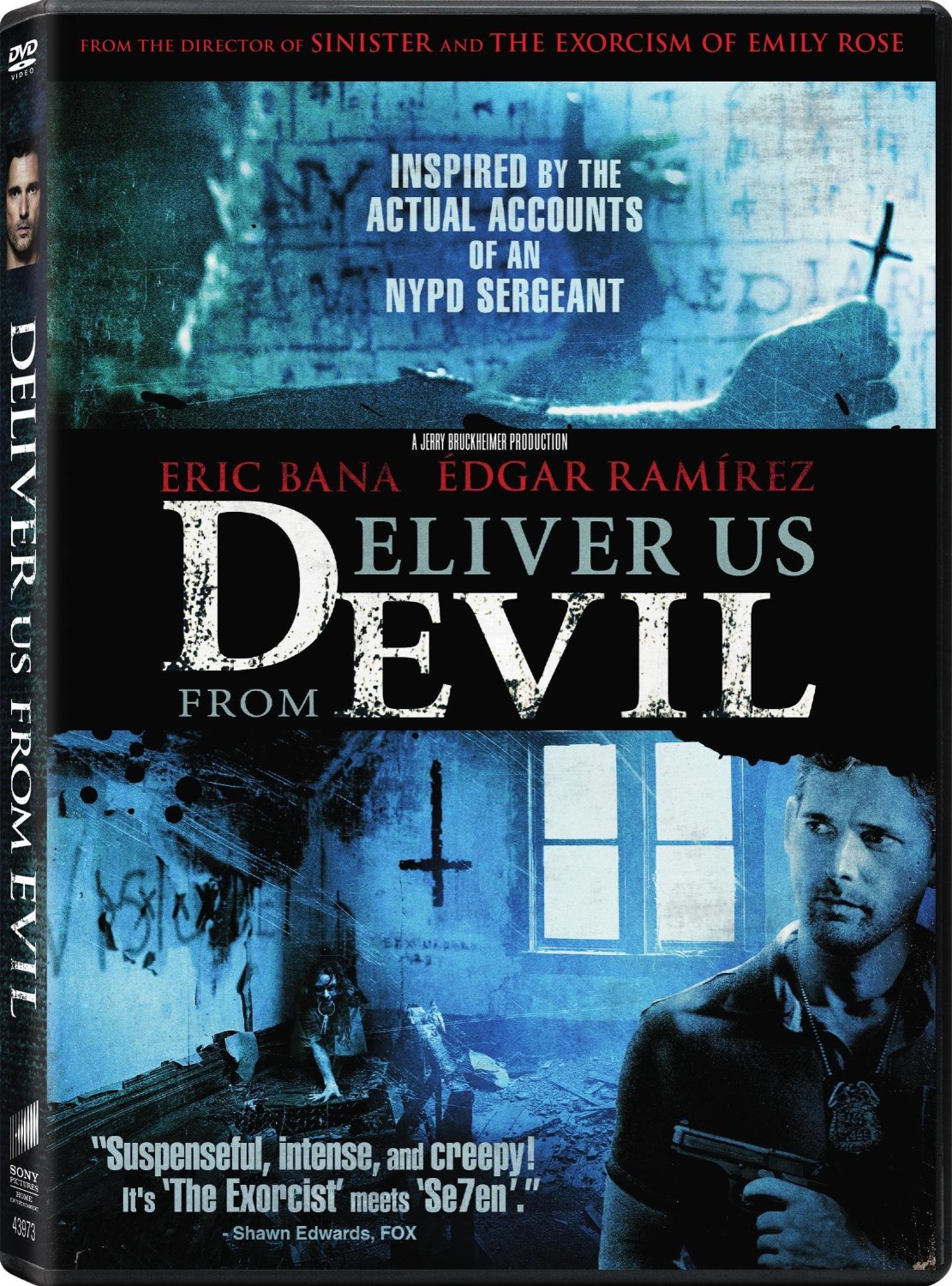
Inspired by the actual accounts of an NYPD sergeant.”

Deliver Us From Evil comes attached with what may be the most flowery variation yet of the “Based on a True Story” tag I'm always wary of. The deliberately-worded phrase is designed to lend an air of verisimilitude to the inherently supernatural demonic possession genre. (Not unlike what The Conjuring did with its real-life paranormal investigators on its way to becoming a smash.) While Deliver Us From Evil has a few decent jolts, it doesn't come close to capitalizing on the promise of its unique source material.

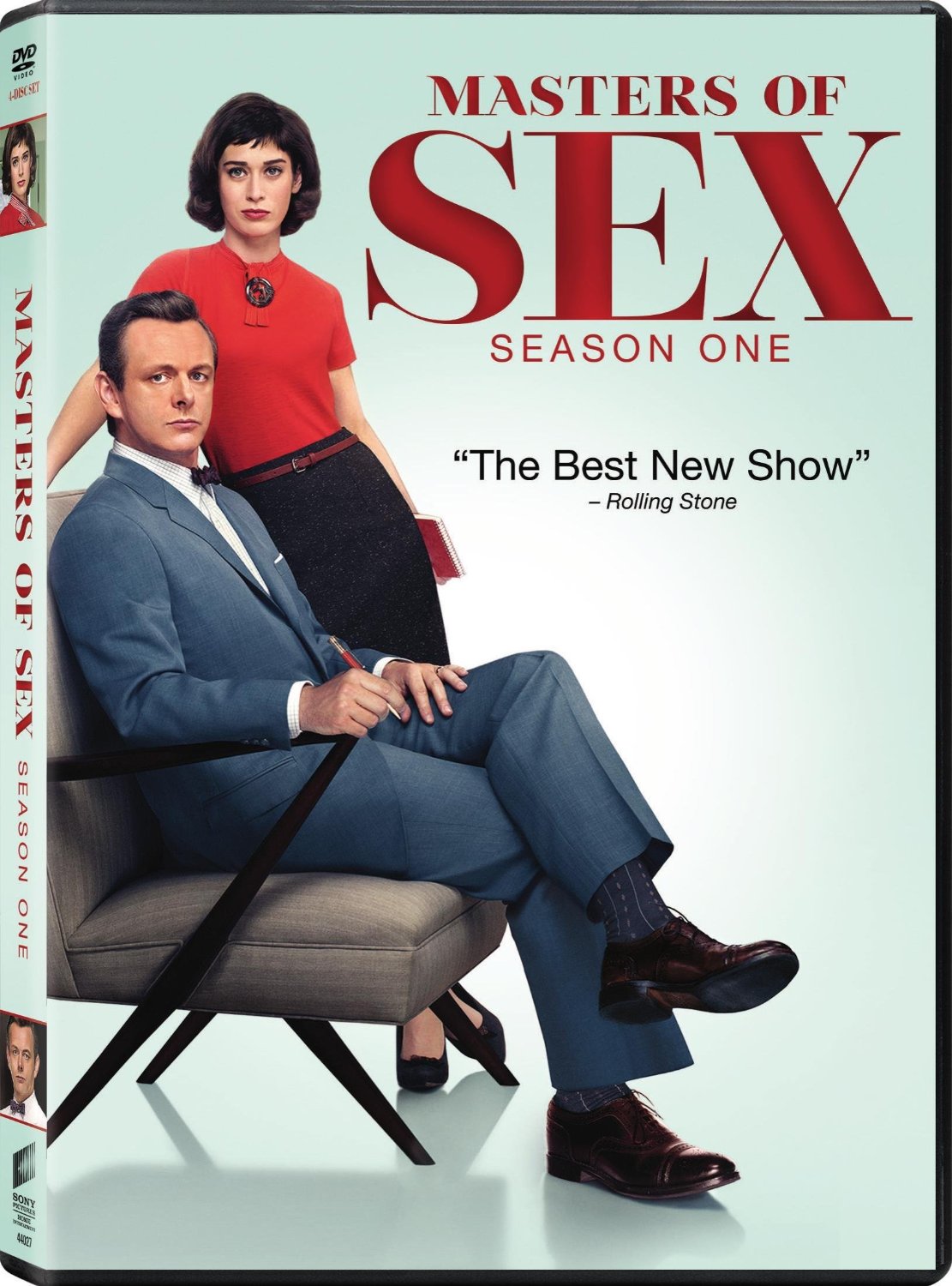
In 1956, a nationally-renowned fertility specialist met a former nightclub singer. Ten years later, they published a scientific study, which revolutionized our understanding of human sexuality.”

You can't call your TV show Masters of Sex and not expect to elicit a few chuckles. (You also can't be surprised if people go looking for it on Cinemax rather than Showtime.) Titillating title aside, Masters of Sex is actually an engaging, often-excellent period drama that shines when it's conveying the thrill of discovery and exploration. Also, it turns out there's a fair amount of sex.