Posts by J C

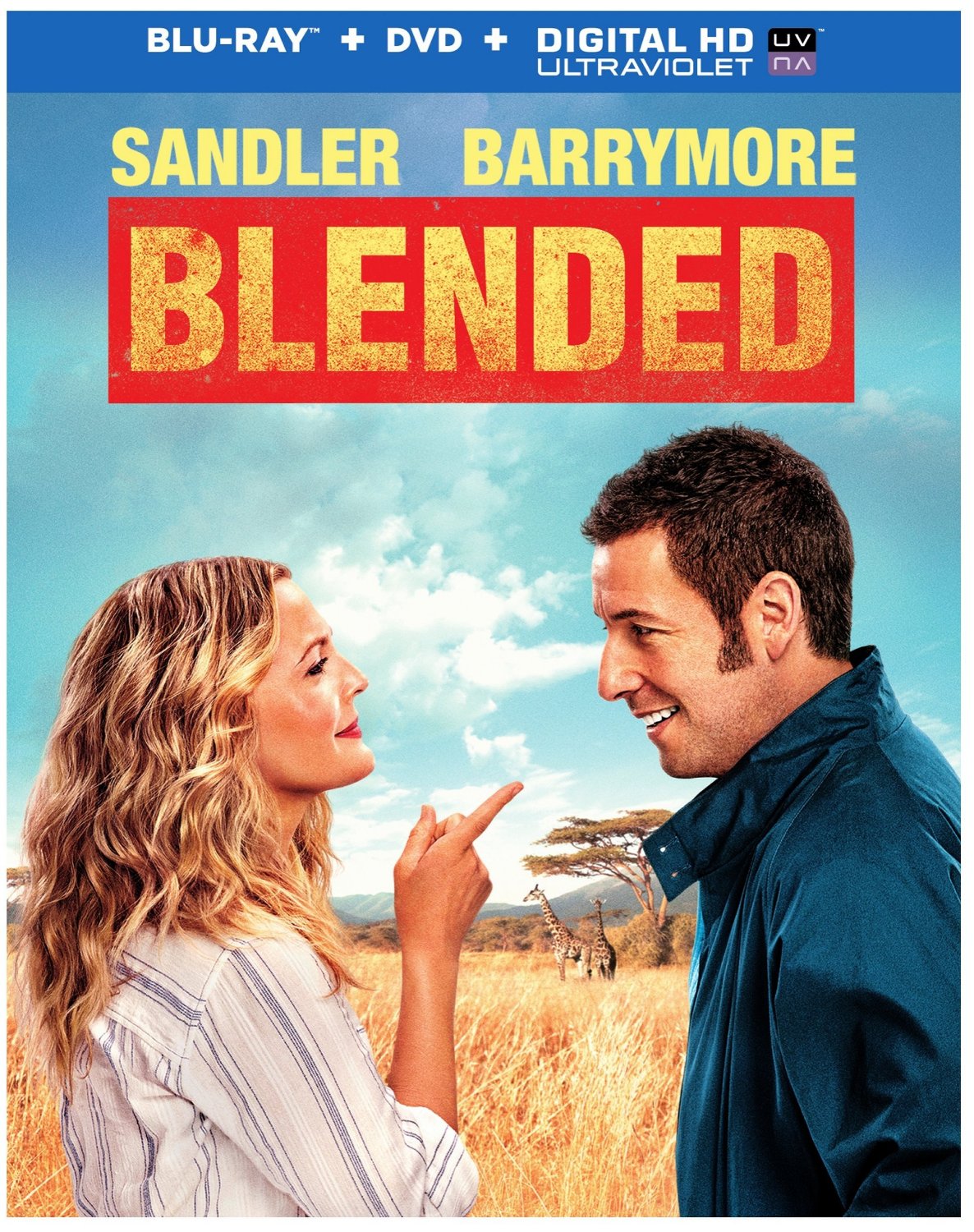
Adam Sandler took a bit of a beating with Blended. His previous, non-Grown Ups outing (That’s My Boy) was Sandler’s first comedy in a while to severely underperform at the box office, suggesting audiences might be tiring of the comic’s (critic-proof) brand of humor. Then came Sandler’s pre-release admission that he makes movies based on where he’d like to get paid to vacation. Blended went on to underwhelm at the box office, at least by the reliable standards of Sandler comedies. (It brought in $123 million worldwide on a reported $40 million budget, though only $46 million of that came from the U.S.) Maybe it was the lowered expectations, but I kinda liked Blended.

“Love is a many blended thing.”

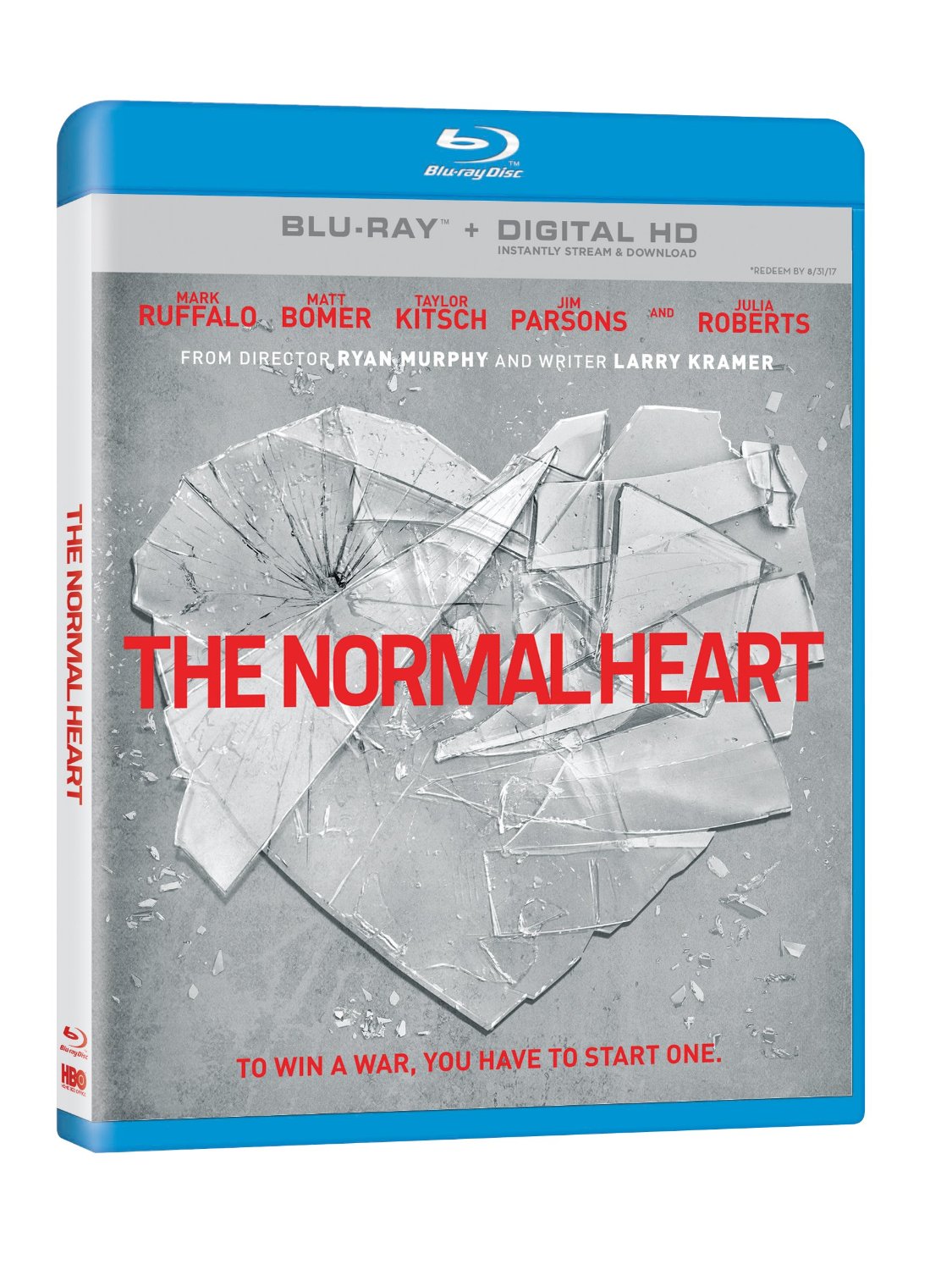
“Could you please reduce your level of hysteria?”

There is a lot of yelling and a lot of outrage in The Normal Heart. The film chronicles the confusing, terrifying onset of the HIV-AIDS crisis in the early 1980s and how a group of gay men (and one intrepid doctor) in New York fought to draw attention to the deadly disease. Their efforts are alternately frustrating and futile, which leads to a higher decibel level for much of the movie’s second half. Thankfully, The Normal Heart is shrewd enough to note that there’s more than one way to make a point. More importantly, the film does a strong job of illustrating the different ways the yelling and outrage were justified.

“I wanted to show them something that wasn't an illusion. Something that was real, something that they could see and touch. An aim not devoid of merit.”

Those words were spoken by John Hammond, the man who (in)famously brought dinosaurs back to life in Jurassic Park. However, they also applied to the acclaimed actor/filmmaker who played him. Sir Richard Attenborough died Sunday, leaving behind an indelible mark on movie history thanks to his work in front of and behind the camera.

One of the miracles of modern technology is its ability to shrink the world down so you can practically (well, proverbially) hold it in the palm of your hand. The cheerily square Smithsonian Channel series Aerial America goes the other way. In fact, the best thing about the show is how it uses technology to fill every inch of your screen with some of the most famous — along with some of the more underappreciated — U.S. landmarks, employing a larger-than-life/bird’s-eye point of view most of us wouldn’t otherwise be able to enjoy. Now, Smithsonian Channel and Inception Media Group have released another batch of episodes on Blu-ray.


A quick primer if you’ve never seen the show (as I hadn’t prior to reviewing the Southwest Collection): the series debuted in 2010, and each hour-long episode is devoted to a different U.S. state or region. Every one of those episodes is solely comprised of stunning, leisurely aerial shots of that respective state’s natural and man-made landmarks, along with a brisk history lesson courtesy of narrator Jim Conrad.

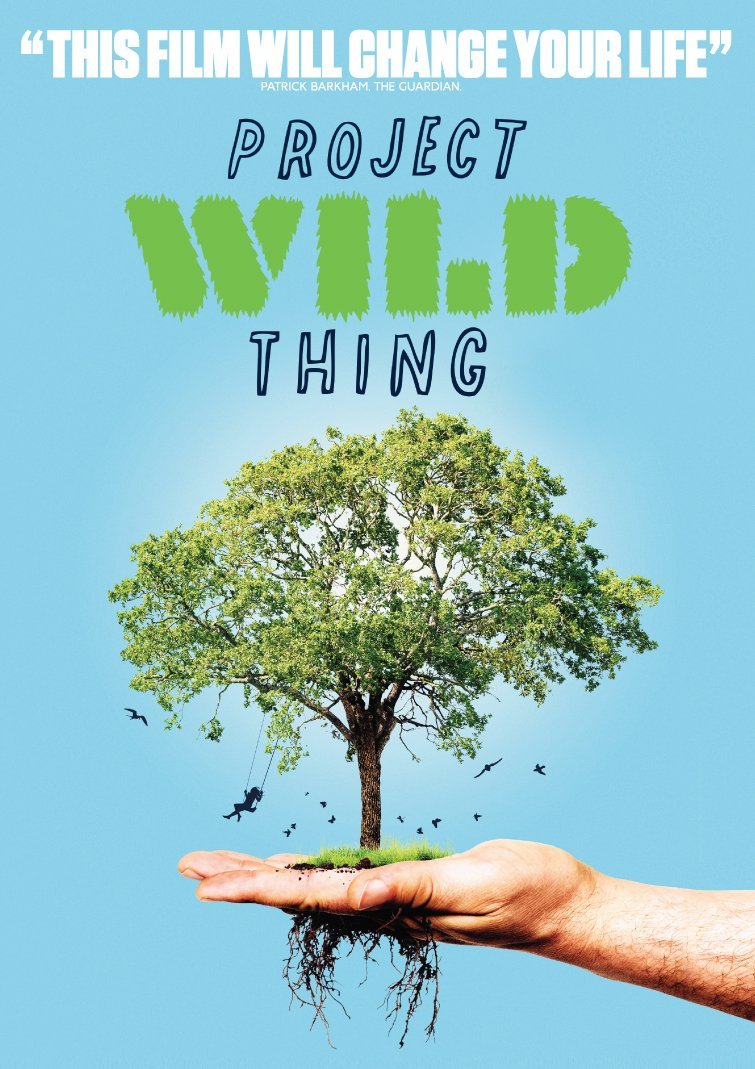
“The generational shift to an indoor existence has been strongly linked to a sharp decline in children’s well-being.”

That’s just a fancier, more eloquent version of the familiar lament that (these darn) “kids today just don’t play outside anymore!” It’s also the jumping-off point for Project Wild Thing, an inventive and engaging documentary that explores the apparent disconnect between today’s youth and the natural world they seem intent on ignoring.

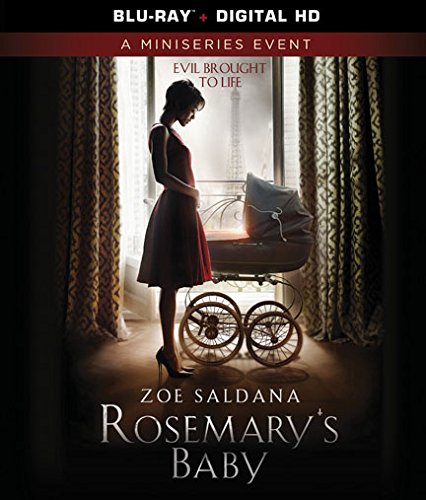
It’s kind of astounding that it took this long for somebody to revisit Rosemary’s Baby. Don’t get me wrong: I’m not suggesting Roman Polanski’s indelible 1968 adaptation of Ira Levin’s 1967 novel was crying out for a remake. It’s just that at this point you’d be hard pressed to find any horror classic — or any horror film, period — that hasn’t been re-done. (Stay strong, Exorcist!) And you probably wouldn’t expect said horror classic to be re-imagined as a bloody network TV miniseries.

I say "bloody" because NBC's two-part/four-hour modernization of Rosemary's Baby is actually more graphic than Polanski's theatrical chiller. (Then again, I still can't believe the network gets away with showing half the inspired, disturbingly brilliant stuff they do on Hannibal, so maybe this shouldn't come as a big surprise.) Unfortunately, this stylish new version lacks subtlety and — more importantly — a fundamental understanding of what makes the story scary in the first place.

Welcome to the 21st century!”

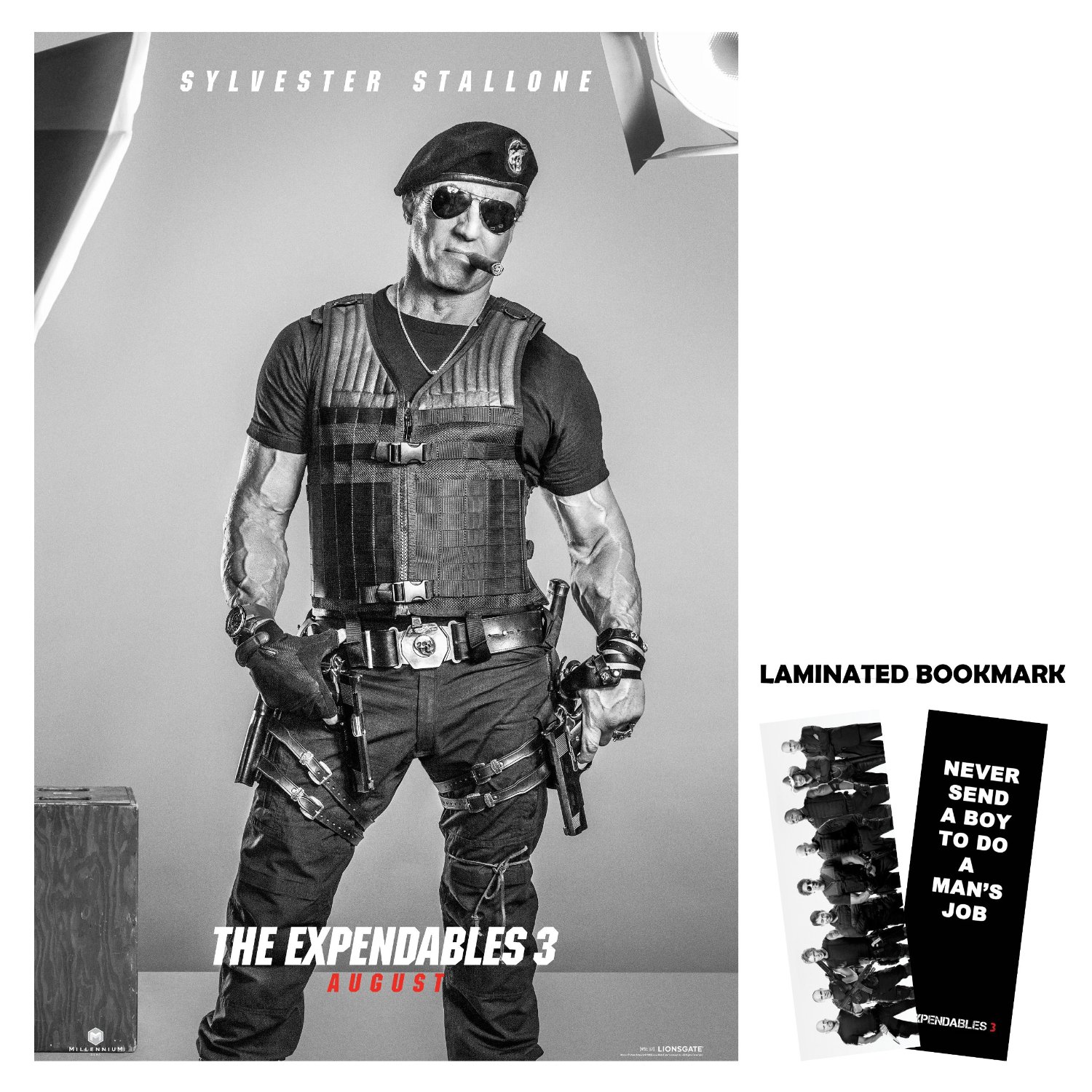
Sylvester Stallone has dedicated the better part of the last decade to giving moviegoers what they wanted 20 years ago. It started with 2006's Rocky Balboa, which closed out Stallone's signature franchise in the satisfying manner fans have been craving since 1990's Rocky V debacle. We’ve also gotten another Rambo sequel, as well as long-awaited team ups with icons both real (Schwarzenegger in Escape Plan) and cinematic (Grudge Match was “Rocky vs. Raging Bull”). But Stallone's biggest recent success is the veritable fantasy team of action stars he's assembled for the Expendables films.

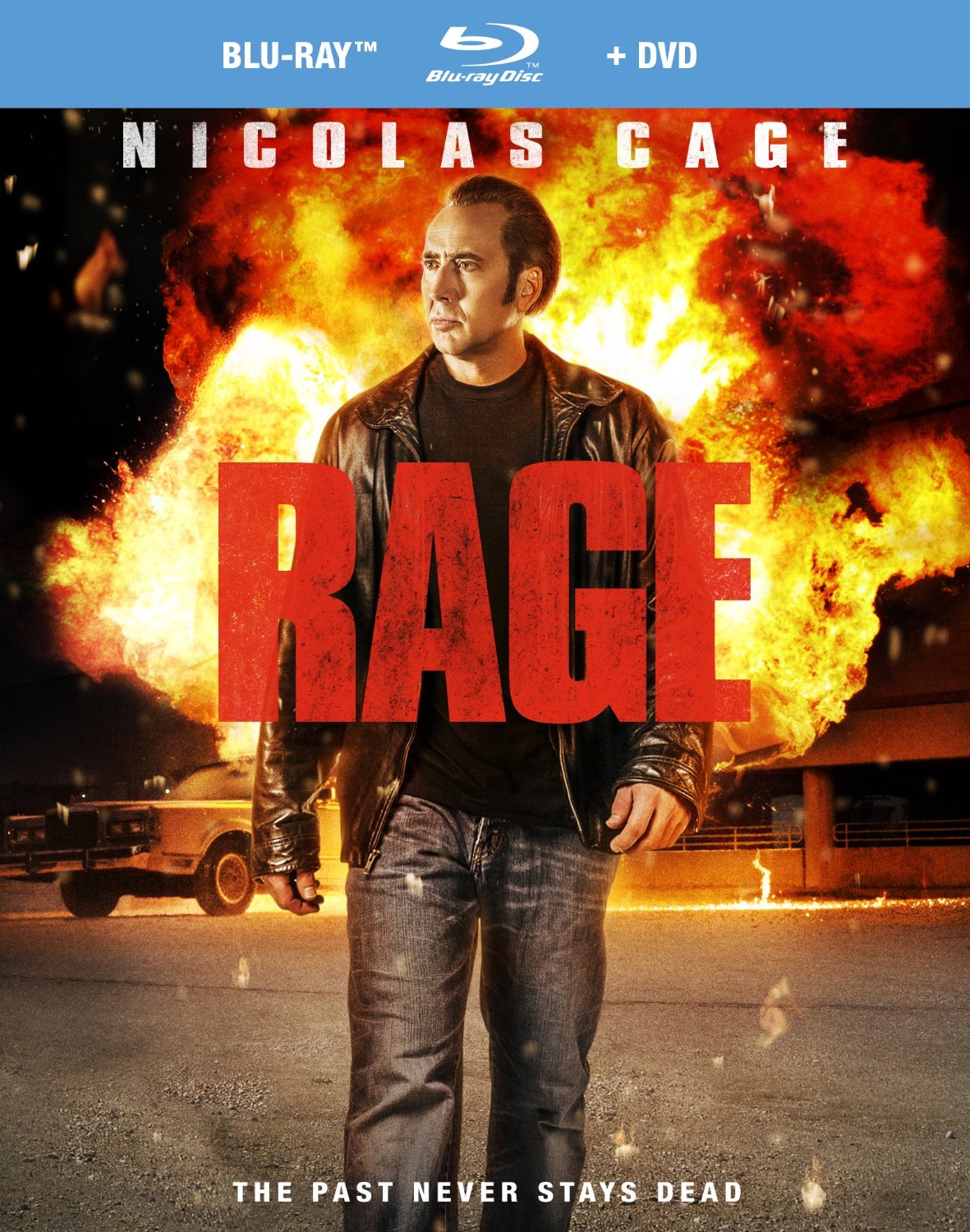
At this point in his alternately mocked and celebrated career, Nicolas Cage starring in a movie called Rage seems redundant. (Especially since “Rage” would be a much more eloquent title for this classic YouTube video.) Yet here he is starring in what looks like a Taken ripoff…until you realize he already starred in a Taken ripoff two years earlier. To its credit, Rage does appear to want to say some interesting things about the way secrets refuse to stay buried and the perils of resorting to violence. Unfortunately, the film often takes the most misguided and clichéd avenues to get there.

Cage stars as Paul Maguire, a criminal-turned-successful businessman with a pretty younger wife named Vanessa (Rachel Nichols) and a daughter named Caitlin (Aubrey Peeples) who is about to turn 16. While Paul and Vanessa are out to dinner one night, they get unsettling news: a group of masked men broke into the couple’s house and assaulted Caitlin and her two friends (Max Fowler and Jack Falahee). The bruised boys inform Paul that Caitlin has been abducted.

The Muppets debuted in 1955, and the late great Jim Henson’s creations have been delighting audiences (and fellow entertainers) of all ages ever since. They’ve made their mark on the small screen — most notably with The Muppet Show (1976-81) — and at the movies, starring in eight feature films across four different decades. However, 2011’s The Muppets was their first big-screen outing in a dozen years, and the movie spent most of its time wondering if the Muppets’ old-fashioned, irreverent charm still had a place in a more jaded pop culture landscape. The answer was a warm, if not quite resounding, yes. With that out of the way, Muppets Most Wanted is a return to the sort of zany showbiz farce that made them movie stars.

“Doggone it…it looks like they’ve ordered a sequel!”

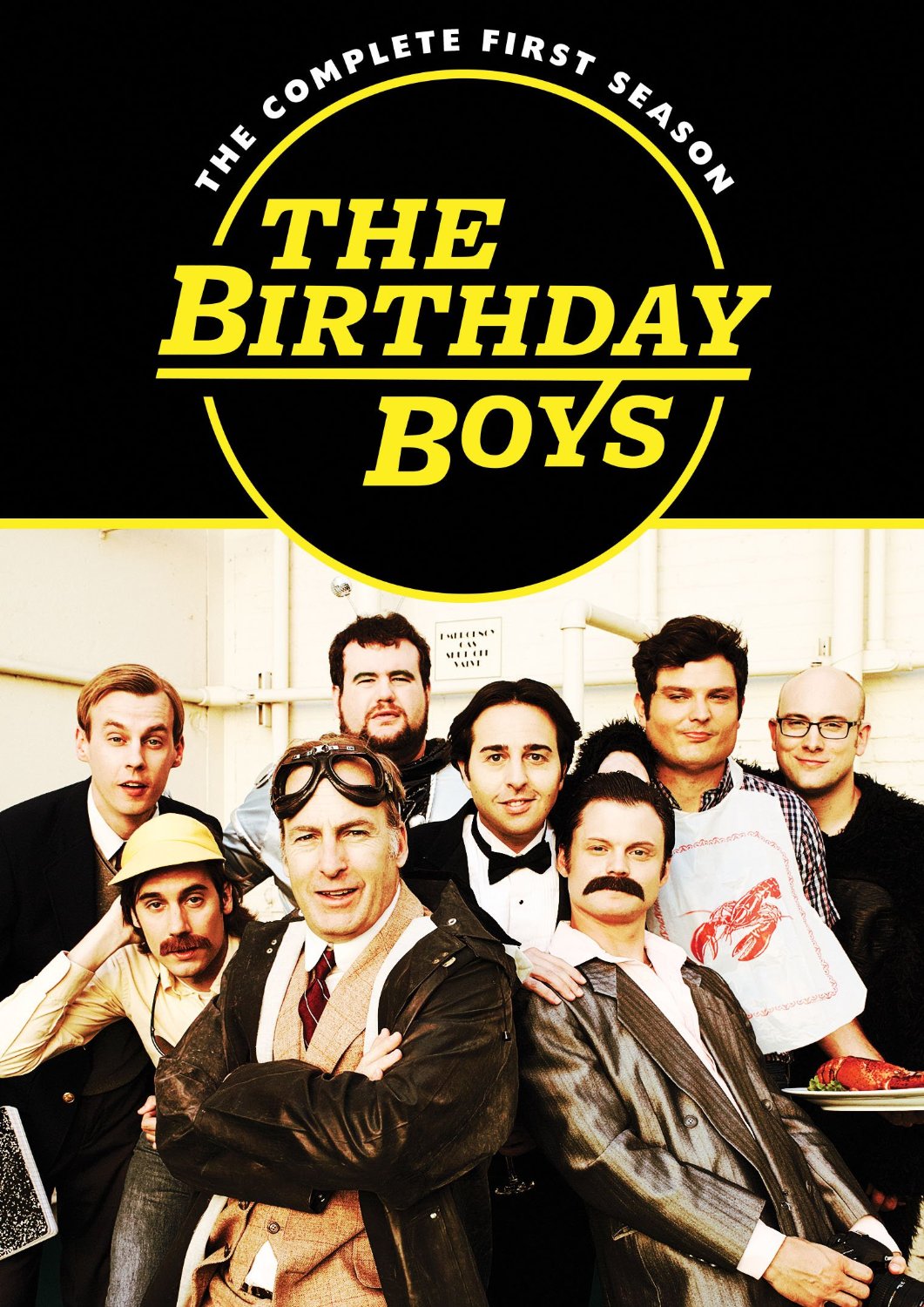
It seems to me, if your ultimate goal is to get on television, there’s never been a better time to be a sketch comedian. Thanks to sites like YouTube — which thrive on the sort of bite-size videos that line up nicely with the rhythms of sketch comedy — funny folks can hone their craft online while building a big enough fan base to maybe compel a network to offer them a show. Comedy Central is the most obvious basic cable landing spot, but IFC has emerged in recent years as a haven for offbeat humor. That includes The Birthday Boys, which is characteristically uneven, but boasts an impeccable TV sketch comedy pedigree.

“Finally, they got their golden opportunity. A television producer offered them their own show. But at what cost?”