Anchor Bay

You can always tell a SyFy television movie right off the bat; they generally involve some type of scientific principle run amuck, they generally take place in a small out-of-the-way town, and they include at least one actor who has had moderate success on television or films. True to form, Super Storm (known as Mega Cyclone on IMDB) is the embodiment of all those things, and it tends to teeter between mediocre and mildly interesting as the story’s events unfold in unexpected ways revealing that no one is safe, especially the cast.

When you read that Eli Roth is part of the production team, the first thing you probably think about is the potential gore that will be associated with the project, and Aftershock is no exception, but there was also an interesting twist with this disaster flick: the involvement of a director who’s most known for his work in the romantic comedy genre, Nicolas Lopez, who’s most notable for his Que Pena Tu (translation: F*** my  (blank)) trilogy. He tries his hand at something new with this dark tale based in reality that highlights that the most frightening part of a natural disaster is not necessarily the disaster itself.

I don’t care if it makes me sound like an awful human being, but I wanted The Demented to be much nastier than it actually was. The packaging for this straight-to-Blu-ray offering trumpets the fact that it’s “from a co-producer of A Nightmare on Elm Street” and producer Steven Monroe, who directed the I Spit on Your Grave remake. Since I’m not delusional, I didn’t expect this film to be nearly as good as a horror classic like Elm Street. But I also didn’t think it was unreasonable to expect the competent thrills of the Spit remake. Instead, the filmmakers have given us a sub-SyFy gloss on 28 Days Later... and dozens of other (infinitely superior) horror movies.

A fish has to swim, a bird has to fly, and a film has to entertain; those are the defining attributes for each of the  listed subjects, and in my opinion The Rambler didn’t meet its obligation as a film. The Dermot Mulroney-led film is a series of happenings, each of which are unconnected and wide open for interpretation, only tied together by one monosyllabic character. It seems that the story is whatever you want to make it, but therein lies the rub: many people don’t go to films that require them to form their own interpretation. They are looking to have a story told to them, not tell it to themselves.


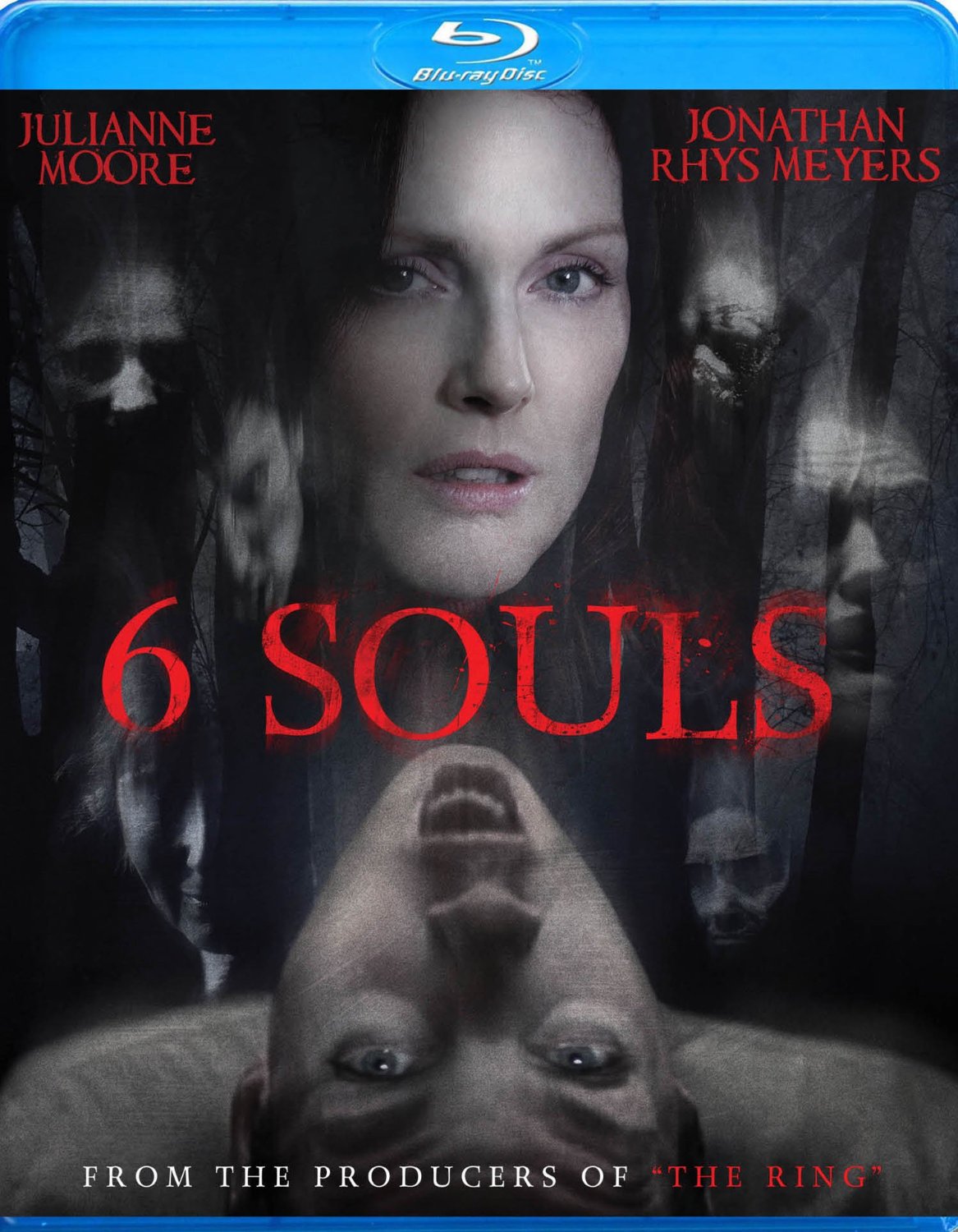
The medical community seems to be split on whether or not dissociative identity disorder — previously known as multiple personality disorder — actually exists. Well, I’m here to offer a definitive answer because I’ve just seen the dreaded disease in action after watching 6 Souls. The film can’t decide whether it wants to be trashy, watchable horror movie that regularly tries to jump-scare you out of your seat or a somewhat serious meditation on the science vs. faith debate.

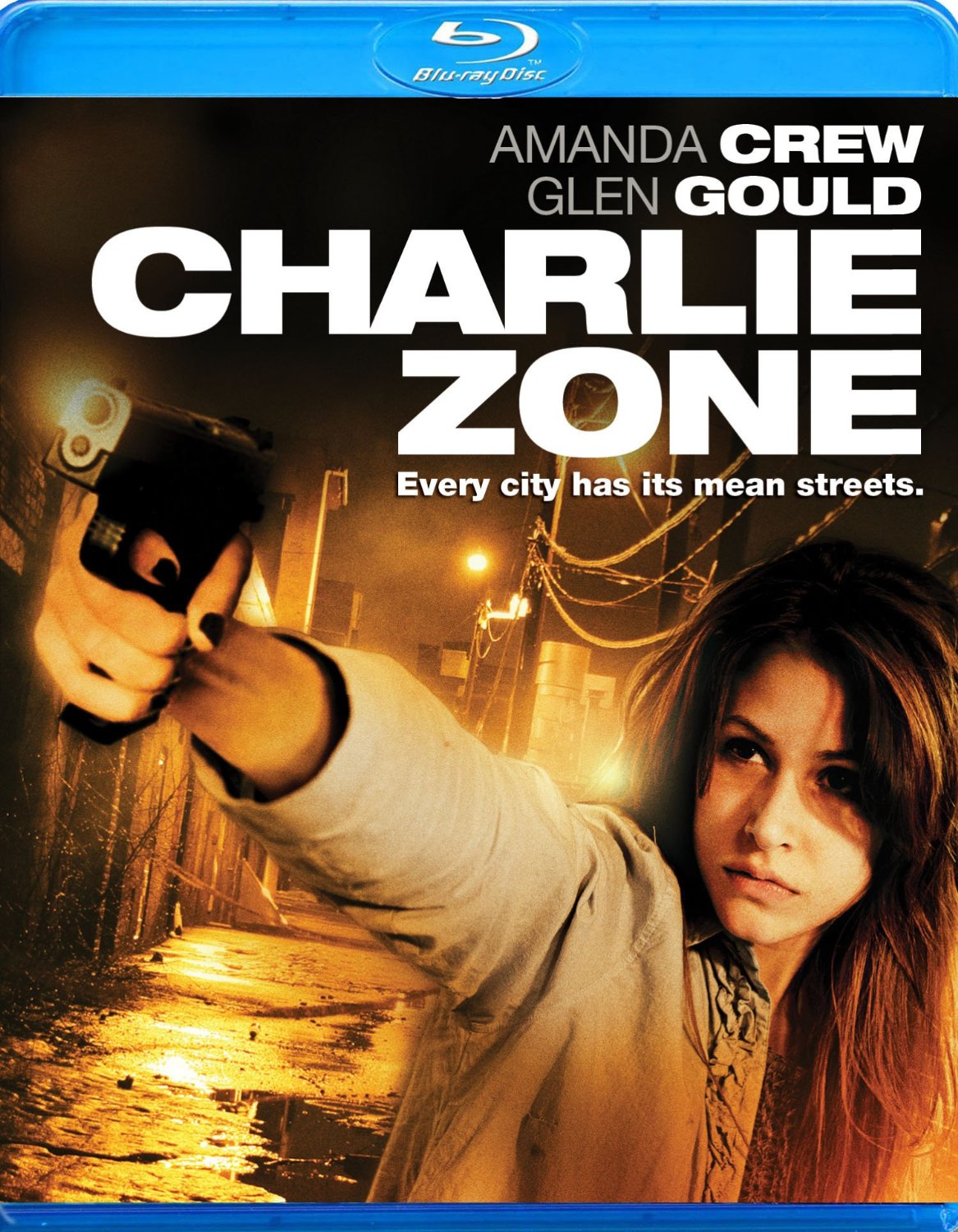
Enigma: something hard to explain or understand: well, that about sums up Charlie Zone. The story itself is mildly interesting but takes its time building traction. I was expecting to be introduced to a film about underground fighting and instead was introduced to a film about two people who were dealt a bad hand and are thrust into a life-or-death situation. At odds at first, the two must work together in order to survive. Does this plot theme sound familiar to anyone else?

Earlier this year, Warm Bodies become a solid box office hit by giving its zombie hero a heart. The Amazing Adventures of the Living Corpse seeks to carve its own uniquely bloody path by saddling its undead protagonist with a soul. It’s a clever way to go considering there’s not much new territory to cover in zombie fiction 45 years after George A. Romero’s Night of the Living Dead shambled into pop culture immortality. I just wish this provocative promise had yielded a better movie.

I don’t like remakes for probably the same reasons you don’t like them — they’re lazy and creatively bankrupt — but I’m also not completely against the idea of revisiting an older film. When the older film isn’t a beloved classic that shouldn’t be touched or when a story can be more effectively presented using technology that simply didn’t exist when the original movie was made, remakes aren’t such a bad idea. By those standards, 1984’s The Philadelphia Experiment is actually an excellent choice to receive the remake treatment. And that’s why I’m so disappointed to see it go so wrong.

“Two possibilities exist: either we are alone in the universe or we are not. Both are equally terrifying.”

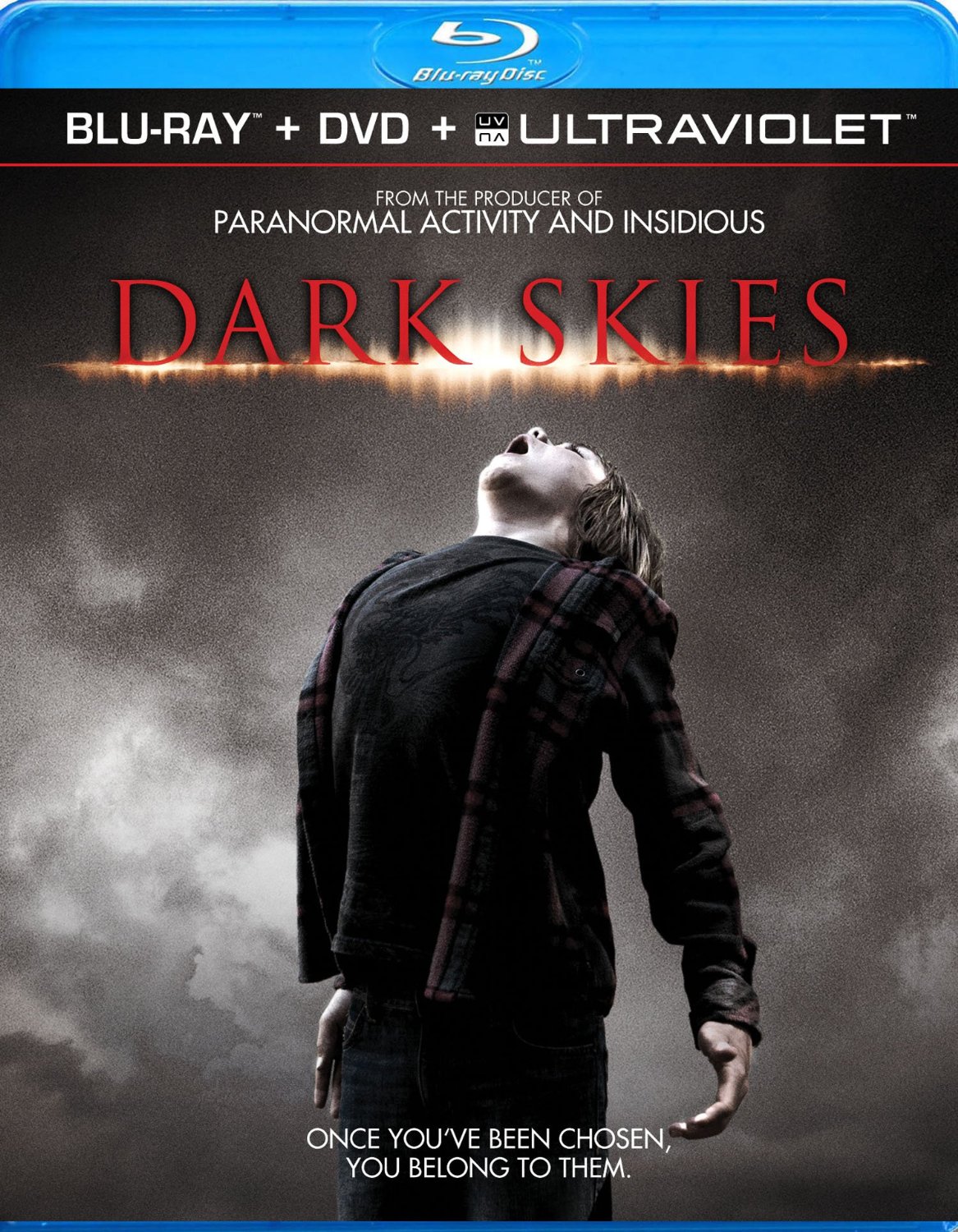
Just in case the film’s title wasn’t a big enough clue, this opening quote from famed science fiction writer Arthur C. Clarke makes it abundantly clear the domestic disturbance in Dark Skies won’t be caused by grumpy ghosts or a dastardly demon. This effective little sci-fi/horror movie follows the low-budget template established by recent hits like Insidious, Sinister and the Paranormal Activity franchise, but looks to the not-so-friendly skies for its source of terror.

The problem with casting Ben Kingsley in this film’s title role is that the Oscar-winning actor is anything but common. He’s been a commanding screen presence for four solid decades, starting with his award-winning work in 1982’s Gandhi and continuing through his surprising performance in Iron Man 3. When Kingsley first appears in A Common Man, he immediately stands out in the crowded streets of Colombo, Sri Lanka thanks to a sharp goatee and his signature shorn dome. Turns out Kingsley’s inherent star power is the least of this movie’s problems.