2.35:1 Widescreen

Day of the Falcon is a photogenic, lavish reminder that violence and strife in the Middle East existed well before it could be broadcast on CNN. The film — set in the early part of the 20th century — also works as a throwback to the sort of rollicking, epic-scale adventure films David Lean was making at the height of his powers and that no one seems terribly interested in making anymore. Don’t get me wrong: Day of the Falcon is no Lawrence of Arabia or Bridge on the River Kwai, but it’s an accetable 21st century substitute.

Directed by Jean-Jacques Annaud — who made the great, underrated WWII sniper drama Enemy at the Gates — the movie features a multi-cultural cast and a relatively hefty budget. (Reports put it anywhere between $40 million and $55 million; either way, it’s one of the most expensive films produced by an Arab — Tarak Ben Ammar — which also deals with that part of the world.)

“The border between the United States and Mexico spans 2,000 miles. It’s also the most frequently crossed land border in the entire world. And that just refers to legal crossings…”

Hundreds of thousands of people — we’re told at the start of Border Run — try to cross that boundary every year, and each of them has a unique story. Unfortunately, the filmmakers botched a great opportunity to explore the thorny issue of illegal immigration in a thoughtful and stimulating way by choosing to tell the most ridiculous and off-putting story they could possibly think of.


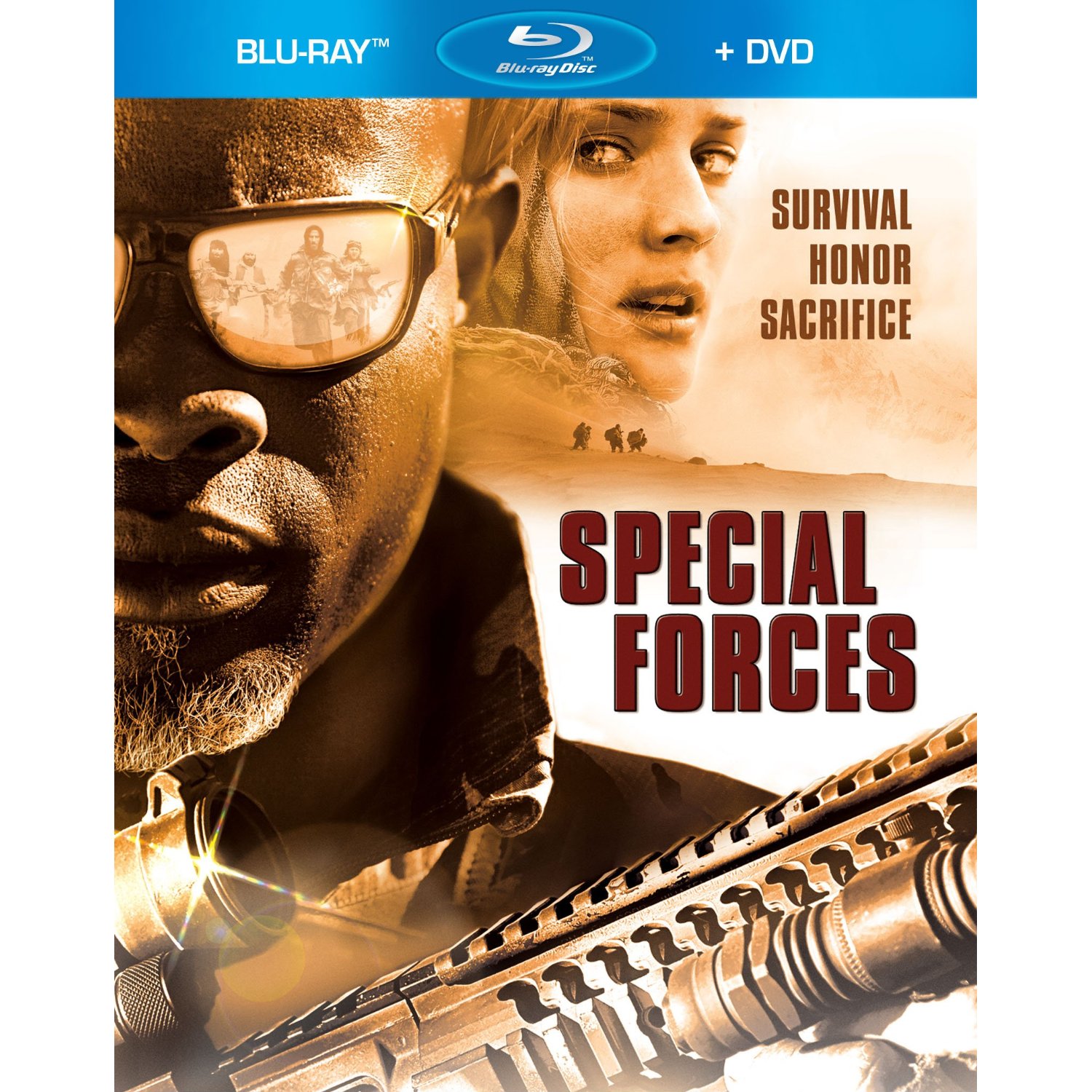
In a film the pays its respects to the French soldiers who are participating in the war on terror as well as the journalists that risk their lives to cover the war, Special Forces delivers more of the same in this new release.  Though the default setting has the spoken language in English and has English-speaking stars, don’t let this French release fool you; the dubbing is terrible and the film is better viewed in its original language. Elsa (Diane Krugar) is a French journalist who is in Afghanistan to cover a story about a woman sold as a child.  By now we should all know speaking against the politics in these countries is not just bad, but when you are a woman this could get you killed.  The woman is wanted by the Taliban, and Elsa wants to do what she can to help her friend escape, but there is little to be done when Elsa witnesses a raid of the woman’s home.  It’s not long after that Elsa finds herself in the crosshairs of the Taliban and is also captured.  Elsa reluctantly reads a message from the terrorist group, and the video is broadcast for the French government to see.  This in turn causes the French president to take action and approve a mission to have the journalist rescued.

Though many of the story points have been seen before in numerous different films, it still works and had me gripped due to some beautiful cinematography, and it doesn’t hurt that it had Diane Kruger as the captive journalist. (If this woman was able to start the war in Troy, just imagine how she’d motivate a platoon of Special Forces soldiers.)  Leading the platoon is Kovax (Djimon Hounsou), and the only other guy I recognized from the group was Lucas (Denis Menochet from the opening scene of Inglorious Basterds).

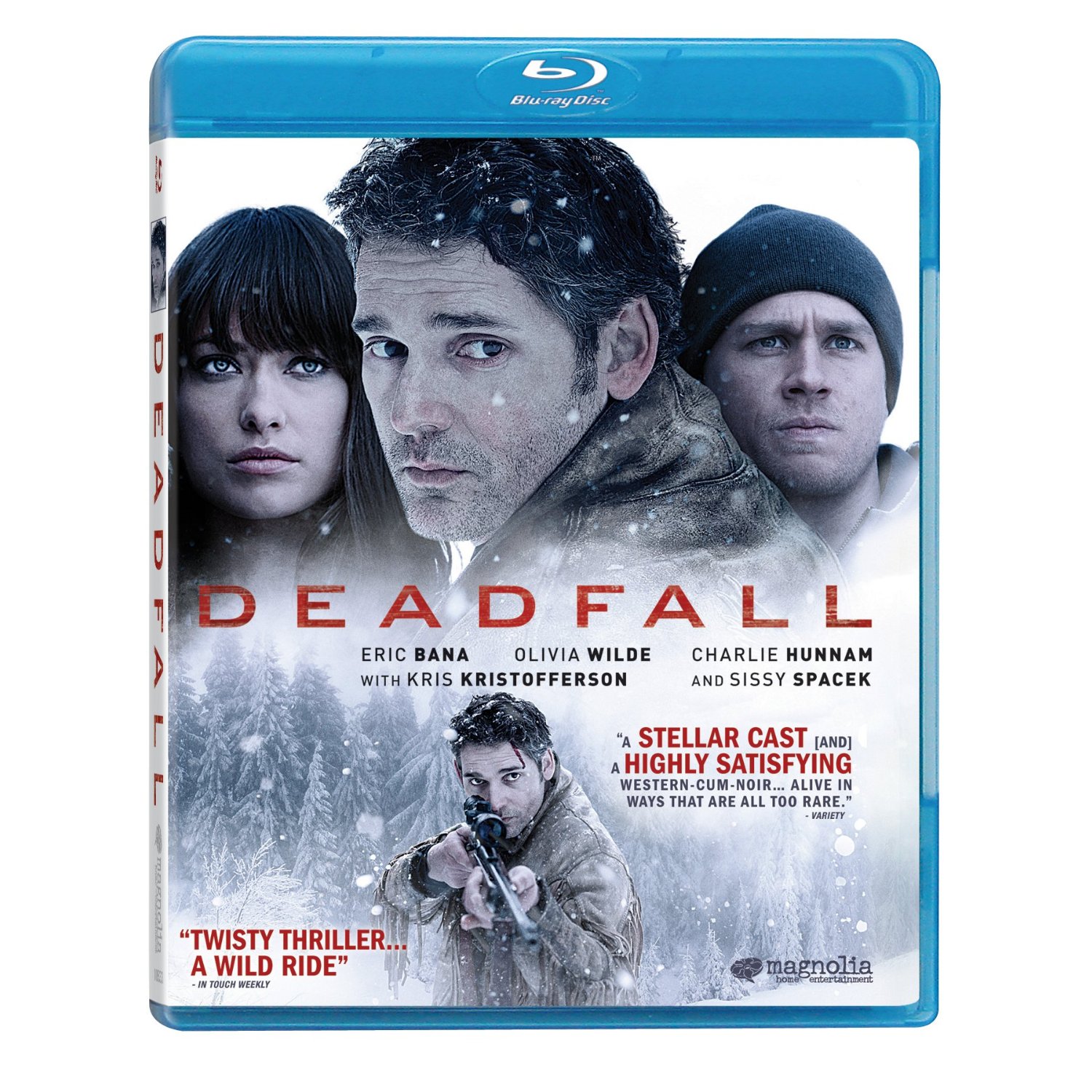
And you thought Thanksgiving dinner with your family was tense. For most of us, it doesn’t get much worse than critical parents, competitive siblings or that weird side dish no one really wants to try. (There always seems to be about a gallon of that stuff too.) Consider yourself lucky: unlike the poor souls in Deadfall, you’ve probably never been chained to the dinner table — not literally, at least — nor had a psychotic Eric Bana point a gun at your face.

On the surface, Deadfall kind of looks like the wintry crime thriller the Coen Bros. never bothered making. Addison (Eric Baan) and Liza (Olivia Wilde) are brother-sister crooks fresh off a big casino heist. One grisly car accident and a dead state trooper later, Addison decides splitting up would give them a better chance of reaching the Canadian border. Liza is picked up by Jay (Charlie Hunnam, Sons of Anarchy) a recently-paroled former boxer on his way home for an awkward Thanksgiving dinner with his retired sheriff dad (Kris Kristofferson) and his loving mom (Sissy Spacek). Everything comes to a head during the aforementioned Thanksgiving dinner.

“What’s the matter? Don’t you like role-playing?”

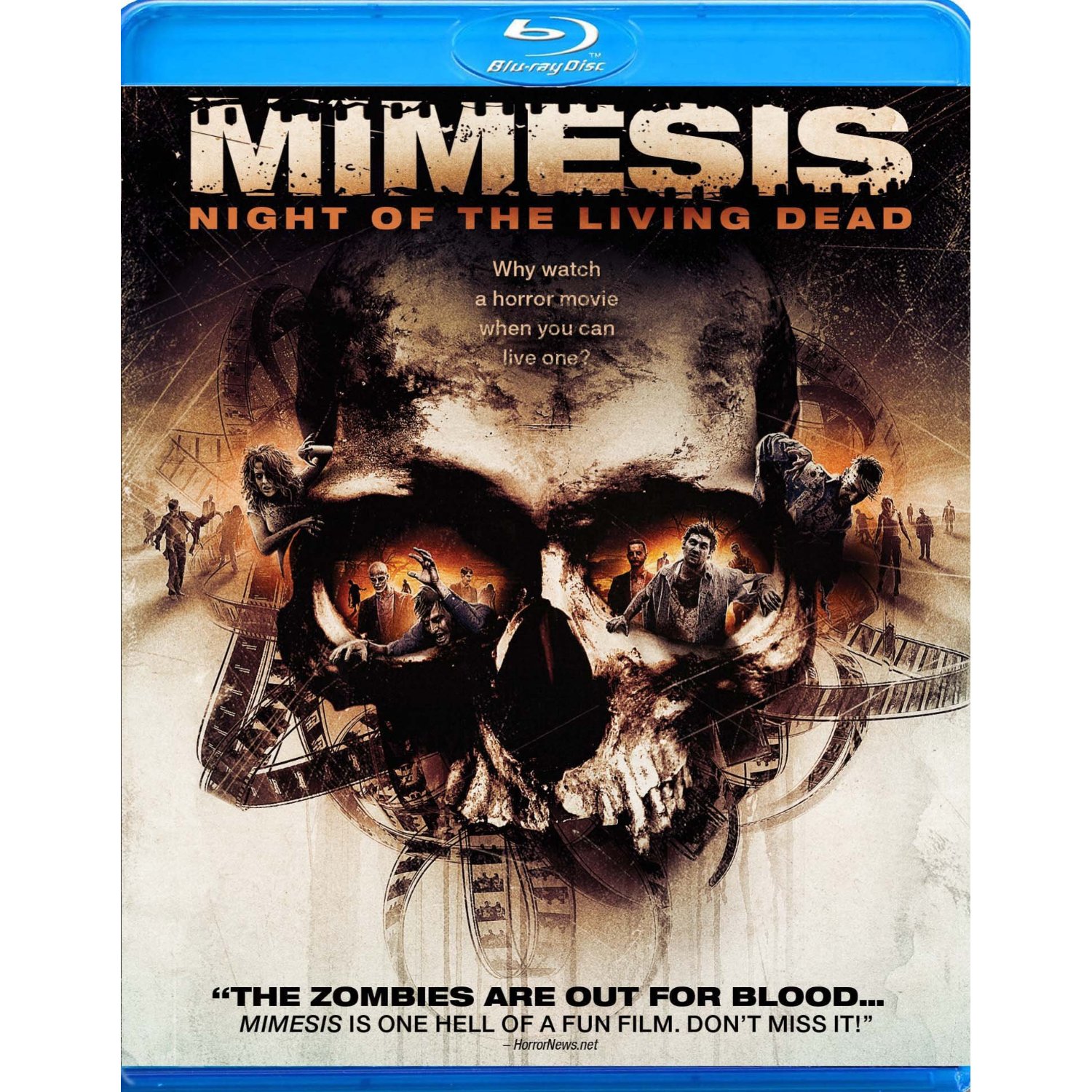
I was on the verge of writing this film off as another zombie flick hoping to capture on the popularity brought about by the AMC series The Walking Dead, but then….BAM! It brought forth a plot twist that veered it away from all other zombie movies and grabbed my attention. It was no longer a zombie film; it was much more interesting.

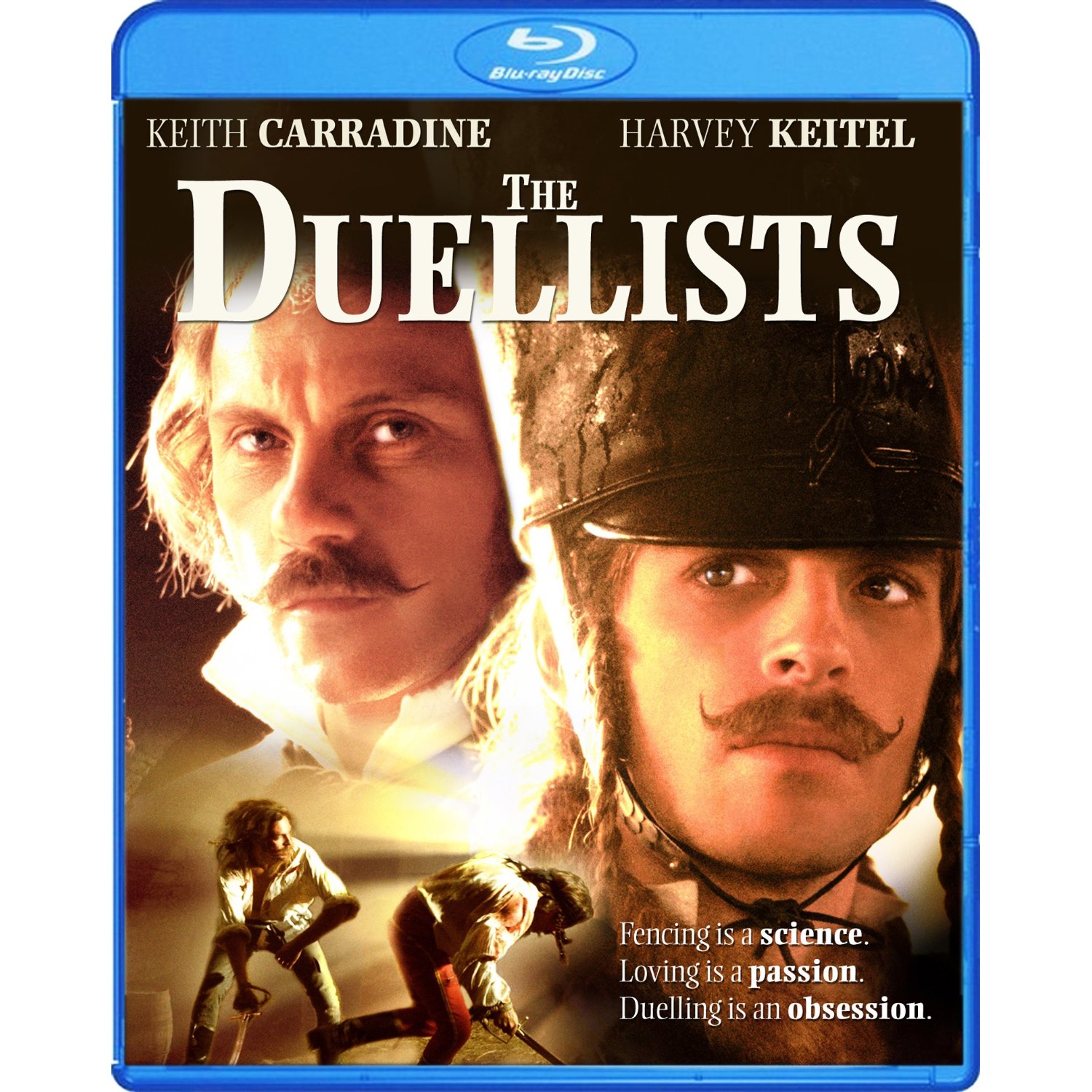
No matter how much you hated Prometheus — parts of it were startlingly dumb, but people who seriously talk about it like it’s the worst film of all time need to take a deep breath — Ridley Scott has a pretty strong case to be included on any list of Top 10 Living Directors. His work has helped redefine genres (Alien, Blade Runner, Gladiator) given us indelible images (that final still from Thelma & Louise) and even provided a few smaller-scale delights (Matchstick Men is my favorite of this group). So I’m proposing we take a quick break from trashing his last movie to discuss his very first one.

The Duellists follows a pair of officers in Napoleon’s Army during the early part of the 19th century. The film opens in Strasbourg with the mercurial Lt. Feraud (Harvey Keitel) critically injuring the mayor’s nephew during a duel. An even angrier general orders the dutiful Lt. D’Hubert (Keith Carradine) to place Feraud under arrest. Feraud is an avid duelist and thinks he did nothing wrong, so he feels insulted by D’Hubert's accusation. The fact that Feraud is with a woman when D’Hubert arrives to arrest him only adds to his embarrassment. Naturally, Feraud has no choice but to challenge D’Hubert to a duel.

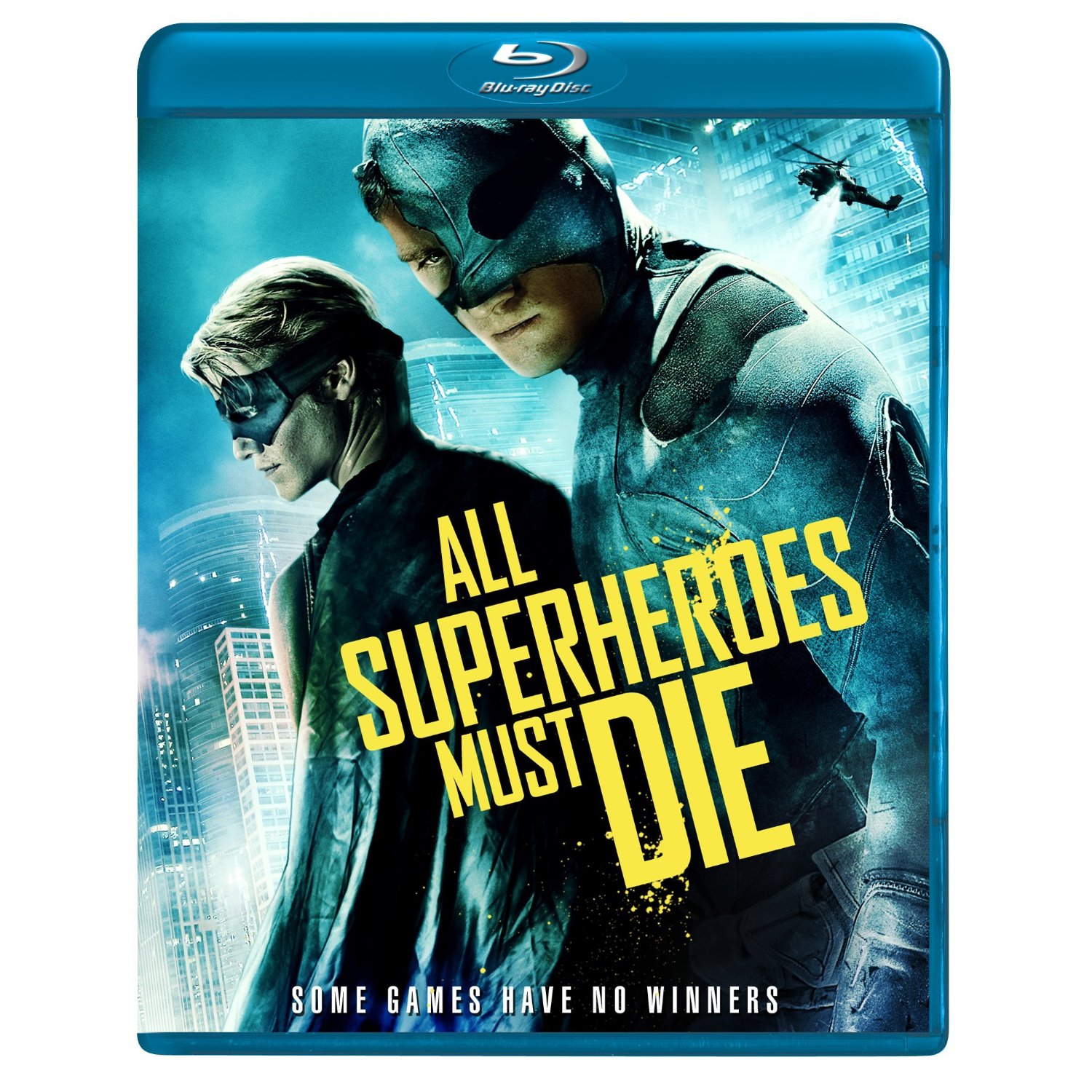
How exactly do you make a superhero movie without the powers? Answer: Have them wake up with their powers being stripped from them. All Superheroes Must Die is a superhero tale that from the title you can tell is fated not to end in the traditional way that superhero films end: with the righteous prospering and the wicked suffering. What the film title doesn’t let you know, however, is how underwhelming the film is. It does have an interesting startup, I’ll give it that. Our heroes: Charge (Jason Trost, writer/director), The Wall (Lee Valmassy, THE FP), Cutthroat (Lucas Till, X-Men First Class), and Shadow (Sophie Merkley) wake up in an abandoned town (I have to be honest; I didn’t understand many of the chosen monikers). Seeing each other comes as a shock to each of the heroes as the once-powerful unit has been separated for what the audience is forced to assume is years. Personal issues forced them apart, and now a common enemy has brought them back together: Rigshaw, a methodical sociopath with an axe to grind against the group, especially Charge, who was thought to be responsible for his supposed downfall.

Rigshaw has created a complex series of trials for the team heroes to go through, the objective for them to experience what it is like to be on the losing side for once; a series he has aptly named Role Reversal. To survive the game and save lives, the heroes will have to get past their differences and work together, but will they be able to let go of the past and work together, or will their past be the deciding factor in their destruction?

If Compliance weren’t based on true events, the film’s plot would immediately be dismissed as implausible and insulting of its audience’s intelligence. (Same with Argo.) As the story of an incredibly committed prank caller and his unwitting prey progresses, there’s a pretty good chance you’ll repeatedly roll your eyes. There’s an even better chance the eye rolling will be followed by a feeling of outrage — definitely toward the caller, but maybe even toward the gullible victims — when you remember this stuff actually happened.

Sandra (Ann Dowd) is a stressed-out manager at ChickWich, a fictional fast food restaurant. During a busy Friday shift, she receives a call from a man identifying himself as “Officer Daniels” (Pat Healy), who claims one of Sandra’s employees stole money from a customer. Officer Daniels convinces Sandra to interrogate teenage cashier Becky (Dreama Walker) in the restaurant’s back room. What follows is a slow and steady stream of humiliations for Becky as Sandra instructs her employees — and eventually her fiancé, Van (Bill Camp) — to follow the officer’s increasingly bizarre instructions.

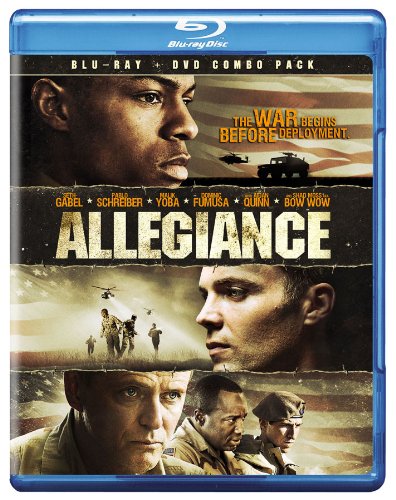
What do you do when you have to choose between the law and what is morally right? Lieutenant Danny Sefton (Seth Gabel, TV’s Dirty Sexy Money and Fringe) faces that very problem in Allegiance. Having lost the respect of the men in his command by transferring to a recruiting position right before they are to deploy to Iraq, Sefton faces a crisis of conscience when one of those men — Specialist Chris Reyes (Shad “Bow Wow” Moss, Like Mike, Roll Bounce) — has his non-deployment waiver revoked.

Reyes’ son is sick. However, due to conflicting diagnoses — one says Stage 4 lung cancer; the other chronic asthma — and the fact that he’s the best medic in the company (and they don’t have a replacement), Lieutenant Colonel Owens (Aidan Quinn, Jonah Hex, TV’s Elementary) decides to deploy Reyes. Having exhausted all his options, Reyes tells Sefton he intends to go AWOL and asks for Sefton’s help.

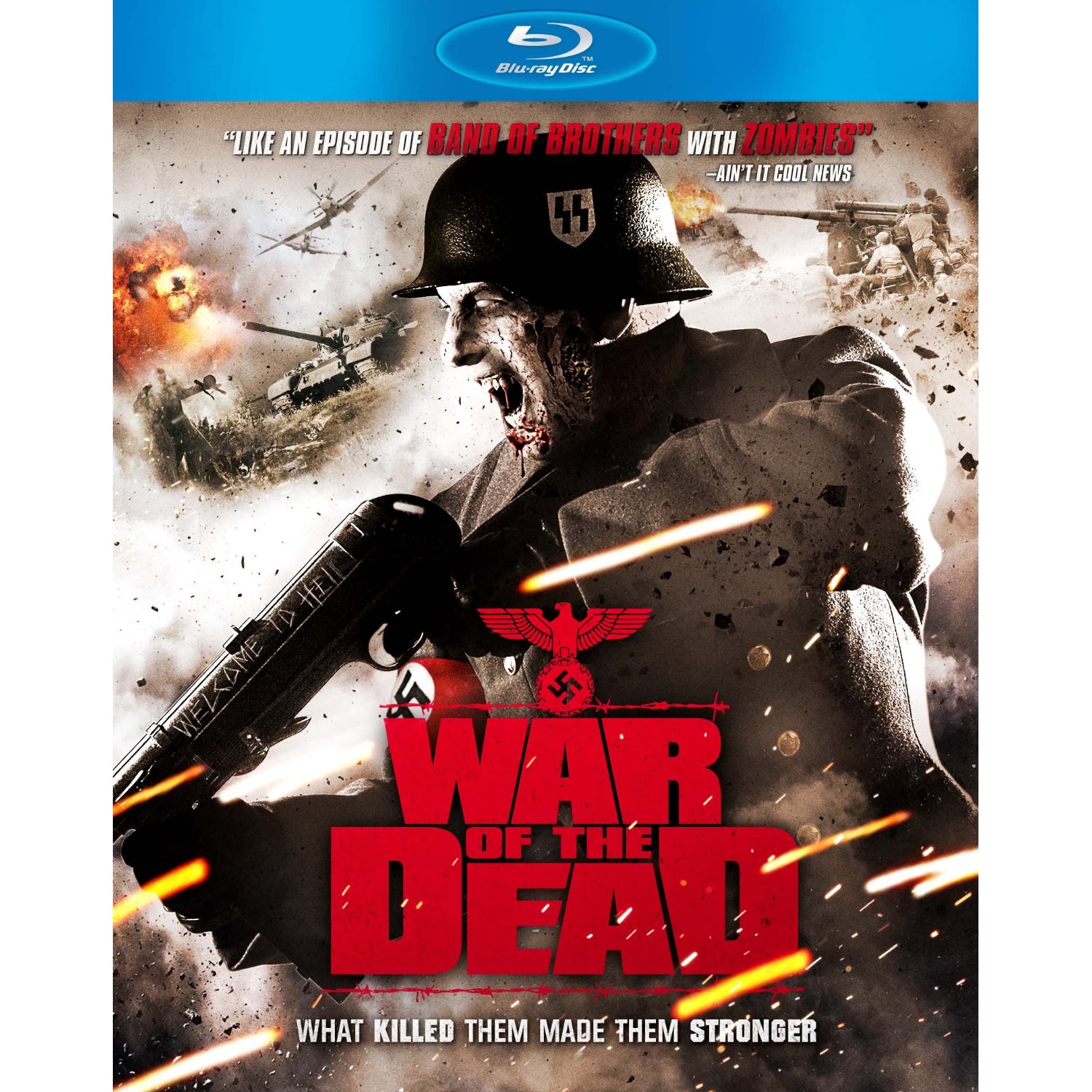
As The Walking Dead continues to smash ratings records (while compulsively changing showrunners, no less) and Summit Entertainment — the studio behind The Twilight Saga — prepares to throw its considerable marketing muscle behind February’s zombie rom-com Warm Bodies, it’s fair to say the shambling undead are having a major pop culture moment. Yes, zombies are hot right now, but a curious subgenre has already endured for many decades: I’m talking about the zombie Nazi movie.

From Shock Waves and Zombie Lake in the 1970s and 80s to recent examples like Dead Snow and this year's Outpost: Black Sun, filmmakers have delighted in mashing up one of history’s most infamous real-life group of monsters with one of cinema’s most popular terrors for decades. Though they’ve been enjoyable to varying degrees, the subgenre is yet to produce a classic film in the vein of George A. Romero’s work or even something that made a notable pop culture impact like Zombieland or Shaun of the Dead. I’m sorry to say War of the Dead won’t be the first.